

The Neuroscience of Habits: Why Your Brain is Wired to Resist Change (And How to Fix It)
We have all been there: the burst of New Year’s inspiration that fizzles out by February, or the ambitious workout plan that is abandoned after three days.
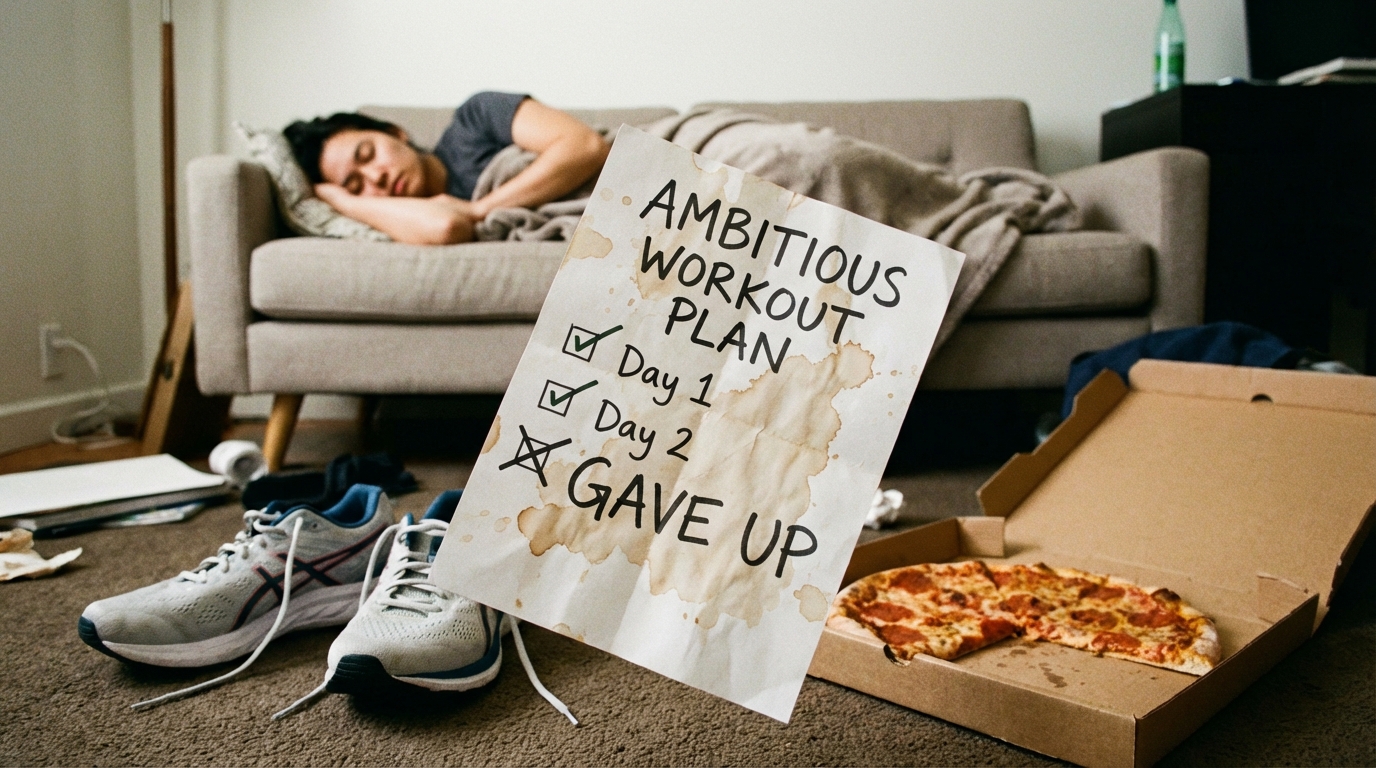
Usually, we blame a lack of willpower or a personal "moral failing." But according to the latest research in neuroscience, the problem isn’t your character—it’s your wiring.
Understanding the neurological and psychological mechanics of your brain is the first step toward finally making change stick.
1. The Survival-Obsessed Brain: Your Internal Autopilot
The human nervous system is an ancient, survival-focused mechanism. Its primary directive is simple: keep you alive. To conserve energy and ensure safety, your brain operates on a subconscious "automatic pilot" that controls a staggering 90% of your daily actions.
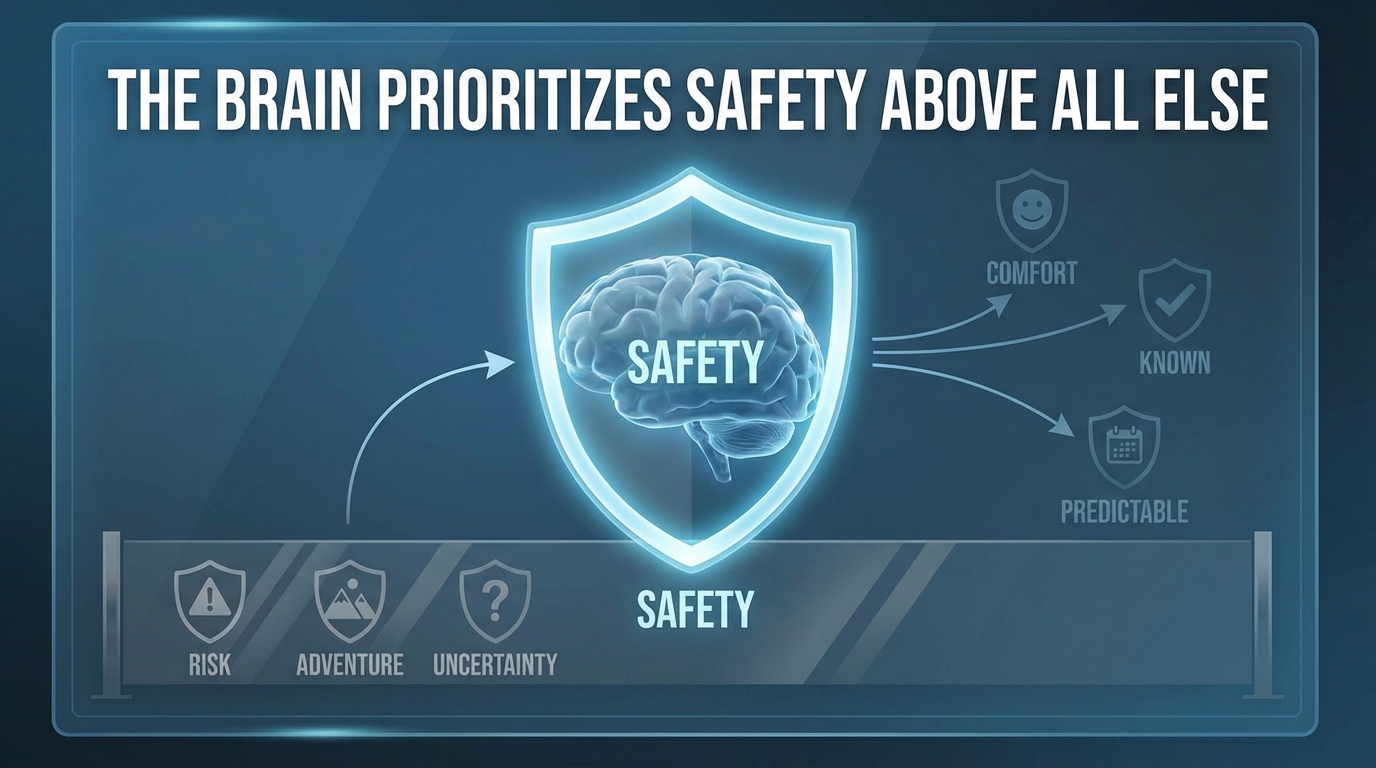
Because the brain prioritizes safety above all else, it follows two rules that often sabotage our modern goals:
- Resistance to Change: New habits are energy-intensive and uncomfortable. Your brain perceives this unfamiliarity as a danger signal and attempts to pull you back to familiar, "safe" patterns.
- The Comfort of the Familiar: Your brain doesn't distinguish between a "good" habit (meditation) and a "bad" habit (scrolling social media for hours); it simply seeks what is predictable and easy.
2. The Motivation Trap: Why "Feeling Like It" is a Lie
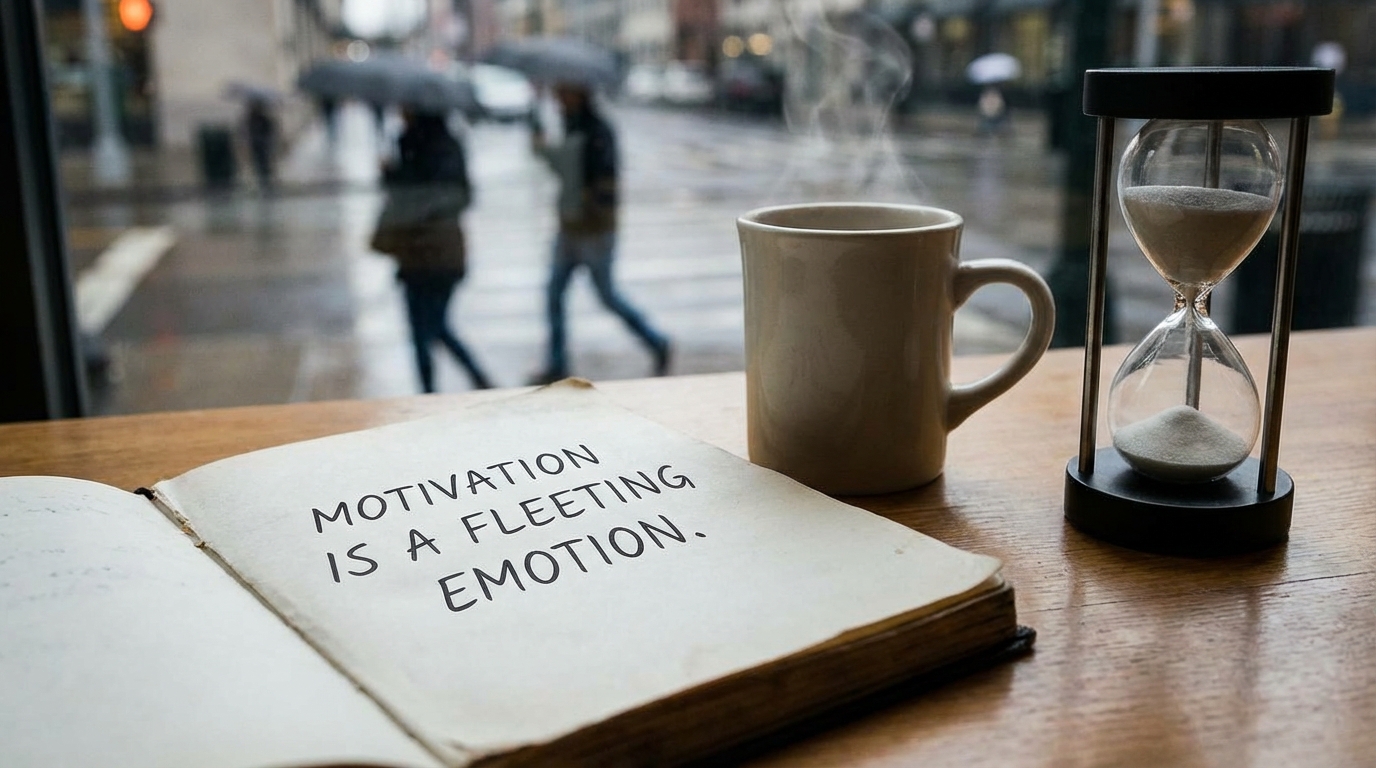
We often wait to feel motivated before we start a new behavior. However, neuroscience tells us that motivation is a "total flake" and a terrible business partner. It is a fleeting emotion, not a reliable strategy.
- Action over Feeling: Neurologically, action creates motivation, not the other way around. Once you begin, the brain’s reward centers engage.
- The Tortoise Strategy: Success doesn't come from bursts of enthusiastic energy. Like the tortoise in the fable, it comes from a system of small, repeatable steps.
3. Identity-Based Habits: Rewiring the Root
A profound shift in habit formation involves moving away from goal-oriented outcomes (like "I want to lose 10 lbs") and focusing instead on identity.

- The "I Am" Vote: Every time you use an "I am" statement, you are casting a vote for the person you want to become.
- Changing the Language: By saying "I am a person who nourishes my body" instead of "I am trying to go on a diet," your brain starts to accept this new identity as "just who we are now." When the identity changes, the desired outcomes follow naturally.
4. The Practical Tools: Habit Chaining and the "Rule of Three"
To bypass the brain's "danger signal" and stop it from hitting the panic button, you must make change feel safe.
- Habit Chaining: This involves linking small actions together to create a rhythm. By "stacking" a new behavior onto an existing one, you utilize the neural pathways already burned into your brain.
- The Rule of Three: To avoid overwhelming the nervous system, bundle only three small actions together in a chain.
- The Morning Chain: Naturopathic Doctor Rachel Smartt utilizes this by creating a simple chain—such as meditation, journaling, and a few minutes of quiet reflection—that centers the nervous system for the day.

The "BFF" Hack: Your Emergency Reset
When you feel stressed and the old, "safe" (but unhealthy) patterns start pulling you back, use the BFF Hack to interrupt the spiral:
- Breathe: Take three deep breaths to calm your nervous system.
- Find your feet: Literally feel your feet on the floor to ground yourself in the present moment.
- Focus forward: Repeat a powerful "I am" statement to remind your brain of your new identity.
A Message for Your Journey
Real, lasting change doesn’t happen when you "hustle harder" or push through resistance with brute force. It happens when you finally make yourself feel safe, supported, and understood.
If you are ready to rise strong with a new mindset, please reach out to Helene Matthews (858.208.5109). She can provide direct contact with Naturopathic Doctor Rachel Smartt for those seeking deeper clinical guidance.
Take action today. Celebrate progress over perfection.
.jpeg)
.png)


.png)