

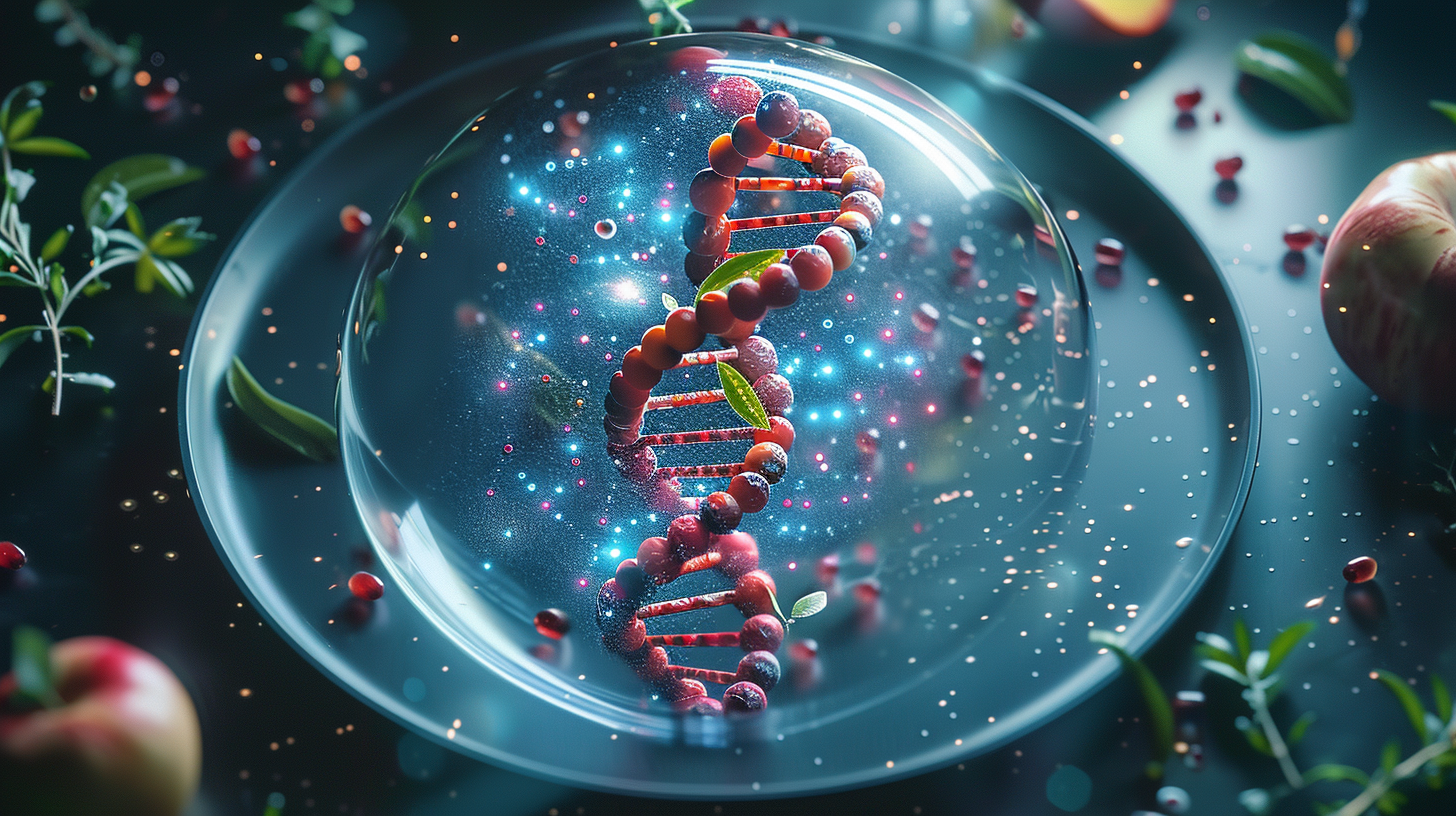
Curious about how your genes influence your response to food? Nutrigenomics explores the interaction between your genetic makeup and the nutrients you consume.
This exciting field delves into how your genes impact your body's ability to process and utilize different foods, ultimately shaping your overall health and well-being.
By studying how specific genetic variations influence individual responses to nutrients, researchers are uncovering insights that can lead to personalized dietary recommendations tailored to your unique genetic profile.
Nutrigenomics offers a promising avenue for understanding the intricate relationship between genetics and nutrition, with potential implications for improving health outcomes and optimizing dietary choices.
Article Highlights
Key Takeaways
- Nutrigenomics explores the interaction between genetic makeup and nutrients.
- It offers personalized dietary recommendations based on genetic profile.
- Nutrigenomics delves into nutrient-gene interactions and how genetic composition influences nutrient processing and utilization.
- Personalized nutrition based on genetic variations can improve nutrient absorption, prevent deficiencies, and optimize health outcomes.
Understanding Nutrigenomics
To understand nutrigenomics, you need to grasp the impact of your individual genetic makeup on your body's response to nutrients. Nutrigenomics delves into the intricate nutrient gene interactions and how dietary influences can shape these processes.

Your unique genetic composition influences how your body processes and utilizes nutrients from the foods you consume. Certain genetic variations can affect how efficiently your body metabolizes specific nutrients, impacting your nutritional requirements.
By understanding these interactions, you can tailor your dietary choices to better suit your genetic predispositions, potentially optimizing your health and well-being.
Nutrigenomics empowers you to make informed decisions about your diet based on your genetic profile, offering a personalized approach to nutrition that takes into account your individual genetic makeup and its effects on nutrient metabolism.
Applications in Health and Nutrition
Your unique genetic makeup influences how your body responds to nutrients, allowing you to tailor your nutritional choices to optimize your health and well-being.
Nutrient gene interactions play a crucial role in dietary genomics research, as they help identify how specific genes influence the body's response to nutrients.
By understanding these interactions, personalized dietary recommendations can be made based on an individual's genetic profile. This can lead to more effective nutrition interventions, helping to prevent diet-related diseases and promote overall well-being.
For example, individuals with certain genetic variations may require different levels of specific nutrients, such as vitamin D or omega-3 fatty acids, to maintain optimal health.
With advancements in nutrigenomics, a deeper understanding of how genetics impacts nutrition can lead to personalized dietary recommendations that are tailored to an individual's genetic predispositions and metabolic needs.
Genetic Variations and Nutrient Response
How do genetic variations influence your body's response to nutrients?
Genetic variations can significantly impact how your body processes and utilizes nutrients. Through genetic testing, it's possible to identify specific genetic variations that affect your metabolism, absorption, and utilization of nutrients. This information can be used to personalize your nutrition, tailoring dietary recommendations to better suit your genetic makeup.
By understanding your genetic predispositions, you can optimize your nutrient intake to match your body's specific needs. This personalized approach to nutrition can help improve nutrient absorption, prevent potential deficiencies, and promote overall health and well-being.
Genetic variations play a crucial role in determining how your body responds to different nutrients, and personalized nutrition based on genetic testing can be a powerful tool in optimizing your dietary choices.
Personalized Dietary Recommendations

Tailoring your dietary choices based on genetic testing can optimize your nutrient intake to match your body's specific needs. Genetic testing allows for a personalized approach to dietary analysis, taking into account your unique genetic makeup to determine how your body responds to certain nutrients.
By understanding your genetic variations, you can receive tailored dietary recommendations that consider factors such as nutrient metabolism, absorption, and utilization. This personalized approach can help you make more informed decisions about your food choices, potentially improving your overall health and well-being.
For example, individuals with variations in genes related to vitamin metabolism may benefit from specific dietary adjustments to ensure adequate nutrient levels. Ultimately, personalized dietary recommendations based on genetic testing can empower you to make targeted choices that support your individual nutritional requirements.
Nutrigenomics and Health Outcomes
By understanding your genetic variations, you can optimize your nutrient intake to match your body's specific needs, ultimately impacting your health outcomes. Nutrigenomics research focuses on how diet gene interactions influence individual health.
Through personalized dietary recommendations based on genetic profiles, nutrigenomics aims to improve health outcomes by tailoring dietary choices to an individual's unique genetic makeup. This personalized approach allows for a deeper understanding of how specific nutrients affect gene expression, metabolism, and overall health.
Frequently Asked Questions
How Does Nutrigenomics Impact the Taste Preferences of an Individual?
Nutrigenomics impacts taste preferences by revealing how genetics influence your response to flavors. It can affect how you perceive sweetness, bitterness, and other tastes in food.
Genetic variations can also impact your nutrient absorption, which may influence your body's response to certain foods.
Additionally, meal timing can play a role in how your genes respond to food, affecting your taste preferences and overall health.
Can Nutrigenomics Be Used to Determine the Ideal Timing of Meals for Optimal Nutrient Absorption?
You can use nutrigenomics to determine the ideal timing of meals for optimal nutrient absorption.
Genetic variation can impact how your body processes nutrients, influencing when your body is best able to absorb them.
By understanding your genetic makeup, you can tailor your meal timing to maximize nutrient absorption.
Additionally, considering taste preferences in meal planning can make it easier to stick to a nutrient-rich eating schedule that suits your genetic profile.
Are There Any Ethical Concerns Surrounding the Use of Nutrigenomics in Personalized Dietary Recommendations?
When it comes to nutrigenomics, ethical considerations are crucial. Protecting genetic privacy and ensuring fair access to personalized dietary recommendations are essential.

Social implications and healthcare disparities must be carefully considered. It's important to address any potential misuse of genetic information and to promote equity in access to nutrigenomic testing and personalized dietary advice.
Balancing the benefits of nutrigenomics with these ethical concerns is a key challenge in this field.
Can Nutrigenomics Help in the Development of Personalized Exercise and Fitness Plans?
Looking to revamp your fitness routine? With personalized training based on genetic variations, nutrigenomics can optimize nutrient utilization and exercise efficiency.
By tailoring exercise and fitness plans to your unique genetic makeup, you can achieve better results and maximize your potential. Imagine a workout plan designed specifically for your body's needs, helping you reach your fitness goals more effectively.
Nutrigenomics opens up a world of possibilities for customized fitness strategies.
Is There a Relationship Between Nutrigenomics and Mental Health Disorders Such as Depression and Anxiety?
Yes, nutrigenomics research suggests a link between mental health disorders like depression and anxiety and genetic predisposition. It explores how nutrients interact with specific genes, affecting mental health.
This understanding can lead to personalized treatment plans tailored to an individual's genetic makeup, potentially improving mental health outcomes.
Nutrigenomics offers a promising avenue for addressing mental health concerns by considering the unique genetic and nutritional factors influencing mental well-being.
Conclusion
So, next time you sit down for a meal, remember that your genes are like a unique recipe book, guiding your body's response to nutrients. Just as a tailor customizes clothing to fit your body, nutrigenomics tailors dietary recommendations to fit your genetic makeup.

It's like a personalized roadmap for your health, ensuring that you're fueling your body in the most effective way possible.
Embrace the power of nutrigenomics and unlock the potential for optimal health and well-being.
Statistics
- By understanding this link, individuals can make dietary choices that positively influence their gene expression.
- With this knowledge, individuals can make dietary changes that improve overall health and well-being.
- Through nutrigenomics, scientists have discovered that diet can affect gene expression, meaning certain foods can turn genes on or off.
- Nutrigenomics can help individuals identify whether they have specific genetic predispositions that would benefit from certain dietary adjustments.
- Research in nutrigenomics has shown that certain genetic variations can influence how our bodies respond to different nutrients.
- Nutrigenomics has the potential to revolutionize the field of nutrition and improve public health.
- Genetic testing can identify these variations and provide personalized recommendations for dietary modifications.
- By adopting a nutrigenomic approach, individuals can make informed choices about their diet and lifestyle.
- As technology continues to advance, nutrigenomics will become more accessible and affordable for individuals to use in their healthcare journey.
- Nutrigenomics aims to help individuals optimize their health by tailoring their diets to their specific genetic makeup.
External Links
- Nature Reviews Genetics: Nutrigenomics - Linking Genotype to Healthy Nutrition - This review article discusses the role of nutrigenomics in linking genotype to healthy nutrition.
- Nature Reviews: Nutrigenomics and Personalized Nutrition - This review article discusses the current state of nutrigenomics research and its potential for personalized nutrition.
- NCBI: Nutrigenomics - An Overview - This article provides an overview of nutrigenomics and its implications for personalized nutrition.
- Nature Genetics: Nutrigenomics of Lipid Metabolism - This research article explores the role of nutrigenomics in understanding lipid metabolism and its relevance to human health.
- Journal of Nutritional Biochemistry - This journal focuses on the biochemistry of nutrition and includes research articles on nutrigenomics.
- MDPI: Nutrigenomics - MDPI (Multidisciplinary Digital Publishing Institute) has a collection of open-access articles on nutrigenomics.
- Frontiers in Nutrition - This journal publishes research on various aspects of nutrition, including nutrigenomics.
- Molecular Aspects of Medicine - This journal covers various aspects of medicine, including molecular aspects of nutrition and nutrigenomics.
- Pharmacological Research - This journal publishes research on the pharmacology of medicine, including studies on nutrigenomics.
- Journal of Nutritional Biochemistry: Nutrigenomics - Opportunities in Asia - This article highlights nutrigenomics opportunities in Asia, focusing on the application of personalized nutrition.
How To
How to Understand Nutrigenomics
Understanding nutrigenomics begins with recognizing the intricate relationship between our genes and nutrition. Nutrigenomics studies how different foods and nutrients can interact with our genetic makeup, influencing our health and well-being. By unraveling this connection, nutrigenomics offers personalized dietary recommendations based on an individual's unique genetic profile.

.jpeg)
.png)

.png)