


When you cook at home, you hold the key to unlocking a healthier lifestyle. The health benefits of cooking at home are numerous and impactful.
From having control over the ingredients you use to managing portion sizes, cooking at home empowers you to make healthier choices. By preparing your own meals, you can reduce your intake of unhealthy fats, sugars, and processed foods, leading to lower calorie consumption and decreased risks of chronic diseases.
Additionally, cooking at home allows you to cater to any food allergies and sensitivities, promoting overall well-being. Embracing the art of cooking in your own kitchen can lead to improved nutrition, better mental health, and a happier, healthier you.
Article Highlights
Key Takeaways
- Cooking at home allows for greater control over ingredients and promotes balanced meals.
- Portion control is easier to manage when cooking at home, leading to mindful eating and a balanced diet.
- Using fresh ingredients enhances flavors and provides essential nutrients.
- Cooking at home can help reduce calorie intake, lower the risk of chronic diseases, and manage food allergies.
Nutrition Benefits
If you frequently cook at home, you're more likely to consume nutritious and balanced meals that support your overall health and well-being.
Meal planning plays a crucial role in ensuring that your meals are well-balanced and provide essential nutrients. By preparing meals at home, you have greater control over the ingredients, allowing you to incorporate a variety of food groups to create balanced meals.
This can help you meet your nutritional needs, including the right balance of carbohydrates, proteins, fats, vitamins, and minerals. Planning your meals in advance also enables you to make healthier choices and avoid relying on convenience foods that may be high in unhealthy fats, sugar, and sodium.
Ultimately, cooking at home and prioritizing balanced meals positively impacts your nutrition and overall well-being.
Portion Control Advantages
Curious about how cooking at home can help you manage portion control?
When you cook at home, you have more control over the ingredients and serving sizes, promoting mindful eating and a balanced diet.
By preparing your meals, you can avoid oversized portions commonly served in restaurants and fast-food chains. This enables you to be more mindful of the quantities you consume, which is crucial for maintaining a healthy weight and preventing overeating.
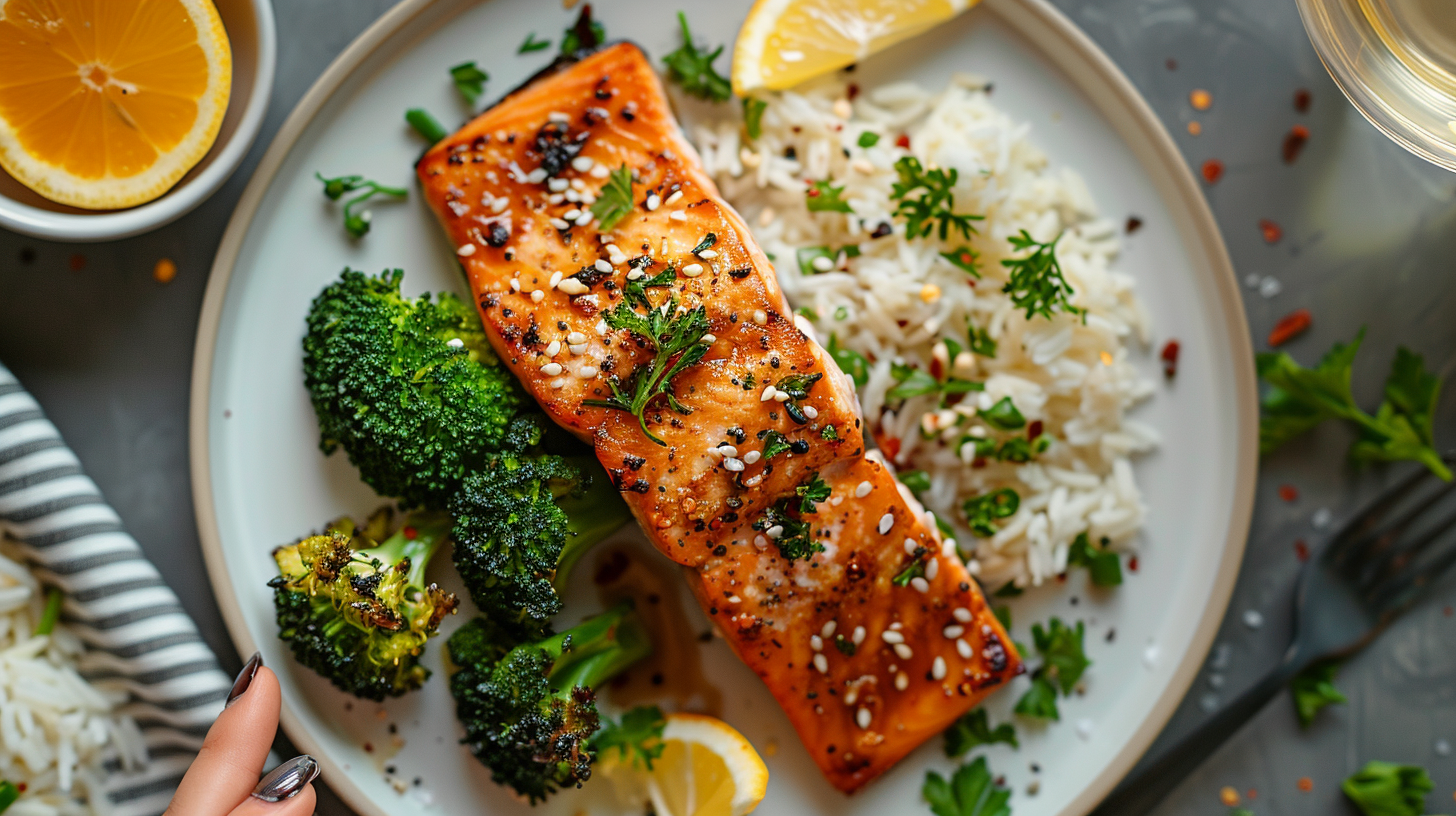
Additionally, cooking at home allows you to use healthier cooking methods and choose nutritious, whole ingredients, contributing to a more balanced diet.
Research shows that individuals who cook at home tend to consume fewer calories, fat, and sugar compared to those who frequently eat out.
Taking charge of your portion sizes through home cooking supports your overall health and well-being.
Fresh Ingredients Impact
When using fresh, high-quality ingredients, your home-cooked meals can offer an abundance of essential nutrients and vibrant flavors, elevating the overall health benefits of your diet.

Flavor enhancement plays a crucial role in utilizing fresh ingredients. Cooking techniques such as grilling, roasting, or steaming can intensify the natural flavors of fresh produce, meats, and seafood, resulting in delicious and wholesome meals.
Additionally, incorporating fresh herbs and spices can further enhance the taste profile of your dishes without relying on excessive salt or unhealthy seasonings.
Furthermore, utilizing fresh ingredients can contribute to time-saving meal planning. By preparing and organizing fresh ingredients in advance, you can streamline the cooking process and ensure that you have readily available components for creating quick, nutritious, and satisfying meals.
Lower Calorie Intake Effects
To reduce your calorie intake, prioritize incorporating lean proteins, whole grains, and plenty of vegetables into your home-cooked meals.
Lean proteins like chicken, turkey, fish, and plant-based options aren't only lower in calories but also provide essential nutrients.
Whole grains such as quinoa, brown rice, and whole-wheat pasta offer fiber and nutrients, keeping you full for longer.
Additionally, vegetables not only add essential vitamins and minerals but also bulk and fiber to your meals, promoting satiety.
By cooking at home, you have full control over the ingredients, allowing you to limit added fats, sugars, and excessive salt commonly found in restaurant meals.
This approach supports flavor enhancement and taste satisfaction through the use of herbs, spices, and healthier cooking methods.
Moreover, cooking at home can lead to improved cooking skills and culinary creativity, making it easier to prepare delicious, lower-calorie meals.
Reduced Chronic Disease Risks
Reducing chronic disease risks can be achieved by consistently preparing and consuming nutritious meals at home. Cooking at home allows you to have better control over the ingredients and cooking methods, which can lead to lower intake of unhealthy fats, sugars, and sodium. This, in turn, can help in reducing the risk of chronic diseases such as heart disease, diabetes, and obesity.
Additionally, eating home-cooked meals can contribute to reduced stress levels. Research suggests that individuals who frequently cook at home are more likely to have lower levels of stress and better mental well-being.
Furthermore, home-cooked meals are often easier on the digestive system, leading to improved digestion. By reducing the consumption of processed foods and incorporating more whole, nutritious ingredients into your meals, you can significantly lower your risk of chronic diseases and improve your overall health.
Control Over Food Allergies

By cooking at home, you can have greater control over the ingredients in your meals, which may help in managing and avoiding food allergies. Ingredient awareness is crucial as it allows you to carefully select and monitor the components of your meals, reducing the risk of allergen exposure.
Additionally, you can make recipe modifications to substitute allergenic ingredients with safer alternatives, customizing meals to suit your specific dietary needs. This level of control enables you to effectively manage your food allergies, minimizing the chances of accidental ingestion of allergens.
Mental Health Improvements
Taking charge of your mental well-being can be achieved through cooking at home, promoting mindfulness, and reducing stress.
Research shows that engaging in the process of preparing meals can act as a form of meditation, helping to reduce stress levels and promote relaxation. The act of focusing on the present moment, such as chopping vegetables or stirring a simmering pot, can promote mindfulness, which has been associated with mood enhancement and reduced symptoms of anxiety and depression.
Additionally, the nutritional quality of home-cooked meals, with a focus on fresh, whole ingredients, can have a positive impact on mental health. Consuming a diet rich in fruits, vegetables, and lean proteins has been linked to lower rates of depression and anxiety, further emphasizing the importance of cooking at home for mental well-being.
Frequently Asked Questions
Are There Any Potential Downsides or Disadvantages to Cooking at Home?
Cooking at home has some drawbacks, like time constraints and the challenge of meal planning. It can lead to social isolation if you're not mindful of inviting others over.
However, the mental health benefits of cooking can outweigh these challenges. Engaging in meal preparation can be a mindful, stress-relieving activity. It also allows for greater control over ingredients, supporting healthier eating habits.
How Can Cooking at Home Help to Improve Family Dynamics and Relationships?
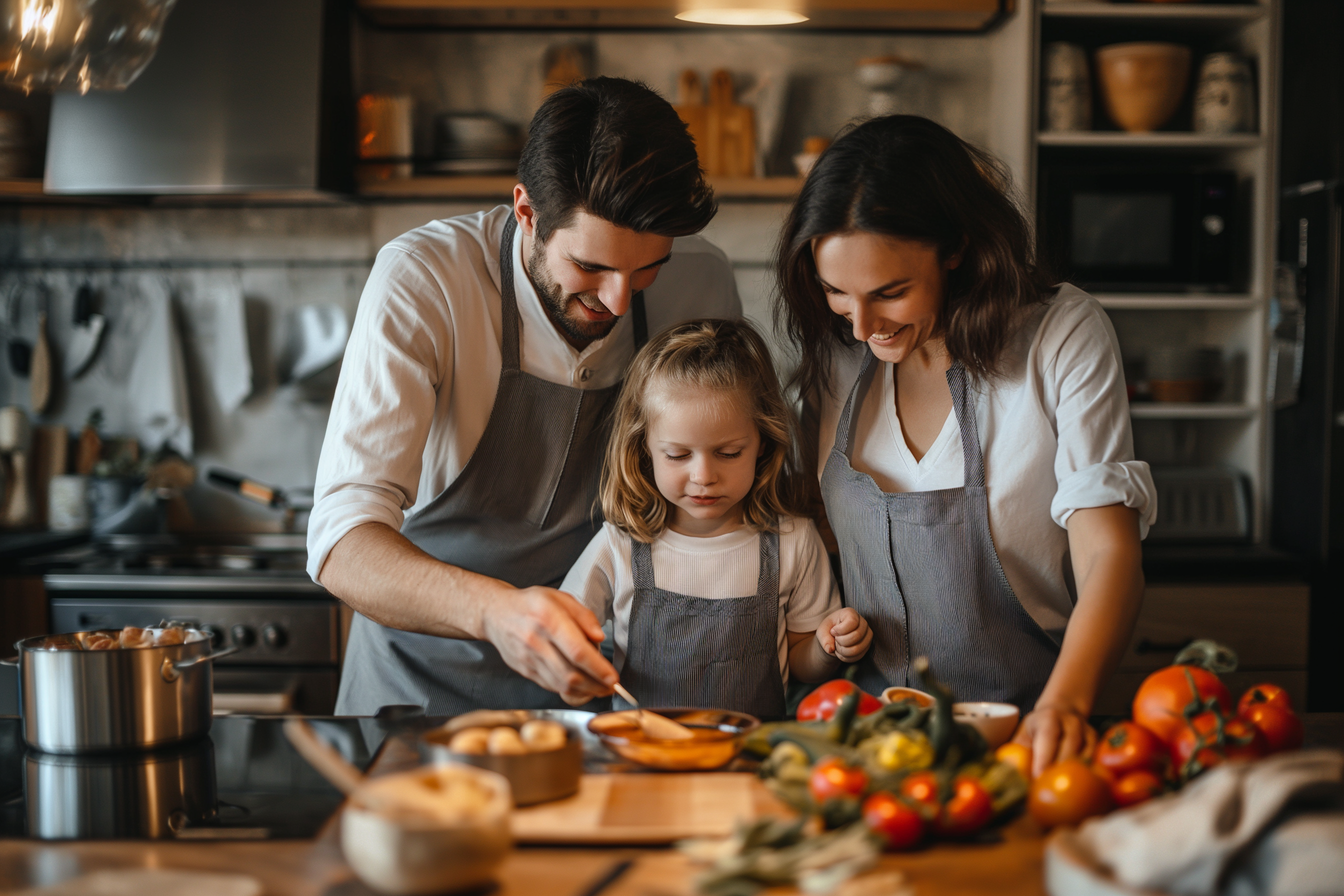
Cooking at home can be like a team-building exercise. It's a chance for everyone to work together, share stories, and improve communication. When you prepare meals as a family, it fosters teamwork and strengthens relationships.
The act of cooking provides an opportunity for open dialogue and collaboration, ultimately bringing family members closer together. These positive interactions can have a ripple effect, creating a more harmonious and connected family dynamic.
What Are Some Tips for Making Cooking at Home More Convenient and Time-Efficient?
To save time on meal prep, try these strategies:
- Batch cooking staple ingredients like rice or quinoa.
- Organize your kitchen by grouping items according to their use, making it easier to find what you need.
- Use time-saving appliances such as a slow cooker or instant pot.
- Plan meals in advance and prepare ingredients ahead of time.
These tips can streamline the cooking process, making it more convenient and time-efficient.
Can Cooking at Home Help Save Money on Groceries and Food Expenses?

Cooking at home can definitely help you save money on groceries and food expenses. By meal planning and using cost-effective recipes, you can stick to your grocery budget and avoid overspending on takeout or dining out.
This adage holds true: 'A penny saved is a penny earned.' With a little effort, you can enjoy delicious, nutritious meals while keeping more money in your pocket.
Are There Any Specific Cooking Techniques or Methods That Can Maximize the Health Benefits of Home-Cooked Meals?
When it comes to maximizing the health benefits of home-cooked meals, specific cooking techniques and methods can make a difference. Techniques like steaming and grilling help retain nutrients in the food, while using herbs and spices can enhance flavor without adding extra calories. These methods not only contribute to healthier meals but also make the dishes delicious.
Conclusion
In conclusion, cooking at home offers a plethora of health benefits, like a garden blooming with nutritious possibilities.
By taking control of your ingredients and portion sizes, you can improve your nutrition, reduce your risk of chronic diseases, and even manage food allergies.
The mental health benefits of cooking at home are also significant, making it a practical and evidence-based choice for a healthier lifestyle.
Statistics
- By cooking at home, you can reduce your reliance on processed and packaged foods, which are often high in unhealthy fats and additives.
- Cooking your own meals can save you money compared to dining out at restaurants.
- When you cook at home, you can experiment with different flavors and ingredients, expanding your culinary horizons.
- Cooking at home can lead to a healthier lifestyle by allowing you to choose fresh and nutritious ingredients.
- When you cook at home, you can tailor your meals to accommodate any dietary restrictions or food allergies.
- Preparing meals at home can lead to a greater appreciation for the food you eat and where it comes from.
- Cooking at home allows you to reduce food waste by using up ingredients in your pantry and refrigerator.
- One of the health benefits of cooking at home is that it can promote family bonding and togetherness.
- When you cook at home, you have the freedom to customize your meals to suit your personal tastes and preferences.
- When you cook at home, you can decrease your consumption of fast food and takeout, which tend to be higher in calories and less nutritious.
External Links
- Nutrition.gov - Eating at Home: Nutrition.gov highlights the advantages of cooking and eating at home, including improved nutrition and better control over ingredients.
- Academy of Nutrition and Dietetics - The Health Benefits of Home Cooking: The Academy of Nutrition and Dietetics explains the advantages of cooking at home, such as improved nutrient intake and greater awareness of portion sizes.
- Harvard T.H. Chan School of Public Health - The Healthy Eating Plate: Learn about the principles of healthy eating and the benefits of cooking at home from Harvard's renowned nutrition experts.
- PubMed Central - Association between Home-Cooked Meals and Glycemic Control in Type 2 Diabetes: This study explores the positive impact of home-cooked meals on glycemic control in individuals with type 2 diabetes.
- Real Simple - 8 Benefits of Cooking for Yourself: Real Simple highlights the benefits of cooking for yourself, including improved nutrition and the opportunity to embrace creativity in the kitchen.
- HuffPost - The Health Benefits of Cooking Your Own Meals: HuffPost highlights the various health benefits associated with cooking meals at home, including weight management and improved mental well-being.
- Healthline - 7 Science-Based Benefits of Home-Cooked Meals: Healthline explores the scientific evidence behind the positive impact of home-cooked meals on health, including weight management and improved diet quality.
- NPR - Cooking for One: A Seasoned Chef's Revolutionary Take on Loneliness: Discover how cooking at home can have emotional and social benefits, as discussed by renowned chef and author Jacques Pépin.
- Food Network - 5 Health Benefits of Cooking from Scratch: The Food Network explores the health benefits of cooking meals from scratch, including the ability to control ingredients and flavors.
- Verywell Fit - The Pros of Cooking at Home: Verywell Fit outlines the numerous benefits of cooking at home, such as increased nutrient intake and better control over food allergies or intolerances.
How To
How to Stay Motivated to Cook at Home
1. Set goals: Establish goals for cooking at home, such as preparing a certain number of meals per week or trying new recipes.
2. Create a pleasant environment: Decorate your kitchen with items that inspire you and make the space inviting and enjoyable to be in.
3. Share meals with loved ones: Cook for and eat with your family or friends, fostering a sense of community and making the experience more enjoyable.
4. Keep it simple: Choose recipes with limited ingredients or short preparation times to minimize stress and prevent feeling overwhelmed.
5. Plan for leftovers: Cook larger portions and enjoy the leftovers for another meal, saving time and effort in the long run.
6. Join cooking classes or workshops: Explore local cooking classes or workshops to learn new techniques and gain inspiration from others.
7. Make it a mindful experience: Focus on the smells, sounds, and tastes while cooking, allowing yourself to be fully present in the moment.
8. Reward yourself: Treat yourself to a new kitchen gadget or cookbook as a reward for sticking to your cooking goals.
9. Stay organized: Keep your kitchen tidy and well-organized, making it easier to navigate and freeing up mental energy for creativity.
10. Celebrate small victories: Recognize and celebrate the small achievements along your cooking journey, such as mastering a new recipe or successfully substituting ingredients.


.jpeg)
.png)


.png)