


You might think that sustainable eating is too difficult or time-consuming, but it's easier than you think. By making a few simple changes to your daily eating habits, you can contribute to a healthier planet and a healthier you.
Incorporating sustainable eating into your daily life doesn't have to be overwhelming. You can make a positive impact by choosing locally sourced foods, reducing your meat consumption, opting for organic and seasonal produce, minimizing food waste, and supporting sustainable seafood.
These tips are easy to implement and can make a big difference in the long run.
Article Highlights
Key Takeaways
- Choose locally sourced foods to support local farmers and reduce environmental impact.
- Incorporate plant-based alternatives to reduce meat consumption and promote sustainability.
- Opt for organic and seasonal produce to support conservation and healthier ecosystems.
- Minimize food waste by planning meals, using leftovers creatively, and composting food scraps.
Choose Locally Sourced Foods
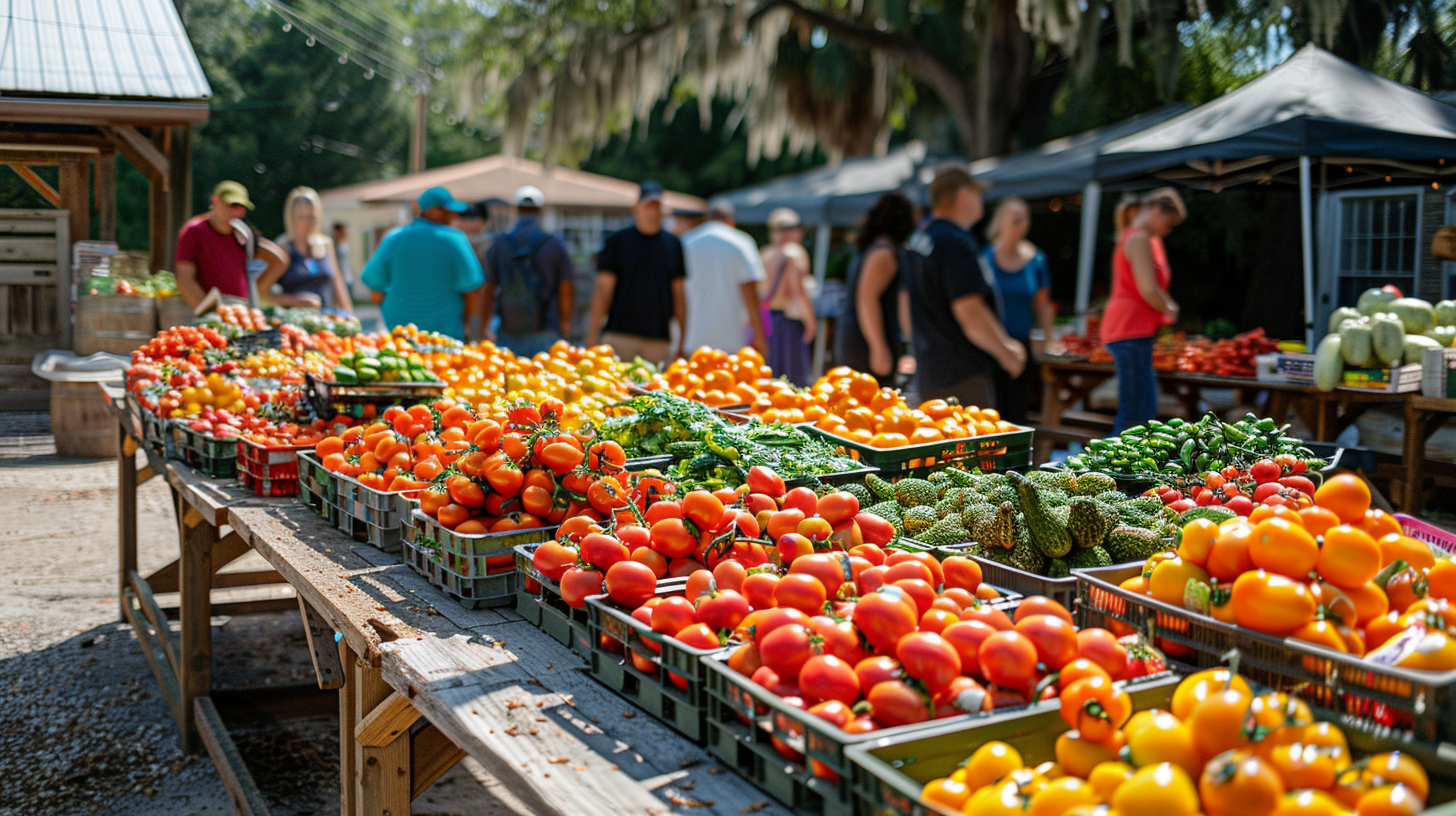
When choosing locally sourced foods, consider the environmental impact and support local farmers and producers.
By purchasing from local farmers and community markets, you contribute to sustainable agriculture and reduce the carbon footprint associated with long-distance food transportation.
Supporting local farmers not only helps to strengthen the local economy but also promotes biodiversity and reduces the need for harmful pesticides and fertilizers typically used in large-scale industrial agriculture.
Community markets provide a direct connection between consumers and producers, fostering community and transparency in the food supply chain.
Reduce Meat Consumption
Incorporate less meat into your daily meals by trying plant-based alternatives. Plant-based alternatives like tofu, tempeh, and seitan can provide the protein and nutrients your body needs while reducing your meat consumption.
These alternatives aren't only good for your health but also the environment. Ethical farming practices for meat production can be resource-intensive and have a significant environmental impact. By choosing plant-based alternatives, you can help reduce the demand for meat, which in turn can lead to fewer resources being used for meat production.
You can start by having a meatless day once a week and gradually increasing the frequency. Small changes in your diet can make a big difference in promoting sustainability and reducing your carbon footprint.
Opt for Organic and Seasonal Produce
Are you wondering how you can make sustainable food choices that support your health and the environment? Opting for organic and seasonal produce is a great way to do just that.
When you buy organic, you support farming practices that prioritize soil and water conservation, reduce pollution, and promote a healthier ecosystem. Additionally, choosing seasonal produce means you're supporting local farmers and reducing the environmental impact of long-distance transportation.
Farmers markets are excellent places to find a wide variety of organic and seasonal produce while also directly supporting local growers. If you have the space, consider starting a garden at home to grow your organic fruits and vegetables.
Minimize Food Waste
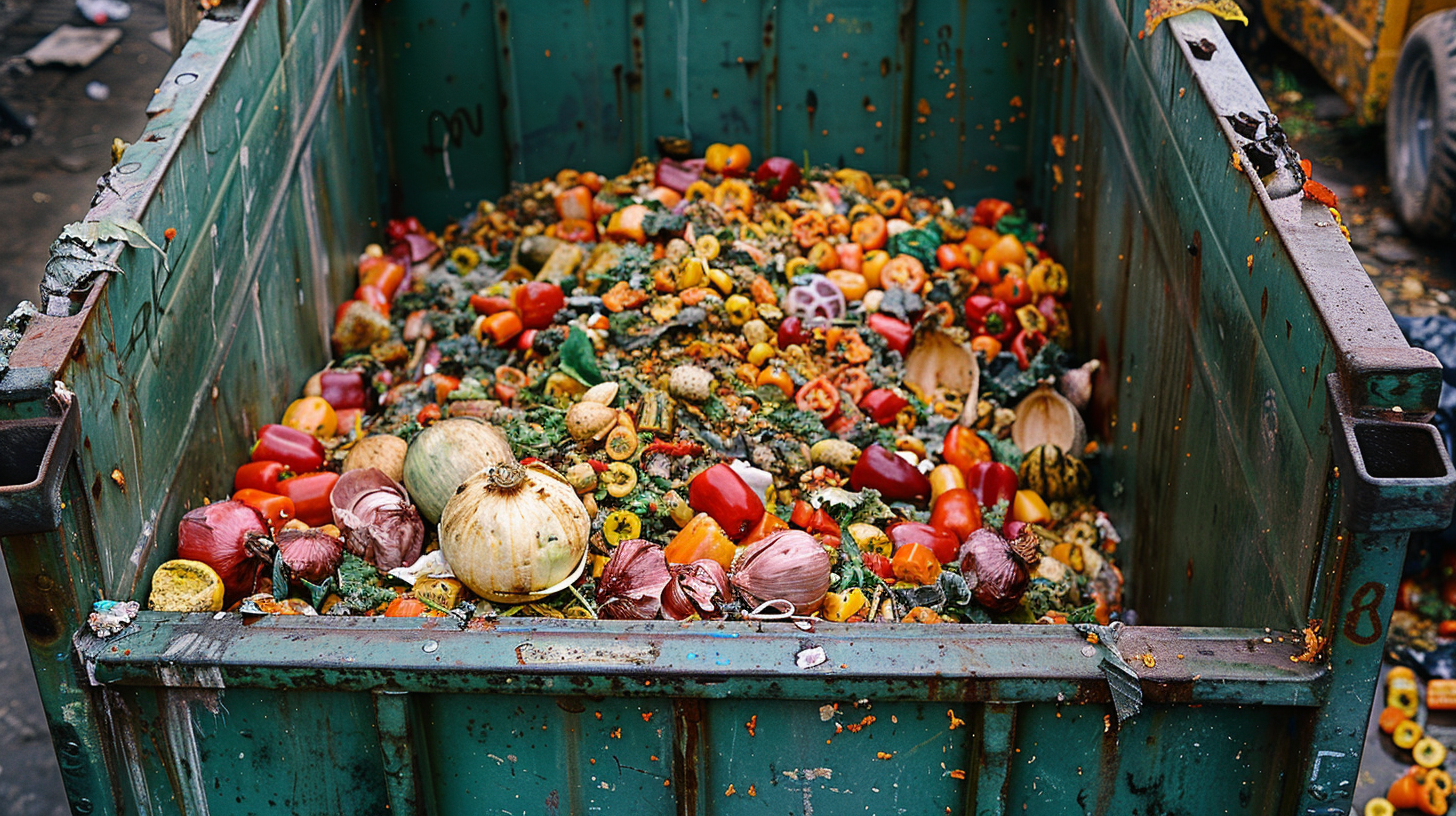
Minimize food waste by planning your meals carefully and using leftovers creatively to reduce your environmental impact and save money.
Food preservation techniques such as pickling, freezing, and canning can help extend the shelf life of fruits and vegetables. Consider making soups, stir-fries, or smoothies with leftover produce to avoid throwing them away.
Additionally, composting leftovers can turn food scraps into nutrient-rich soil for your garden. When shopping, buy only what you need and try to use up perishable items before they spoil.
By being mindful of food waste, you can contribute to a more sustainable food system and reduce the amount of organic matter sent to landfills, ultimately minimizing greenhouse gas emissions.
Support Sustainable Seafood
To support sustainable seafood, there are several actions you can take. First, choose fish and shellfish from well-managed fisheries or responsibly farmed sources. This helps protect marine ecosystems and ensures a future supply of seafood for generations to come.
When selecting seafood, it's important to look for certifications such as the Marine Stewardship Council (MSC) or Aquaculture Stewardship Council (ASC). These certifications ensure that the products have been sourced using sustainable fishing practices.
By making informed choices, you can contribute to marine conservation efforts and encourage responsible fishing practices. When dining out, it's a good idea to ask about the origin of the seafood on the menu. This allows you to support restaurants and suppliers that prioritize sustainability.
Additionally, consider diversifying your seafood choices. By reducing the strain on specific species, you give vulnerable populations a chance to recover. This also helps to balance the ecosystem and maintain biodiversity.
Frequently Asked Questions
Are There Any Specific Local Farms or Markets That You Recommend for Sourcing Sustainable Produce?
For sustainable produce, check out local farms and farmer's markets. They often prioritize ethical farming practices and offer seasonal, organic options. Supporting these sources helps reduce meat consumption and encourages plant-based protein choices.
When it comes to seafood, look for sustainable options and consider minimizing food waste by getting creative with leftovers. These approaches support sustainable eating and help you make environmentally friendly choices.
How Can I Ensure That I Am Getting Enough Protein in My Diet if I Am Reducing My Meat Consumption?
If you're reducing meat consumption, plant-based protein sources like lentils, chickpeas, and quinoa are great options.
You can also consider nutritional supplements like protein powders.

To ensure a balanced diet, include protein-rich alternatives such as tofu, tempeh, and seitan in your meals.
These options provide the necessary protein intake while supporting sustainable eating practices.
What Are Some Common Misconceptions About Organic Produce and How Can I Make Informed Choices When Shopping for Organic and Seasonal Produce?
When shopping for organic and seasonal produce, it's important to be aware of common misconceptions about organic labeling. Some may assume that all organic produce is automatically better, but it's essential to educate yourself about the specific standards and regulations.
Making informed choices means understanding the seasonal availability of produce and considering factors like transportation and storage. By staying informed, you can make conscious decisions that align with your sustainable eating goals.
What Are Some Creative Ways to Minimize Food Waste in My Daily Life, Beyond Just Composting or Recycling?
When it comes to minimizing food waste, get creative with your recipes and food preservation techniques. Think beyond composting and recycling.
Try pickling leftover vegetables, turning overripe fruits into smoothies, or making broth from vegetable scraps.
How Can I Identify Sustainable Seafood Options When Dining Out or Shopping for Seafood?
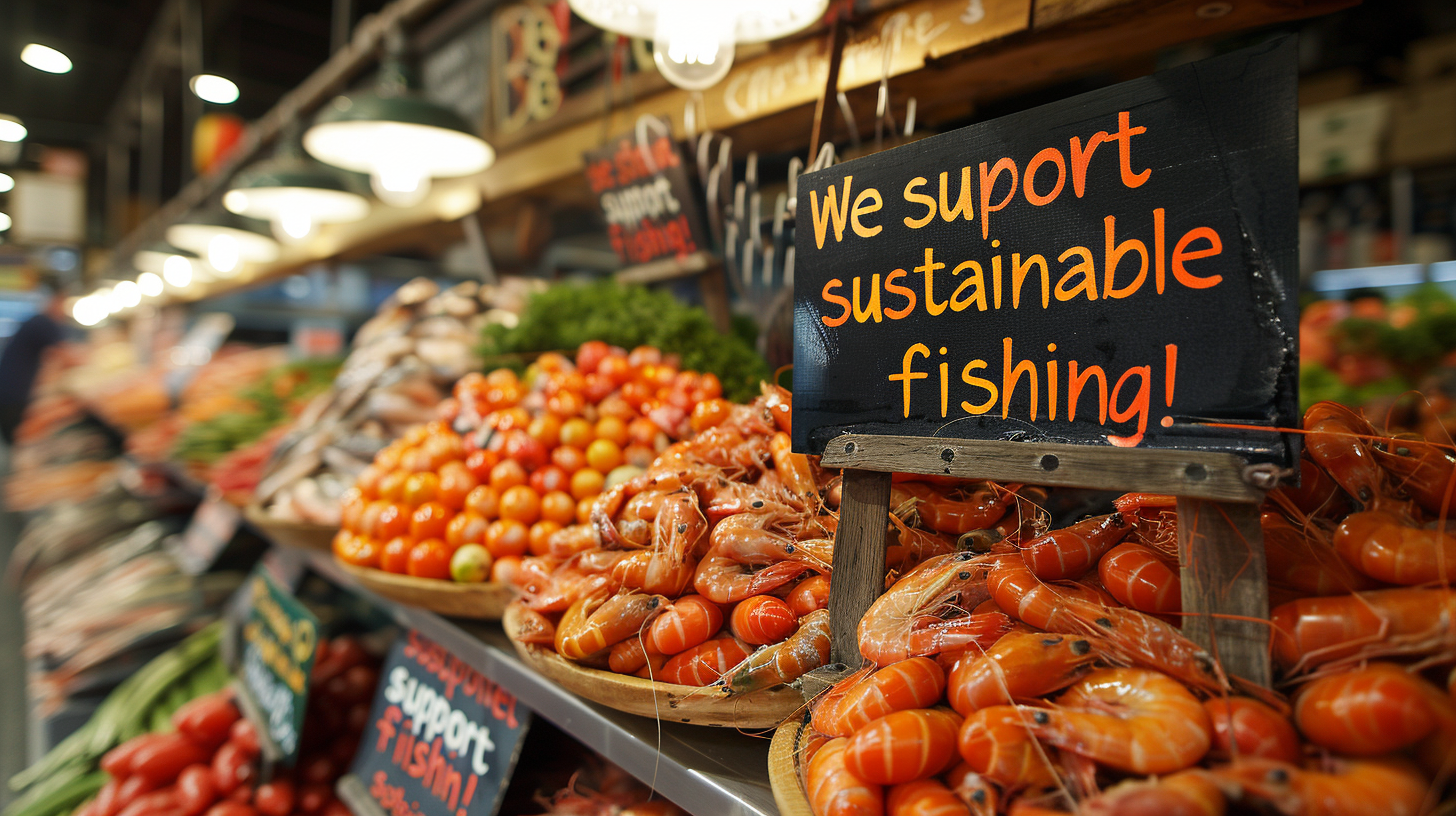
When dining out or shopping for seafood, identify sustainable options by looking for sustainable seafood labels or using the Seafood Watch program.
Choose ocean-friendly seafood options that support eco-friendly fishing practices.
These labels and programs help you make informed choices that protect the ocean's biodiversity and support sustainable fishing practices.
Making these choices can help you enjoy seafood while also contributing to the health of our oceans.
Conclusion
Incorporating sustainable eating habits into your daily life can have a big impact on the environment. By choosing locally sourced foods, reducing meat consumption, and minimizing food waste, you can make a difference.
Remember, every small change adds up to create a ripple effect of positive change. So, keep on treading lightly on the earth and let your sustainable eating habits bloom like a garden of hope and renewal.
Statistics
- Opting for reusable water bottles and food containers can help reduce single-use plastic waste.
- It's not just about what you eat, but also how you eat. Practicing mindful eating can help you appreciate and savor your food, leading to healthier habits.
- Did you know that the average American throws away around 30% to 40% of the food they purchase?
- By reducing your meat consumption, you can help decrease the demand for livestock production and decrease greenhouse gas emissions.
- Meal prepping and using leftovers creatively can help minimize food waste and save you money.
- Every small step towards more sustainable eating counts - whether it's choosing a plant-based meal once a week or supporting local farmers.
- Did you know that food waste is a major contributor to greenhouse gas emissions?
- Supporting small-scale farmers and local food systems can help create a more sustainable and resilient food system.
- Incorporating sustainable eating habits into your daily life can have a positive impact on the environment.
- By growing your herbs and vegetables, you can reduce packaging waste and have a fresh and healthy food source right in your backyard.
External Links
- Eating Out Guide: Sustainable Food - The Independent offers a guide on how to make sustainable food choices while dining out or ordering takeout.
- Michael Pollan - Explore the works of Michael Pollan, a renowned author and advocate for sustainable and ethical eating.
- 5 Ways to Eat More Sustainably - Celebrity chef Jamie Oliver shares his insights and tips for making sustainable food choices.
- Choose My Plate - The United States Department of Agriculture guides on building healthy and sustainable eating patterns.
- Composting at Home - Learn how to compost your food scraps and yard waste to create nutrient-rich soil for your garden while reducing waste.
- Good Food - Find resources and tips for consuming food that is good for people and the planet, provided by the World Wildlife Fund.
- Environmental Impact of Food - National Geographic explores how our food choices impact the environment and offers suggestions for reducing our footprint.
- Forks Over Knives - This website offers plant-based recipes, meal plans, and resources to support a healthy and sustainable lifestyle.
- The Health Benefits of Fruits and Vegetables - This scientific article highlights the numerous health benefits of including more fruits and vegetables in your diet.
- EWG's Shopper's Guide to Pesticides in Produce - Use this guide to prioritize organic options for the produce with the highest pesticide residues and make healthier choices.
How To
How to Choose Sustainable Seafood
1. Look for eco-labels: Choose seafood that has been certified by reputable organizations like the Marine Stewardship Council or the Aquaculture Stewardship Council. 2. Check for local options: Choosing seafood that is sourced locally helps reduce the carbon footprint associated with transportation. 3. Avoid overfished species: Consult sustainable seafood guides to learn which species are overfished and choose alternatives. 4. Be aware of fishing methods: Some fishing methods, such as bottom trawling or dredging, can cause significant damage to ocean ecosystems. Opt for more sustainable methods like pole and line or trap fishing. 5. Support sustainable aquaculture: Look for farmed seafood that follows responsible practices such as minimizing pollution and protecting natural habitats. 6. Ask questions: When dining out or shopping, don't hesitate to ask where the seafood comes from and how it was caught or farmed.


.jpeg)
.png)


.png)