


Looking to improve your digestive health? Incorporating high-fiber foods into your diet can make a significant difference.
For instance, adding more fruits, vegetables, whole grains, and legumes can help regulate your digestion and prevent constipation. High-fiber foods aid in maintaining a healthy digestive system by promoting regular bowel movements and supporting the growth of beneficial gut bacteria.
Including nuts, seeds, bran, and oats in your meals can also contribute to your fiber intake.
By making simple yet impactful changes to your diet, you can promote better digestive health and overall well-being.
Summary of Article
Key Takeaways
- Whole grains and legumes are rich in fiber and should be incorporated into the diet for digestive health.
- Fruits and vegetables, especially those high in fiber, should be consumed daily to promote digestive health.
- Nuts and seeds can be added to meals or enjoyed as a snack to increase fiber intake.
- Bran and oats are beneficial for digestive health as they contain insoluble and soluble fiber, respectively, and act as prebiotics.
Whole Grains
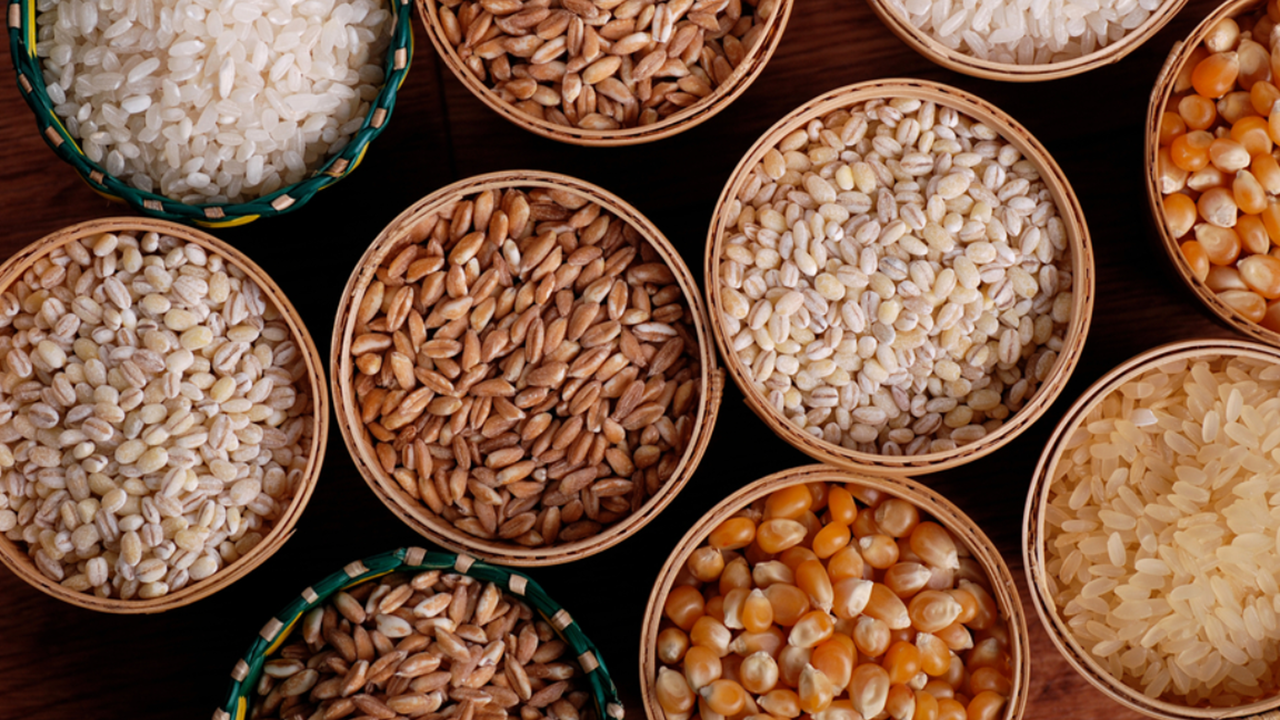
How can you incorporate more whole grains into your diet for better digestive health?
Whole grains are an essential part of a healthy diet, providing a wide range of nutritional benefits, including fiber, vitamins, and minerals. To incorporate more whole grains into your diet, opt for whole grain bread, pasta, and brown rice instead of their refined counterparts. Look for labels that specifically state '100% whole grain' to ensure you're getting the most nutritional value.
Cooking methods such as steaming, boiling, or baking whole grains can help retain their nutrients. It's recommended to consume at least three servings of whole grains daily to support digestive health and overall well-being.
Studies have shown that diets rich in whole grains can reduce the risk of developing digestive issues and other health implications.
Fruits
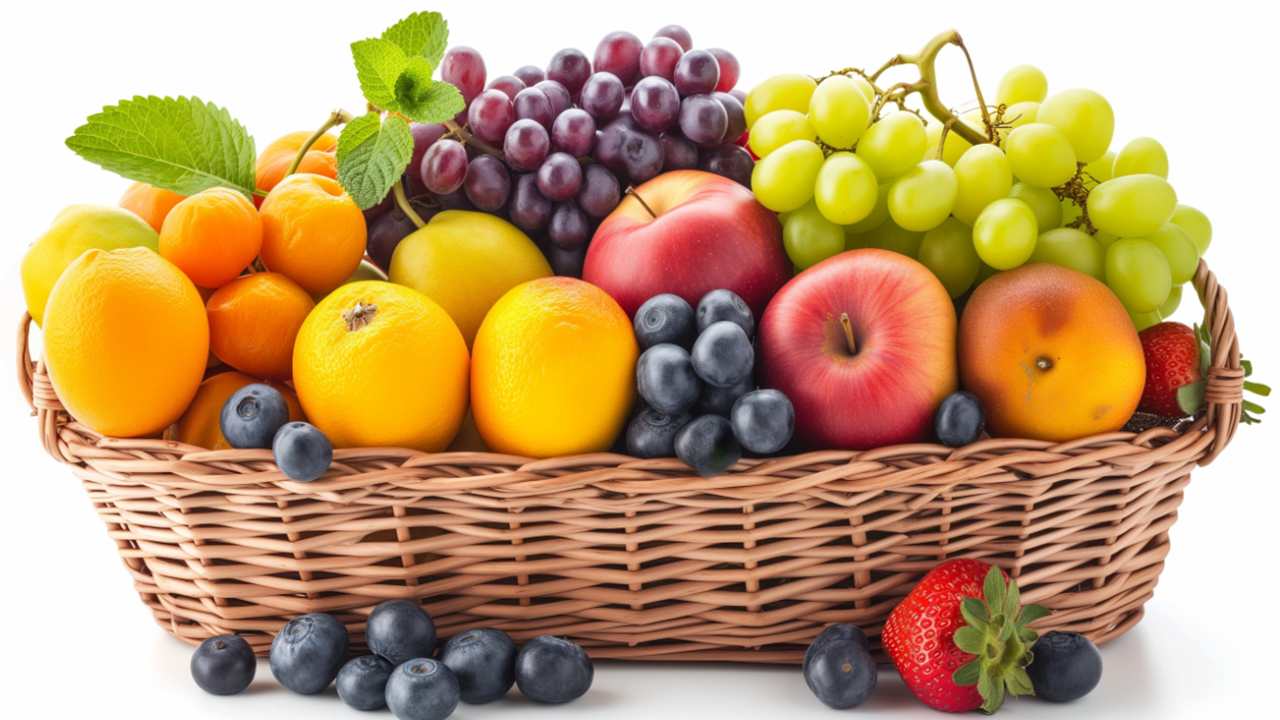
You should aim to eat at least two servings of whole fruits daily to increase your fiber intake and promote digestive health.
When it comes to fruit selection, opt for fiber-rich choices such as apples, pears, berries, and oranges. These fruits aren't only delicious but also packed with essential nutrients and dietary fiber.
Incorporating a variety of fruits into your diet ensures that you benefit from different vitamins, minerals, and antioxidants, contributing to overall health.
Additionally, consider making fiber-rich smoothies by blending fruits like bananas, strawberries, and spinach with a source of natural yogurt or almond milk. This not only makes for a tasty treat but also helps increase your daily fiber consumption.
Vegetables
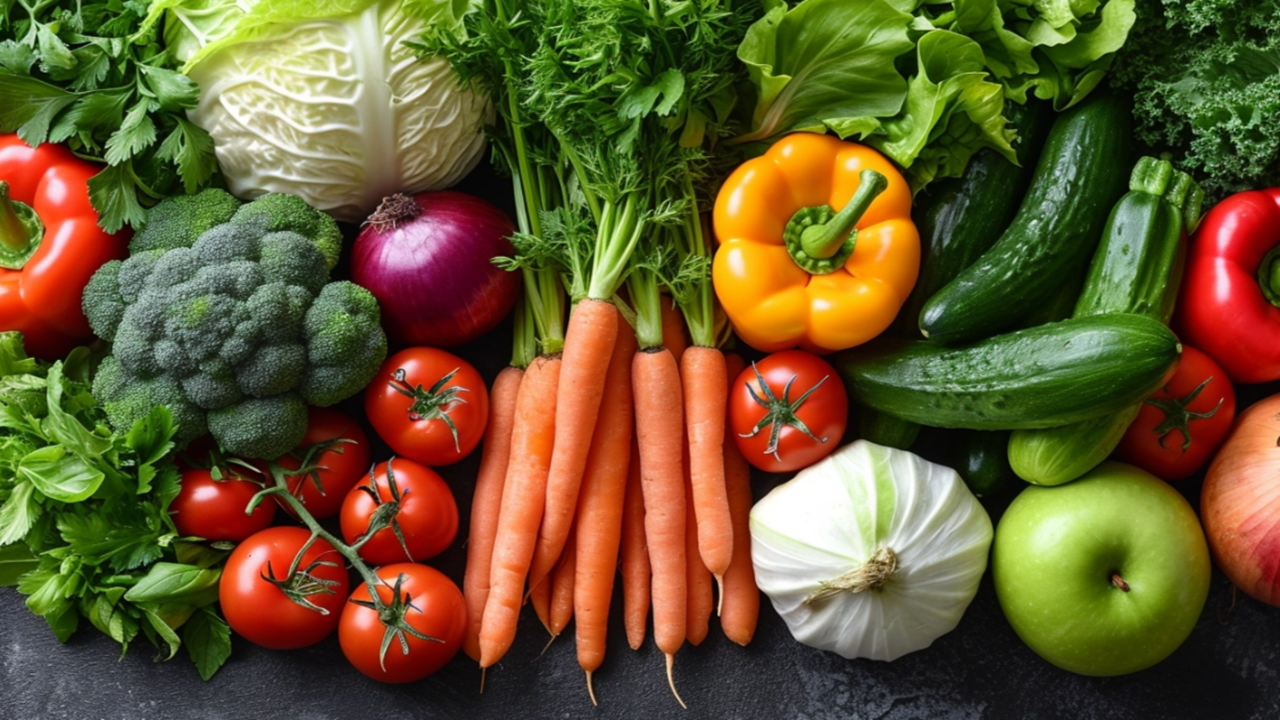
Adding a variety of vegetables to your meals is essential for increasing your fiber intake and promoting digestive health. Incorporating cooking techniques such as steaming, roasting, or stir-frying can help retain the nutritional benefits of vegetables. These cooking methods preserve the fiber content, vitamins, and minerals in vegetables, ensuring that you get the most out of each serving.
Vegetables like broccoli, Brussels sprouts, and artichokes are particularly high in fiber, aiding in digestion and overall gut health. Additionally, they provide essential nutrients such as vitamin C, potassium, and antioxidants.
Legumes
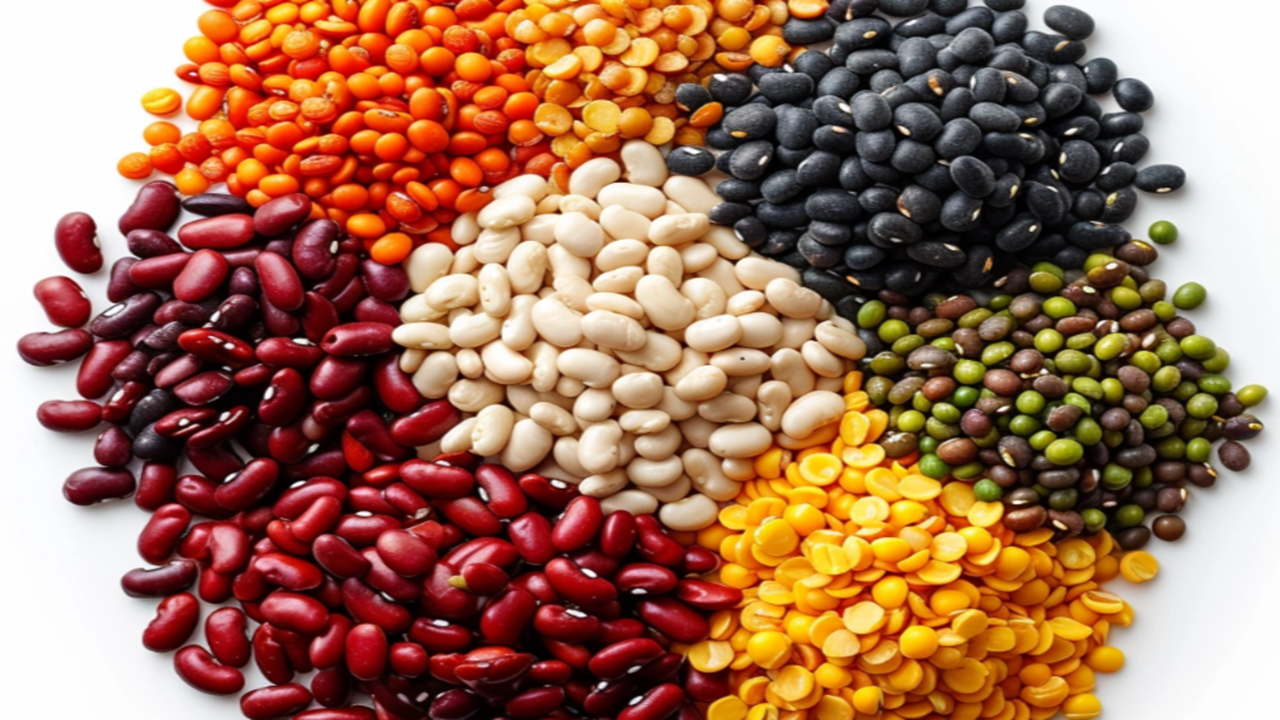
Incorporate legumes into your diet to boost your fiber intake and improve digestive health. Legumes such as lentils, chickpeas, and black beans are rich in fiber, making them excellent choices for promoting a healthy digestive system.
They also offer a plethora of health benefits, including improved blood sugar control, heart health, and weight management. To maximize the benefits of legumes, consider cooking them from scratch instead of opting for canned varieties, as this allows you to control the sodium content and ensure they're thoroughly cooked.
Additionally, soaking dried legumes before cooking can help reduce their gas-producing properties. Experiment with different recipes such as soups, salads, and stews to incorporate legumes into your meals and reap their digestive health advantages.
Nuts and Seeds
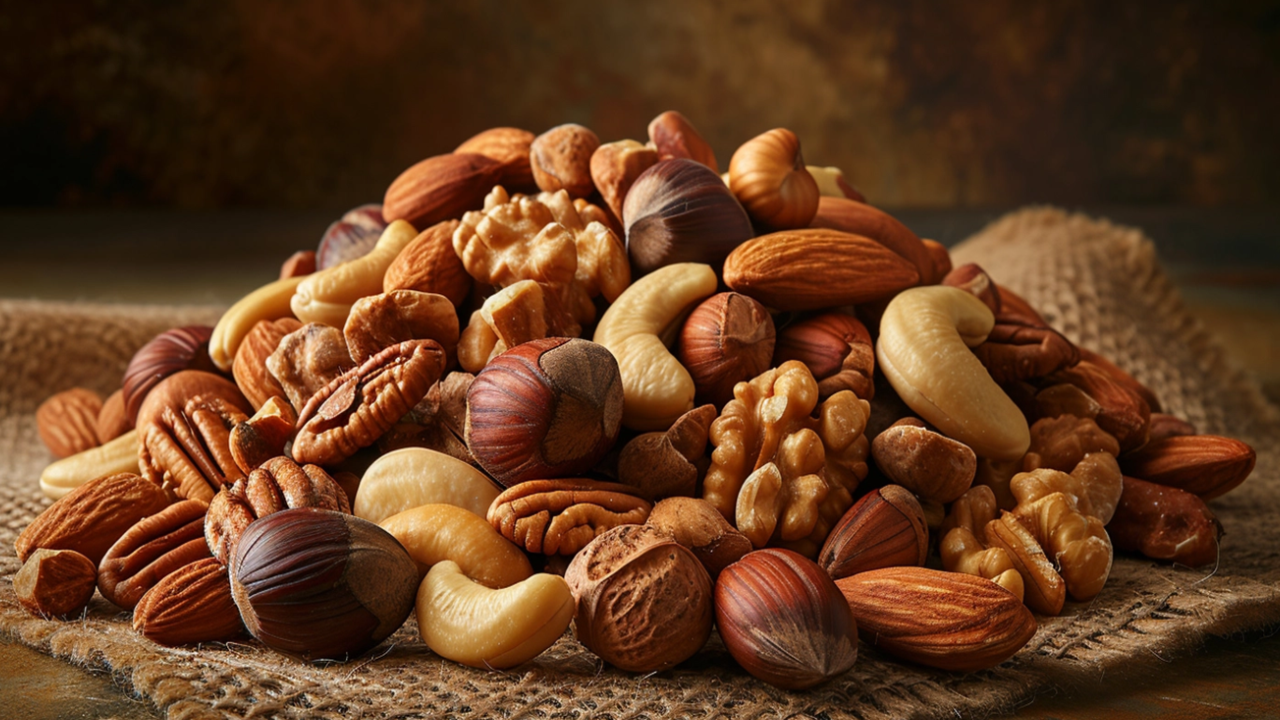
Boost your fiber intake and improve digestive health by including nuts and seeds in your diet. Nuts and seeds are rich in fiber, healthy fats, protein, vitamins, and minerals. They provide essential nutrients such as magnesium, zinc, and vitamin E, which are beneficial for overall health.
Incorporating nuts and seeds into your daily diet can be as simple as adding them to yogurt, salads, or smoothies. You can also enjoy them as a standalone snack. To maximize the nutritional benefits, consider consuming them in their natural state without added salt or sugar.
Keep in mind that while nuts and seeds are nutritious, they're also calorie-dense, so portion control is important. A small handful or about 1-2 ounces per day is a good guideline for enjoying the health benefits without overdoing it.
Bran and Oats
To continue improving your digestive health through high-fiber foods, turn to bran and oats for a reliable source of fiber and essential nutrients.
Bran, the outer layer of whole grains, is rich in insoluble fiber, promoting healthy bowel movements and preventing constipation.
Oats, on the other hand, contain beta-glucan, a soluble fiber that helps lower cholesterol levels and stabilize blood sugar.
Both bran and oats act as prebiotics, fostering the growth of beneficial bacteria in your gut microbiota, which is crucial for overall digestive health.
Incorporating bran and oats into your diet can also help in reducing the risk of certain digestive disorders.
These high-fiber foods are a natural and effective alternative to fiber supplements, offering a host of additional health benefits beyond just promoting digestive regularity.
High-Fiber Recipes
Once you understand the importance of high-fiber foods, start incorporating them into your daily meals with these delicious and nutritious recipes.
Fiber-packed desserts can be a delightful way to increase your fiber intake. Try baking a batch of black bean brownies or whipping up a chia seed pudding for a satisfying treat that's also high in fiber.
Smoothies are another fantastic option for boosting your fiber consumption. Blend spinach, berries, flaxseeds, and a banana for a refreshing and fiber-packed breakfast or snack. High-fiber smoothies can provide a quick and easy way to increase your daily fiber intake.
Frequently Asked Questions
Can High-Fiber Foods Help With Weight Loss?
High-fiber foods can help with weight loss by keeping you full for longer, reducing overeating, and aiding in digestion. They also regulate blood sugar levels, which can prevent energy crashes and help you stay active.
Are There Any Potential Side Effects of Consuming Too Much Fiber?
Eating too much fiber can lead to potential risks like bloating, gas, and diarrhea. It's like adding too much fuel to a car; it can cause the engine to sputter.
Fiber supplements can also affect digestive health if taken in excess. To avoid these issues, balance your fiber intake by gradually increasing it and staying hydrated.
Be mindful of your fiber sources and quantities to support your digestive well-being.
How Can I Incorporate High-Fiber Foods Into My Child's Diet?
Incorporating high-fiber foods into your child's diet is essential for digestive health. For school lunches, pack whole grain sandwiches or wraps, fruits, and veggies.
For fiber-rich snacks, opt for nuts, seeds, or homemade trail mix.
Try sneaking fiber into meals for picky eaters by adding beans or lentils to soups, stews, or pasta dishes.
Experiment with fiber-rich recipes like oatmeal with fruit or whole grain pancakes to make it fun and tasty.
Are There Any Specific High-Fiber Foods That Can Help With Digestive Issues Such as Constipation or Diarrhea?
If you're dealing with digestive issues like constipation or diarrhea, certain high-fiber foods can be really helpful. Incorporating fiber-rich foods like fruits, vegetables, whole grains, and legumes into your diet can improve your digestive health.
Additionally, fiber supplements can also provide a boost. These foods and supplements can help to regulate bowel movements, support gut microbiota, and alleviate symptoms of constipation and diarrhea.
Can High-Fiber Foods Help Lower Cholesterol Levels?
High-fiber foods can help lower cholesterol levels. Fiber supplements and fiber-rich snacks, like oats, beans, and fruits, can aid in reducing cholesterol. Soluble fiber in these foods binds to cholesterol and removes it from your body. This helps to lower your overall cholesterol levels.
Consuming high-fiber foods can be a practical and natural way to improve your cholesterol profile and support your overall heart health.
Conclusion
So, next time you're planning your meals, remember to include high-fiber foods to promote digestive health.
Take, for example, Sarah, who started incorporating more fruits, vegetables, and whole grains into her diet. After a few weeks, she noticed a significant improvement in her digestion and overall well-being.
By making simple changes to your diet, you can also experience the benefits of high-fiber foods. Keep experimenting with new recipes and enjoy the positive impact on your digestive health.
Statistics
- Fruits and vegetables are not only high in fiber but also packed with vitamins, minerals, and antioxidants that promote overall health.
- A high-fiber diet can help prevent constipation by adding bulk to the stool and stimulating regular bowel movements.
- Fiber-rich foods are often lower in calories, making them a great choice for those looking to manage their weight.
- Incorporating high-fiber foods into your diet can help maintain a healthy weight by promoting feelings of fullness and reducing the risk of overeating.
- High-fiber foods can help improve overall gut health and may alleviate symptoms of irritable bowel syndrome (IBS).
- Adding fiber-rich foods to your diet may help reduce the risk of developing certain types of cancer, such as colorectal cancer.
- Fiber can aid in the management of diabetes by slowing down the absorption of sugar and improving blood sugar control.
- Nuts and seeds, such as almonds and chia seeds, are not only delicious but also provide a significant amount of fiber.
- Increasing fiber intake can promote a healthy gut by reducing the risk of inflammation and digestive disorders.
- Studies suggest that a high-fiber diet may help reduce the risk of developing gallstones.
External Links
- Mayo Clinic: High-Fiber Foods - This resource from the Mayo Clinic provides a comprehensive list of high-fiber foods and tips on how to incorporate them into your diet.
- Eat Right - Academy of Nutrition and Dietetics: Eating Your Way to Daily Fiber - This resource provides tips on how to increase your daily fiber intake through a variety of high-fiber foods.
- Cooking Light: How to Eat More Fiber - Cooking Light offers practical suggestions and recipes to help you add more fiber to your diet.
- American Diabetes Association: Fiber - This resource from the American Diabetes Association provides information on the benefits of fiber for diabetes management and suggestions for incorporating fiber-rich foods into your diet.
- American Institute for Cancer Research: Fiber - The American Institute for Cancer Research explains the role of fiber in reducing cancer risk and provides advice on consuming fiber-rich foods.
- Merck Manual: Constipation - The Merck Manual provides information on constipation, including dietary measures such as increasing fiber intake to alleviate symptoms.
- Verywell Fit: Top Sources of Fiber - Verywell Fit provides a list of top sources of fiber along with their respective fiber content and serving sizes.
- American Gastroenterological Association: Fiber-Rich Foods for Constipation Relief - The American Gastroenterological Association offers tips on incorporating fiber-rich foods into your diet to improve constipation.
- Nutrition.gov: Top 10 Tips for Eating More Fiber - Nutrition.gov offers helpful tips and strategies for incorporating more fiber into your daily diet.
- American Heart Association: Whole Grains, Refined Grains, and Dietary Fiber - The American Heart Association explains the importance of whole grains and dietary fiber for heart health.
How To
How to Increase Your Fiber Intake
To promote digestive health with high-fiber foods, you can start by increasing your fiber intake. Include a variety of fiber-rich foods in your meals and snacks. Whole grains, fruits, vegetables, legumes, nuts, and seeds are excellent sources of fiber. Replace refined grains with whole grains like brown rice and whole wheat bread. Include fresh fruits and vegetables in your daily diet. Opt for snacks like nuts and seeds. Gradually increase your fiber intake to prevent digestive discomfort, and make sure to drink plenty of water to help the fiber move through your digestive system smoothly.

.jpeg)
.png)


.png)