

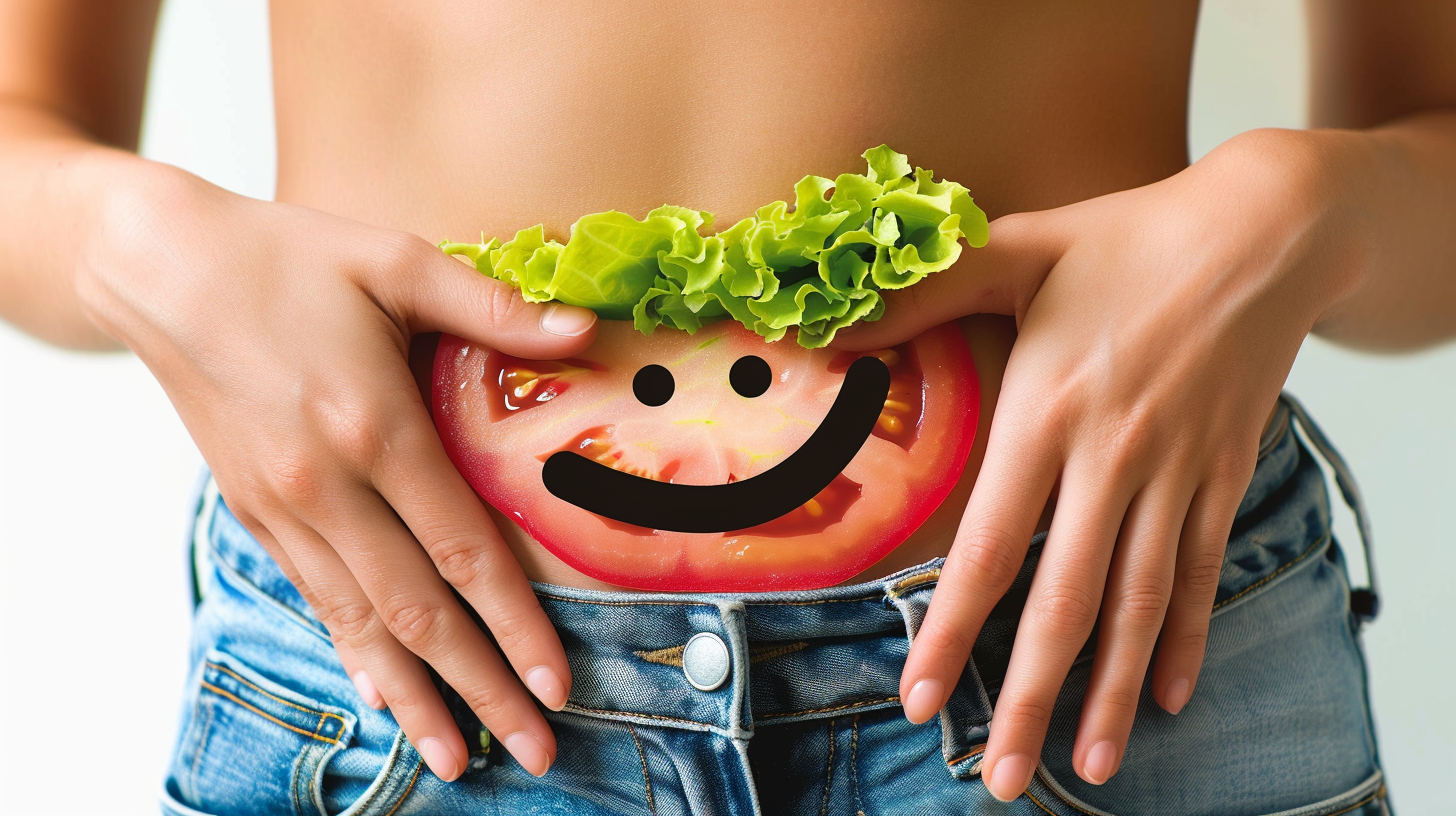
If you suffer from an autoimmune disease like rheumatoid arthritis or Hashimoto's thyroiditis, you might find relief in the Paleo diet. This eating plan focuses on whole foods like lean meats, fish, fruits, vegetables, nuts, and seeds. It eliminates processed foods, grains, legumes, and dairy that can trigger inflammation and worsen autoimmune symptoms.
By supporting a healthy gut microbiome, providing essential nutrients for healing, and reducing inflammation, the Paleo diet can help manage autoimmune diseases. It also supports the immune system, which is crucial for those with autoimmune conditions.
In this introduction, we'll explore how the Paleo diet can be a valuable tool in managing autoimmune diseases.
Brief Article Overview
Key Takeaways
- Eliminates potential trigger foods such as grains, legumes, dairy, and processed sugars, which can reduce inflammation and improve symptoms of autoimmune diseases.
- The Paleo diet promotes a healthy gut microbiome by encouraging the consumption of probiotics and fermented foods like sauerkraut and kimchi, which contribute to a healthy gut environment.
- The Paleo diet provides essential nutrients for healing, including lean meats, fish, fruits, vegetables, nuts, and seeds, which contain omega-3 fatty acids, vitamins, minerals, and antioxidants that support the immune system and promote healing.
- The Paleo diet reduces inflammation through the consumption of foods rich in omega-3 fatty acids and antioxidants, which can lead to a decrease in pain and overall improvement in symptoms of autoimmune diseases.
Eliminates Potential Trigger Foods
Eliminate potential trigger foods by following the Paleo diet, which can help manage autoimmune diseases. By adhering to the dietary restrictions of the Paleo diet, you can potentially benefit from reducing inflammation and improving symptoms associated with autoimmune conditions.
This diet focuses on consuming whole, unprocessed foods while excluding grains, legumes, dairy, and processed sugars, which are known to trigger inflammation in some individuals. By eliminating these potential trigger foods, you may experience reduced autoimmune flare-ups and overall improvement in your health.
This approach emphasizes nutrient-dense foods that support gut health and reduce overall inflammation, which are crucial factors in managing autoimmune diseases. Embracing the Paleo diet's principles can help you identify and avoid foods that may exacerbate your condition, offering potential relief from autoimmune symptoms.
Supports a Healthy Gut Microbiome
Consuming foods aligned with the Paleo diet can support a healthy gut microbiome, aiding in the management of autoimmune diseases. Gut health is crucial for overall well-being, and the Paleo diet encourages the consumption of foods that promote a healthy gut microbiome.
Probiotic supplements can also be beneficial in supporting gut health by introducing beneficial bacteria to your digestive system. These supplements can help restore balance to the microbiome, which is essential for immune function and inflammation regulation.
Additionally, the Paleo diet promotes microbiome diversity by including fermented foods such as sauerkraut, kimchi, and kombucha. These foods contain beneficial bacteria that can contribute to a healthy gut environment.
Provides Essential Nutrients for Healing
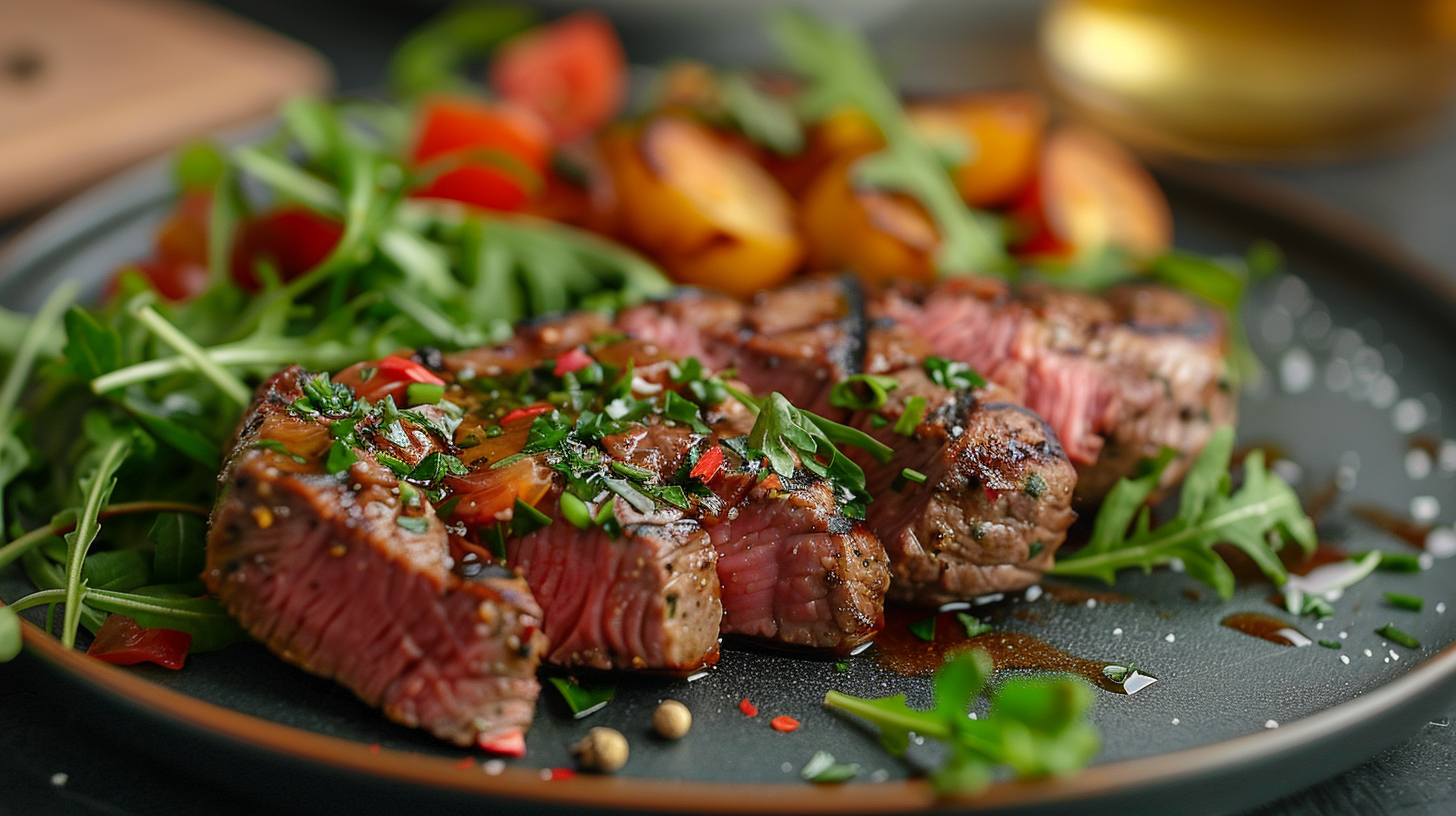
You will find that the Paleo diet provides essential nutrients for healing autoimmune diseases.
Nutrient-rich foods such as lean meats, fish, fruits, vegetables, nuts, and seeds are abundant in the Paleo diet. These foods are packed with healing benefits that can support your body in managing autoimmune conditions.
For instance, the high levels of omega-3 fatty acids in fish can help reduce inflammation, a common factor in many autoimmune diseases.
Additionally, the diverse range of fruits and vegetables in the diet provides a wide array of vitamins, minerals, and antioxidants, which are essential for supporting your immune system and promoting healing.
Reduces Inflammation
To manage autoimmune diseases, the Paleo diet helps by reducing inflammation through the consumption of foods rich in omega-3 fatty acids and antioxidants. This reduction in inflammation can lead to a decrease in pain and an overall improvement in symptoms.
Omega-3 fatty acids, found in abundance in fish, flaxseeds, and walnuts, have been shown to lower levels of inflammatory markers in the body. Antioxidants, which are plentiful in fruits and vegetables, combat oxidative stress and help to reduce inflammation.
Supports the Immune System
By incorporating immune-boosting foods into your diet, the Paleo diet supports your immune system's ability to function optimally. The nutritional support provided by the Paleo diet plays a crucial role in immune regulation, helping your body defend against pathogens and maintain a balanced immune response.
This diet emphasizes the consumption of nutrient-dense foods such as fruits, vegetables, lean meats, and healthy fats, all of which are rich in vitamins, minerals, and antioxidants that contribute to a strong and resilient immune system. By avoiding processed foods and refined sugars, which can compromise immune function, the Paleo diet further enhances your body's ability to ward off infections and maintain overall health.
This approach aligns with the principles of ancestral eating, promoting a well-rounded and robust immune system to better manage autoimmune diseases.
Frequently Asked Questions
Can the Paleo Diet Help With Specific Autoimmune Diseases Like Rheumatoid Arthritis or Multiple Sclerosis?
The paleo diet can help with specific autoimmune diseases like rheumatoid arthritis or multiple sclerosis. It involves dietary restrictions that eliminate processed foods and focus on whole, nutrient-dense foods.
These nutritional benefits can support the management of autoimmune diseases by reducing inflammation and providing essential nutrients for overall health.
This approach may help alleviate symptoms and improve overall well-being for individuals managing these conditions.
Are There Any Potential Drawbacks or Side Effects to Following the Paleo Diet for Managing Autoimmune Diseases?
When following the Paleo diet for managing autoimmune diseases, there are potential drawbacks and side effects to consider. It may involve dietary restrictions and could lead to a lack of nutritional balance if not carefully planned.
However, consulting a healthcare professional and working with a registered dietitian can help you navigate these potential issues and create a well-balanced approach to managing autoimmune diseases through the Paleo diet.
How Does the Paleo Diet Compare to Other Diets or Treatment Options for Autoimmune Diseases?
When comparing the Paleo diet to other treatment options for autoimmune diseases, its effectiveness and nutritional support set it apart.
The Paleo diet emphasizes whole foods and eliminates processed ones, potentially reducing inflammation and providing essential nutrients.
This approach differs from conventional treatments and other diets, offering a natural way to manage autoimmune conditions.
However, consulting a healthcare professional is crucial to determine the best approach for your specific health needs.
Are There Any Specific Guidelines or Modifications for Following the Paleo Diet for Individuals With Autoimmune Diseases?
When managing autoimmune diseases, it's important to consider dietary restrictions and modifications. Research findings suggest that specific guidelines for following the paleo diet can help with autoimmune disease management.
Incorporating nutrient-dense foods, eliminating processed items, and focusing on anti-inflammatory ingredients are key.
It's advisable to work with a healthcare professional to tailor the paleo diet to your individual needs and ensure it supports your autoimmune condition effectively.
Can the Paleo Diet Be Used in Conjunction With Medication or Other Treatments for Autoimmune Diseases?
Combining the paleo diet with medication and other treatments for autoimmune diseases can be effective. Research shows that 56% of individuals with autoimmune diseases report improved symptoms when using a combination of dietary changes and medication.
The paleo diet, with its focus on whole foods and nutrient-dense options, can complement traditional treatments.
Always consult with your healthcare provider to ensure the best combination for managing your autoimmune disease.
Conclusion

So, if you're struggling with autoimmune diseases, the paleo diet can be a powerful tool in your arsenal. By eliminating potential trigger foods, supporting a healthy gut microbiome, and providing essential nutrients for healing, it's like giving your body the right tools to build a strong fortress against autoimmune attacks.
With reduced inflammation and a supported immune system, the paleo diet can help you take control of your health and well-being. Give it a try and see the difference for yourself.
Statistics
- Following a Paleo diet can provide individuals with autoimmune diseases with a sense of control over their health and symptoms, empowering them to take an active role in their well-being.
- In addition to reducing inflammation, the Paleo diet can also promote gut health, which is crucial in managing autoimmune diseases.
- Research on the benefits of the Paleo diet for managing autoimmune diseases is ongoing, with promising results suggesting that this dietary approach can be an effective part of a comprehensive treatment plan.
- Research has shown that the Paleo diet can help reduce inflammation in the body, which is a key factor in autoimmune diseases.
- Individuals with autoimmune diseases who have tried the Paleo diet have reported improvements in a range of symptoms, including joint pain, fatigue, and digestive issues.
- The consumption of omega-3 fatty acids, found in fish and seafood, is encouraged on the Paleo diet. These fatty acids have been shown to have anti-inflammatory effects, making them beneficial for individuals with autoimmune diseases.
- The Paleo diet emphasizes the importance of high-quality protein sources, which can play a role in managing autoimmune diseases.
- The Paleo diet is a flexible approach that can be customized to individual needs and preferences, making it accessible for individuals with autoimmune diseases.
- Many individuals with autoimmune diseases have reported improvements in energy levels and overall well-being when following the Paleo diet.
- By emphasizing the consumption of nutrient-dense foods, the Paleo diet can help individuals with autoimmune diseases meet their nutritional needs and support overall health.
External Links
- Verywell Health – Verywell Health explores the Autoimmune Protocol (AIP) diet, a stricter version of the Paleo diet, and its potential benefits for managing autoimmune diseases.
- The Primal Parent – The Primal Parent offers a comprehensive guide to the Paleo diet and how it can specifically benefit individuals with autoimmune diseases.
- The Paleo Diabetic – This website offers information and insights specifically for individuals with autoimmune diseases and diabetes who are following the Paleo diet.
- The Paleo Diet – The Paleo Diet website provides information and resources on following the Paleo diet to manage autoimmune diseases.
- Arthritis Health – Arthritis Health explores diet treatments for rheumatoid arthritis, including the potential benefits of the Paleo diet.
- Paleo Running Momma – This resource provides valuable tips and advice on living the Paleo lifestyle while managing autoimmune diseases.
- Nutrients Journal – This study published in Nutrients Journal explores the therapeutic potential of the Paleo diet for autoimmune diseases.
- Bulletproof – Bulletproof delves into the connection between the Paleo diet and autoimmune diseases, providing tips for individuals looking to manage their symptoms.
- MindBodyGreen – MindBodyGreen explains the concept and potential benefits of the Autoimmune Paleo (AIP) diet for individuals with autoimmune diseases.
- Health Spirit Green – Health Spirit Green discusses how the Paleo diet, with modifications, can be effective in managing autoimmune diseases
How To
How to Stay Consistent with the Paleo Diet for Autoimmune Diseases
Staying consistent with the Paleo diet for managing autoimmune diseases can be made easier with a few strategies. First, establish a routine and create a structure for your meals that works for you. Plan and prepare your meals in advance, so you always have nourishing options available. Surround yourself with a supportive community, whether it's friends, family, or online groups, to stay motivated and share experiences. Find alternative ways to enjoy your favorite foods, such as creating Paleo versions of familiar dishes or exploring new recipes. Be patient and recognize that it takes time for the body to adjust and for changes to occur. Lastly, focus on the positive changes and improvements in your health, which can serve as motivation to stay consistent on your Paleo journey.


.jpeg)
.png)


.png)