

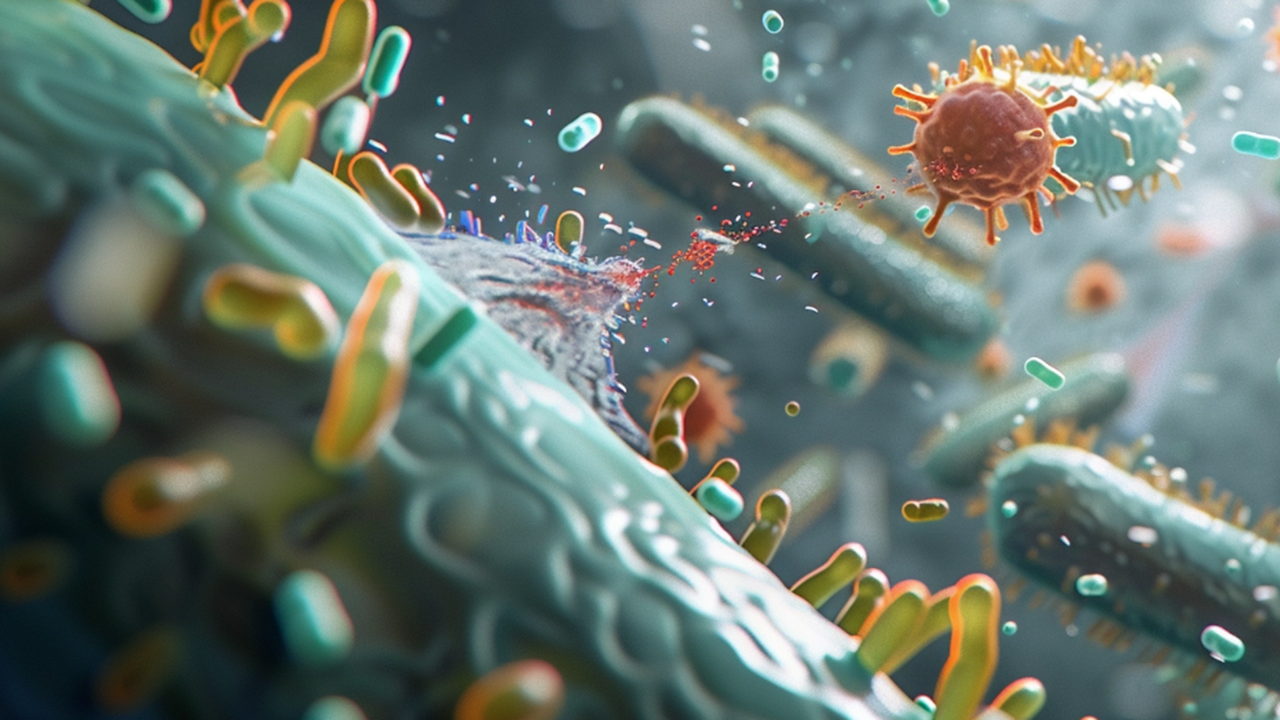
How Probiotics Improve Gut Health
You won't believe how much probiotics can transform your gut health. Adding probiotics to your daily routine can make a world of difference in improving your overall well-being.
These live bacteria and yeasts work wonders in balancing your gut microbiome, strengthening the gut barrier, and producing beneficial short-chain fatty acids.
By incorporating probiotic-rich foods or supplements, you can combat gut inflammation, prevent gut dysbiosis, and even positively impact the gut-brain axis.
Probiotics are your gut's best friend, and their positive effects on your digestive system are truly remarkable.
Quick Summary of Article
Key Takeaways
- Consuming probiotic-rich foods promotes microbiome diversity and supports gut barrier function.
- Short-chain fatty acids (SCFAs) produced through the fermentation of dietary fibers, such as acetate, propionate, and butyrate, play a crucial role in supporting gut barrier function and overall gut health.
- Probiotic supplementation, particularly with specific strains like Lactobacillus and Bifidobacterium, can restore the natural balance of gut bacteria, improve digestion, strengthen immune function, and reduce gut inflammation.
- Probiotics positively influence the gut-brain axis, potentially reducing the risk of neurological disorders, as the gut microbiota influences the production of neurotransmitters that affect mood and cognitive function.
Microbiome Balance
To maintain a healthy microbiome balance, you should focus on consuming a variety of probiotic-rich foods and avoiding excessive use of antibiotics. This is crucial for promoting microbiome diversity and preserving a well-balanced gut microbiota composition.
Incorporating probiotic-rich foods such as yogurt, kefir, sauerkraut, and kimchi into your diet can introduce beneficial bacteria to your gut, thereby enhancing microbiome diversity.
Additionally, reducing the unnecessary use of antibiotics is essential as it can disrupt the natural balance of gut bacteria, leading to a less diverse microbiome.
Gut Barrier Function
Maintain a healthy gut barrier by incorporating probiotic-rich foods into your diet and minimizing unnecessary antibiotic use. The gut barrier plays a crucial role in your overall health by preventing harmful substances from entering the bloodstream.
Intestinal permeability, also known as 'leaky gut,' occurs when this barrier becomes compromised, leading to an inappropriate immune response and potential health issues.
Probiotics support gut barrier function by promoting the growth of beneficial gut microbiota, which helps maintain the integrity of the mucus layer lining the intestines. This protective layer acts as a physical barrier, preventing harmful substances from crossing into the bloodstream and triggering an immune response.
Short-Chain Fatty Acids
Support your gut health by understanding the role of short-chain fatty acids in maintaining gut barrier function and promoting overall well-being.
Short-chain fatty acids (SCFAs) are produced through the fermentation process of dietary fibers by beneficial bacteria in the gut. These SCFAs, such as acetate, propionate, and butyrate, play a crucial role in supporting the integrity of the gut lining and preventing inflammation.
They help regulate the immune response, enhance nutrient absorption, and provide energy for the cells lining the colon. Butyrate, in particular, has been shown to promote the growth of beneficial bacteria and inhibit the growth of harmful bacteria in the gut.
Probiotic Supplementation
By incorporating probiotic supplements into your daily routine, you can actively promote the growth of beneficial bacteria in your gut and improve overall gut health.
When choosing a probiotic supplement, it's essential to look for specific probiotic strains that have been clinically proven to be effective. Research has shown that certain strains, such as Lactobacillus and Bifidobacterium, have been linked to various health benefits, including improved digestion, strengthened immune function, and reduced inflammation in the gut.

Clinical evidence suggests that these probiotic strains can help restore the natural balance of gut bacteria, which is crucial for maintaining a healthy digestive system.
Before starting any supplementation, it's advisable to consult with a healthcare professional to determine the most suitable probiotic strains for your individual needs.
Gut Inflammation
To reduce gut inflammation, consider adding probiotics to your daily routine to promote a healthier balance of gut bacteria.
Gut inflammation causes can include a variety of factors such as a poor diet, stress, infections, and certain medications. If left untreated, gut inflammation can lead to digestive discomfort, bloating, and even more serious health issues.
Incorporating probiotics into your diet can help alleviate gut inflammation by restoring the balance of good bacteria in your gut. Probiotics work by reducing gut permeability and inflammation, while also promoting the production of short-chain fatty acids that support gut health.
Gut Dysbiosis
If you're experiencing gut dysbiosis, probiotics can help restore the balance of good bacteria in your gut, promoting overall digestive health and well-being.
Gut dysbiosis refers to an imbalance in the gut microbiota, the community of microorganisms that reside in the digestive tract. This imbalance can lead to various digestive disorders, such as irritable bowel syndrome (IBS), inflammatory bowel disease (IBD), and bloating.
Probiotics, through their beneficial bacteria strains, can help address gut dysbiosis by promoting the growth of good bacteria and inhibiting the overgrowth of harmful bacteria. By restoring a healthy balance in the gut microbiota, probiotics can alleviate symptoms associated with gut dysbiosis and contribute to improved digestive function.
Incorporating probiotic-rich foods or supplements into your daily routine can play a significant role in addressing gut dysbiosis and supporting overall gut health.
Gut-Brain Axis
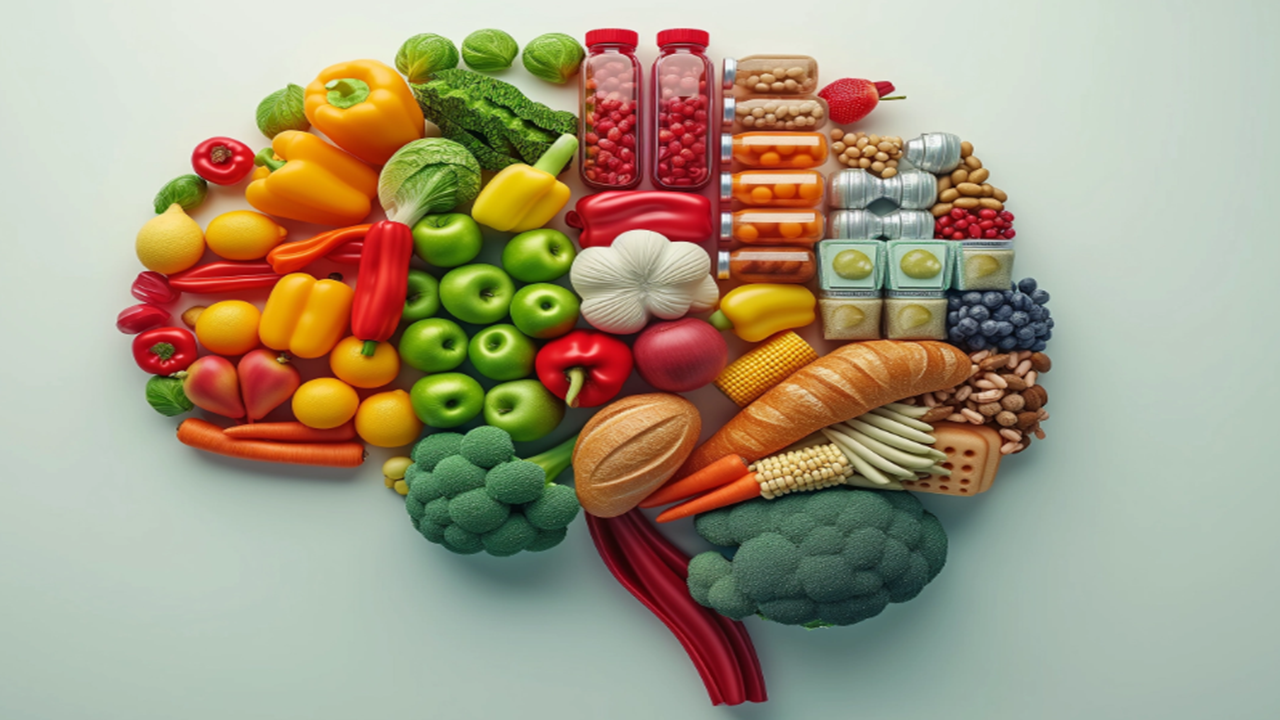
Incorporate probiotic-rich foods or supplements into your daily routine to support the communication pathway between your gut and brain, known as the gut-brain axis. This connection plays a crucial role in regulating your stress response and can significantly impact neurological disorders.
Probiotics help maintain a healthy balance of gut bacteria, which influences the production of neurotransmitters that affect your mood and cognitive function. When your gut microbiota is disturbed, it can lead to increased susceptibility to stress and anxiety.
By nurturing a diverse and thriving gut microbiome with probiotics, you can positively influence the gut-brain axis, potentially reducing the risk of neurological disorders and enhancing your ability to cope with stress.
Prioritizing your gut health through probiotics may contribute to a more harmonious relationship between your gut and brain, promoting overall well-being.
Frequently Asked Questions
Can Probiotics Help Improve Mental Health and Cognitive Function?
Yes, probiotics can help improve mental health and cognitive function. The gut-brain connection is a key factor, as the health of your gut directly impacts your mental well-being.
Probiotics support this connection by promoting a healthy gut environment, which can positively influence mental health and cognitive function.
Incorporating probiotics into your diet may contribute to improved overall mental and cognitive well-being.
Are There Any Potential Side Effects or Risks Associated With Taking Probiotic Supplements?
When taking probiotic supplements, it's crucial to be aware of potential risks and probiotic allergies. Although rare, some people may experience side effects such as mild digestive discomfort or allergic reactions.
It's important to consult with a healthcare professional before starting any new supplement regimen, especially if you have a history of allergies or compromised immune function. Being informed and mindful of potential risks can help you make the best decision for your health.
How Do Probiotics Interact With Other Medications or Treatments for Gut Health?
When taking probiotics, it's important to consider potential interactions with medications and other gut health treatments. Always check with your healthcare provider before starting any new supplements to ensure their safety and efficacy.
Some medications, particularly antibiotics, may have reduced effectiveness when taken alongside probiotics. Safety concerns also arise for individuals with weakened immune systems or underlying health conditions, so it's crucial to seek professional advice before introducing probiotics into your regimen.
What Are the Best Sources of Probiotics in Food and How Can They Be Incorporated Into a Daily Diet?
Looking to boost your health? Incorporating probiotic-rich foods into meals can do wonders for your digestion and immunity. These foods, like yogurt, kefir, and kimchi, offer a natural source of probiotics.
Add a dollop of yogurt to your morning smoothie or enjoy a side of kimchi with your lunch. These simple additions can make a big impact on your overall well-being.
Are There Specific Strains of Probiotics That Are More Effective for Certain Gut Health Issues, and How Can I Identify the Right Ones for My Needs?
When identifying strains for specific gut health issues, consider probiotic effectiveness and your personal needs.
Different strains can target different issues, so it's important to do your research. Look for strains like Lactobacillus for general gut health, Bifidobacterium for digestive issues, and Saccharomyces boulardiiSelf-Care for antibiotic-related diarrhea.
Consult with a healthcare professional to identify the right strains tailored to your specific gut health needs.
Conclusion
So, next time you pop a probiotic, remember that you're not just taking a pill.
You're balancing the bustling community in your gut, strengthening the fortress of your gut barrier, and fueling the production of short-chain fatty acids.
You're fighting off inflammation and dysbiosis, and even nurturing the powerful connection between your gut and brain.
It's like a tiny army of good bacteria, working hard to keep your gut health in tip-top shape.
Statistics
- Probiotics can help strengthen the gut lining, making it more resistant to harmful bacteria and toxins.
- Research suggests that probiotics can improve mental health by reducing symptoms of anxiety and depression.
- Probiotics can improve gut health by restoring the balance of good bacteria in the digestive system.
- Regular consumption of probiotics during pregnancy may help reduce the risk of gestational diabetes and preeclampsia.
- Probiotics have been found to reduce the risk of certain infections, such as urinary tract infections and yeast infections.
- Probiotics may help alleviate symptoms of irritable bowel syndrome (IBS), including abdominal pain and irregular bowel movements.
- Research suggests that probiotics may help improve skin health by reducing acne and eczema symptoms.
- Studies have shown that probiotics can help reduce the risk of developing certain allergies, such as eczema and hay fever.
- Regular consumption of probiotics has been shown to reduce symptoms of digestive disorders such as bloating, gas, and diarrhea.
- Probiotics have been found to enhance the body's immune response, leading to improved overall health.
External Links
- Gastroenterology - Gastroenterology provides a scientific review of the effects of probiotics on gut health and overall well-being.
- PubMed - This study published on PubMed examines the evidence supporting the use of probiotics for gut health improvement.
- Nutrients - This research article published in Nutrients explores the role of probiotics in the maintenance of gut health and the prevention of gastrointestinal diseases.
- National Institute of Diabetes and Digestive and Kidney Diseases (NIDDK) - NIDDK provides reliable information on probiotics and their impact on digestive health.
- Clinics in Gastroenterology - Clinics in Gastroenterology provide an in-depth review of the use of probiotics in various gastrointestinal disorders and conditions.
- Healthline - Healthline provides a comprehensive overview of probiotics and their role in improving gut health.
- Nature Reviews Gastroenterology & Hepatology - This review published in Nature Reviews Gastroenterology & Hepatology discusses the use of probiotics for the prevention and treatment of gastrointestinal disorders.
- Journal of the American College of Nutrition - This article in the Journal of the American College of Nutrition discusses the potential of probiotics in improving gut health and reducing inflammation.
- Archives of Dermatological Research - Archives of Dermatological Research presents research on the potential of probiotics in improving skin health and treating certain dermatological conditions.
- Cochrane Library - The Cochrane Library offers an evidence-based review on the use of probiotics for maintaining remission or treating inflammatory bowel disease (IBD).
How To
How to Manage Probiotic Dosage for Optimal Results
Managing the dosage of probiotics is essential for obtaining optimal gut health results. Start by following the recommended dosage guidelines provided by the manufacturer or healthcare professional. It's generally best to start with a lower dosage and gradually increase it over time to allow your body to adjust. Pay attention to any changes in your digestion or overall well-being, as this can help you determine the right dosage for you. If you experience any discomfort or adverse effects, reduce the dosage or consult with a healthcare professional. Remember that individual needs may vary, so finding the right dosage may require some experimentation and customization.


.jpeg)
.png)


.png)