

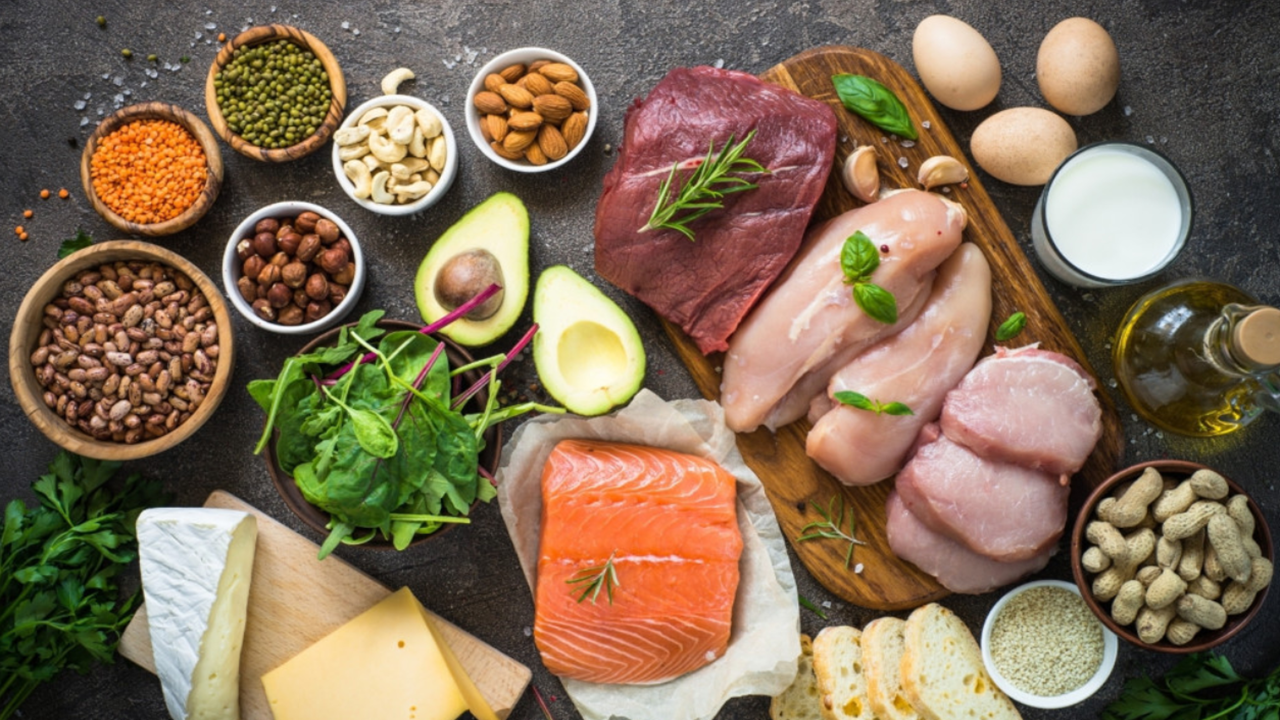
Looking to learn about how plant-based proteins stack up against animal-based proteins? In this comparison, we'll explore the nutritional value, amino acids, digestibility, environmental impact, and health benefits, as well as the cost, availability, taste, and cooking methods of these protein sources.
Whether you're considering a shift in your diet or simply curious about the differences, understanding the unique characteristics of plant-based and animal-based proteins can help you make informed choices for your health and the environment.
Summary of Article
Key Takeaways
- Plant-based proteins often contain higher amounts of fiber and essential nutrients
- Consuming a variety of plant-based protein sources can still provide all essential amino acids
- Plant-based proteins generally have lower digestibility due to anti-nutritional factors
- Plant-based protein sources have a considerably lower environmental impact
Nutritional Value
When comparing the nutritional value of plant-based proteins to animal-based proteins, you may find that plant-based proteins often contain higher amounts of fiber and essential nutrients. Legumes, nuts, seeds, and soy are excellent protein sources rich in fiber, vitamins, and minerals. These plant-based proteins contribute to meeting dietary requirements and offer numerous health benefits.
On the other hand, animal-based proteins like meat, eggs, and dairy products provide essential amino acids necessary for muscle growth and repair. However, they're often higher in saturated fats and cholesterol.
It's important to maintain a balanced approach to incorporating both plant-based and animal-based proteins into your diet to ensure meeting all your dietary requirements. Understanding the nutritional differences between the two protein sources can help you make informed choices for a well-rounded and nourishing diet.
Amino Acids
How do plant-based proteins and animal-based proteins differ in their amino acid profiles?
Amino acids are the building blocks of proteins and are essential for various bodily functions, including protein synthesis and muscle repair.
Plant-based proteins typically have lower levels of certain essential amino acids such as lysine, methionine, and tryptophan compared to animal-based proteins.
However, by consuming a variety of plant-based protein sources, you can still obtain all the essential amino acids your body needs for optimal health. Legumes, grains, nuts, and seeds are some examples of complementary plant-based proteins that, when combined, provide a complete amino acid profile.
On the other hand, animal-based proteins generally contain all the essential amino acids in adequate amounts, making them particularly beneficial for muscle repair and protein synthesis.

Digestibility
Plant-based proteins generally have lower digestibility compared to animal-based proteins. This is due to the presence of anti-nutritional factors such as phytates and tannins in plant protein sources, which can inhibit the absorption of nutrients. Additionally, some plant proteins, like those from legumes, may contain certain compounds that aren't easily digestible by the human body.
On the other hand, animal-based proteins are generally more easily digestible due to their higher bioavailability and lower content of anti-nutritional factors. However, it's important to note that digestibility can vary among different protein sources within each category.
When considering digestibility, individuals with dietary restrictions, such as vegans or those with lactose intolerance, should carefully select plant-based or animal-based protein sources that align with their dietary needs and preferences.
Environmental Impact
Considering the environmental impact, you should be aware that animal-based proteins generally require more resources and contribute to higher greenhouse gas emissions compared to plant-based proteins.
Livestock farming, for example, demands vast amounts of land, water, and feed, leading to a substantial carbon footprint.
On the other hand, plant-based protein sources such as legumes, nuts, and seeds have a considerably lower environmental impact.
Additionally, many companies are implementing sustainability initiatives to reduce the environmental burden of animal-based protein production. These initiatives focus on improving feed efficiency, reducing methane emissions, and implementing waste management practices.
While both types of proteins are essential for a balanced diet, it's important to consider the environmental implications of our dietary choices and support sustainable practices for the well-being of the planet.
Health Benefits
When it comes to health benefits, you may find that plant-based proteins offer numerous advantages over their animal-based counterparts. Benefit comparison studies have shown that plant-based protein sources, such as legumes, nuts, and seeds, contain higher levels of fiber and essential nutrients, including vitamins, minerals, and antioxidants. These components are linked to a reduced risk of chronic diseases such as heart disease, diabetes, and certain types of cancer.
Additionally, plant-based proteins are generally lower in saturated fats and cholesterol, which can contribute to improved cardiovascular health. On the other hand, animal-based proteins, while rich in essential amino acids, have been associated with an increased risk of cardiovascular issues and certain cancers.
It's important to note that the key to reaping the health benefits lies in a balanced and varied diet, incorporating a mix of protein sources.
Cost, Availability, Taste, and Cooking Methods
You may also consider the cost, availability, taste, and cooking methods of both plant-based and animal-based proteins.

Plant-based proteins tend to be more cost-effective compared to animal-based proteins, especially when considering staples like beans, lentils, and tofu. However, the cost comparison may vary depending on the specific type and brand of product.
In terms of availability, both plant-based and animal-based proteins are widely accessible in most grocery stores.
When it comes to taste, plant-based proteins offer a wide variety of flavors and textures, and with the right cooking methods, they can be just as delicious as animal-based proteins.
Cooking methods for plant-based proteins often involve methods such as marinating, grilling, or baking to enhance flavor and texture while preserving their high protein content.
Frequently Asked Questions
Can Plant-Based Proteins Provide All the Essential Amino Acids That Animal-Based Proteins Do?
Yes, plant-based proteins can provide all the essential amino acids that animal-based proteins do. Protein quality and amino acids in plant-based proteins vary, but with a diverse diet, you can obtain all essential amino acids.
Digestibility and cooking methods also play a role in maximizing protein absorption. By combining different plant protein sources, you can ensure you meet all essential amino acid requirements, making them a suitable alternative to animal-based proteins.
Are There Any Specific Cooking Methods That Enhance the Digestibility of Plant-Based Proteins?
To enhance the digestibility of plant-based proteins, consider culinary techniques like soaking, sprouting, and fermenting. These methods help break down anti-nutrients, making the proteins more accessible for digestion.
How Do Plant-Based Proteins Compare to Animal-Based Proteins in Terms of Their Impact on Greenhouse Gas Emissions?
When it comes to the impact on the environment, plant-based proteins generally have lower greenhouse gas emissions compared to animal-based proteins. This is due to the resource-intensive nature of animal agriculture.
Additionally, plant-based proteins offer comparable nutritional value to their animal-based counterparts, making them a sustainable and healthy choice.
It's important to consider the overall environmental impact and nutritional benefits when making dietary choices.
Are There Any Health Benefits Unique to Plant-Based Proteins That Are Not Typically Found in Animal-Based Proteins?
When it comes to unique health benefits, plant-based proteins offer a wide range of nutrient diversity and digestive advantages. They often contain higher levels of fiber, antioxidants, and other essential nutrients not typically found in animal-based proteins.
Additionally, plant-based proteins can be utilized in various culinary techniques, providing a versatile and flavorful approach to incorporating protein into your diet.
Can Plant-Based Proteins Be Cost-Effective and Readily Available as Animal-Based Proteins in All Regions of the World?
In many regions, plant-based proteins can be as cost-effective and readily available as animal-based proteins. They're like seeds scattered across various landscapes, flourishing in diverse conditions.
Global availability and cost-effectiveness are influenced by factors such as agricultural practices, trade, and infrastructure. However, it's essential to consider nutritional value and accessibility to ensure a balanced approach.
Understanding regional variations in food systems is crucial for promoting sustainable and equitable protein sources.
Conclusion
In conclusion, plant-based proteins can provide comparable nutritional value and essential amino acids as animal-based proteins. They're also more easily digestible and have a lower environmental impact.
A study found that producing plant-based proteins generates 10 times less greenhouse gas emissions compared to animal-based proteins.
With the added health benefits and lower cost, plant-based proteins offer a sustainable and nutritious alternative to animal-based proteins.
Statistics
- Flaxseeds, a plant-based protein, are rich in omega-3 fatty acids, which are beneficial for heart health.
- Plant-based proteins provide a more sustainable source of nutrition, requiring less land, water, and resources.
- Replacing animal-based proteins with plant-based proteins may help to lower blood pressure levels.
- Consuming a diet rich in plant-based proteins can help to support a healthy gut microbiome.
- Studies suggest that a plant-based diet can reduce the risk of chronic diseases, such as heart disease and diabetes.
- Green peas, a plant-based protein, are a good source of vitamin K, which is crucial for blood clotting and bone health.
- Switching to plant-based proteins can help reduce the carbon footprint and combat climate change.
- Plant-based proteins have been found to improve athletic performance and enhance muscle recovery.
- Plant-based proteins, such as chickpeas and quinoa, offer a complete protein profile that is comparable to animal-based sources.
- Plant-based proteins, such as hemp seeds and quinoa, are gluten-free, making them suitable for those with gluten intolerance or celiac disease.
External Links
- Centers for Disease Control and Prevention (CDC) - The CDC provides information on getting enough protein in our diet, including the benefits of both plant and animal sources and how to make healthier protein choices.
- Frontiers in Nutrition - This scientific article investigates the health and environmental benefits of plant-based proteins in comparison to animal-based proteins and their potential role in sustainable diets.
- Physicians Committee for Responsible Medicine - The Physicians Committee for Responsible Medicine examines the health effects of dairy products and encourages plant-based alternatives as a healthier choice for protein intake.
- Physicians Committee for Responsible Medicine - The Physicians Committee for Responsible Medicine shares information on the health concerns related to consuming flesh-based foods, advocating for plant-based protein choices.
- EatingWell - EatingWell offers 10 healthy stand-ins for fish, providing plant-based protein alternatives that can be used in recipes to replace animal-based proteins.
- Elsevier - This scientific article explores the environmental impacts of plant-based proteins versus animal-based proteins, highlighting the sustainability aspects of choosing plant proteins.
- Harvard T.H. Chan School of Public Health - Harvard provides a comprehensive guide to protein, including a discussion on plant-based protein sources and their comparison to animal-based options.
- Academy of Nutrition and Dietetics - The Academy of Nutrition and Dietetics explains the role of protein in our diet, including the comparison between plant-based and animal-based protein sources.
- Mayo Clinic - Mayo Clinic offers expert answers on plant-based protein diets, highlighting the benefits and potential considerations for individuals looking to incorporate more plant proteins into their diet.
- Harvard Health Blog - Harvard Health Blog explores the question of whether animal protein is better for you than plant protein, providing evidence-based insights and considerations for choosing protein sources.
How To
How to Choose Between Plant-Based Proteins and Animal-Based Proteins
Choosing between plant-based proteins and animal-based proteins depends on various factors, including personal preferences, health goals, and dietary restrictions. If you're looking to reduce your intake of saturated fat and cholesterol, plant-based proteins may be a more suitable option, as they generally have lower levels of these nutrients compared to animal proteins. Plant-based proteins also offer the advantage of being high in dietary fiber, which can promote feelings of fullness and support digestive health. Animal-based proteins, on the other hand, are often rich in essential nutrients like vitamin B12, iron, and omega-3 fatty acids. If you follow a vegetarian or vegan diet, plant-based proteins can provide all the necessary amino acids by combining different sources. Consider experimenting with both plant-based and animal-based protein sources to find a balanced approach that aligns with your nutritional needs and preferences.


.jpeg)
.png)


.png)