


You've probably heard the saying “You are what you eat.” When it comes to cancer prevention, this rings especially true.
Consider this: a plant-based diet is like a shield for your body, protecting it from the harmful effects of cancer. By choosing to fill your plate with colorful fruits, vegetables, whole grains, and legumes, you are providing your body with powerful antioxidants, phytochemicals, and nutrients that actively work to prevent cancer.
These plant-based foods not only nourish your body, but also help to starve cancer cells, reduce inflammation, and support your immune system in its fight against cancer. It's a proactive and delicious way to take charge of your health.
Article Essentials
Key Takeaways
- Plant-based diets inhibit cancer cell growth.
- Plant-based diets support the immune system.
- Phytochemicals in plant-based foods aid in DNA damage prevention and repair.
- Plant-based diets play a role in reducing oxidative stress and promoting apoptosis.
Mechanisms of Cancer Prevention
By consuming a plant-based diet, you can reduce your risk of cancer through the inhibition of cancer cell growth and the promotion of apoptosis.
Plant-based foods are rich in phytonutrients, which have been shown to support your immune system in recognizing and attacking abnormal cells, thus helping to prevent the development of cancer.
Additionally, the anti-inflammatory properties of many plant foods aid in inflammation regulation, which is crucial in cancer prevention as chronic inflammation can contribute to the growth and spread of cancer.
Impact on Cancer Cells
A plant-based diet can directly impact cancer cells by providing your body with essential nutrients and compounds that support the immune system and regulate inflammation.
Research suggests that certain plant-based foods contain phytochemicals, such as flavonoids and carotenoids, which have been shown to inhibit cancer cell proliferation and reduce tumor growth.
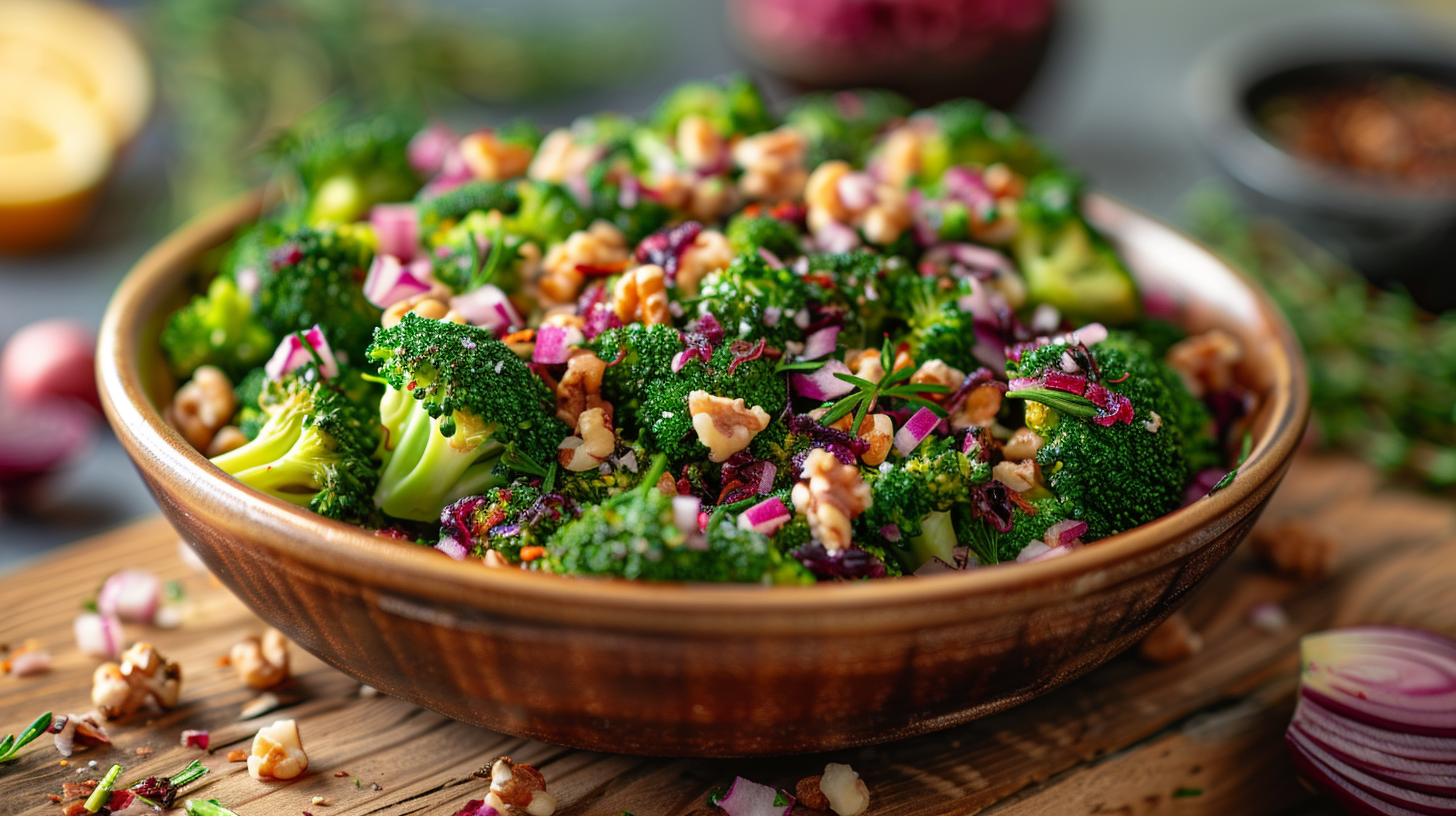
For example, the compound sulforaphane, found in cruciferous vegetables like broccoli, has been found to have anti-cancer effects by targeting and inhibiting the growth of cancer cells.
Additionally, the high fiber content in plant-based foods can help regulate hormone levels, reduce oxidative stress, and promote healthy gut bacteria, all of which contribute to a lower risk of cancer development and progression.
DNA Damage Prevention
To prevent DNA damage while following a plant-based diet, prioritize consuming foods rich in antioxidants and phytochemicals.
Antioxidants, such as vitamins C and E, help neutralize free radicals, which can cause mutations in DNA.
Phytochemicals, found in fruits, vegetables, nuts, and whole grains, have been shown to support DNA repair mechanisms and prevent mutations.
For instance, the compound sulforaphane, present in cruciferous vegetables like broccoli and kale, aids in repairing DNA damage caused by environmental stressors.
Additionally, the abundance of fiber in plant-based foods supports the body's natural detoxification processes, which can help eliminate substances that may induce DNA damage.
Role in Reducing Oxidative Stress
Incorporating a plant-based diet rich in antioxidants and phytochemicals can help reduce oxidative stress, a major contributor to DNA damage and cancer development.
Antioxidant compounds found in fruits, vegetables, nuts, and seeds play a crucial role in cellular protection against oxidative damage caused by free radicals. These compounds help neutralize free radicals, preventing them from causing harm to the cells.
By reducing oxidative stress, a plant-based diet can help lower the risk of DNA damage and mutations that can lead to cancer development. Research suggests that the abundance of antioxidant-rich foods in a plant-based diet offers significant protection against oxidative stress, making it an important dietary choice for cancer prevention.
Making these dietary changes can positively impact your overall health and reduce the risk of cancer.
Influence on Angiogenesis and Apoptosis
By including a variety of plant-based foods in your diet, you can actively influence the processes of angiogenesis and apoptosis, contributing to a lower risk of cancer development.

Angiogenesis regulation, the formation of new blood vessels, plays a crucial role in tumor growth and metastasis. Plant-based foods contain natural compounds such as resveratrol in grapes and genistein in soy products, which have been shown to inhibit the process of angiogenesis, thereby limiting the blood supply to tumors and impeding their growth.
Additionally, these foods contain phytochemicals like sulforaphane in cruciferous vegetables, which can induce apoptosis, the programmed cell death of cancer cells. By promoting apoptosis, plant-based diets help to eliminate abnormal cells and prevent their uncontrolled growth, thereby reducing the risk of cancer.
Incorporating these foods into your diet can have a substantial impact on these critical biological processes.
Frequently Asked Questions
How Can a Plant-Based Diet Specifically Target and Prevent Different Types of Cancer?
Eating a plant-based diet can contribute to cancer prevention by providing dietary phytochemicals, which have been shown to have anti-cancer properties. These compounds can specifically target and prevent different types of cancer by regulating the immune system and inhibiting the growth of cancer cells.
Are There Specific Foods or Nutrients in a Plant-Based Diet That Have a Greater Impact on Preventing Cancer?
You want to know if specific nutrients in a plant-based diet have a greater impact on preventing cancer.
Certain plant foods like cruciferous vegetables, berries, and leafy greens are rich in antioxidants, vitamins, and phytochemicals known for their protective effects against cancer.
These nutrients work together to inhibit the growth of cancer cells and reduce inflammation in the body, making a plant-based diet a powerful tool in cancer prevention.
Can a Plant-Based Diet Help Repair Damaged DNA and Reduce the Risk of Mutations Leading to Cancer?
A plant-based diet can aid in repairing DNA and reducing the risk of mutations leading to cancer.
Certain nutrients in plant-based foods, like antioxidants and phytochemicals, have been shown to support DNA repair mechanisms and prevent mutations.
How Does the Consumption of Plant-Based Foods Help to Reduce Oxidative Stress in the Body and Prevent Cancer Development?
Eating plant-based foods can help reduce oxidative stress in your body. These foods are rich in antioxidants, which combat harmful free radicals and reduce inflammation. This can prevent damage to your cells and DNA, potentially lowering your risk of cancer.
What Role Does a Plant-Based Diet Play in Inhibiting the Growth of Blood Vessels to Tumors and Promoting Programmed Cell Death in Cancer Cells?
Inhibiting the growth of blood vessels to tumors and promoting programmed cell death in cancer cells are pivotal roles of a plant-based diet.
Angiogenesis inhibitors in plant foods help stop the formation of new blood vessels that tumors need to grow.
Additionally, the mechanisms of apoptosis induction in plant-based foods encourage cancer cells to self-destruct.
These combined actions demonstrate the powerful impact of a plant-based diet in preventing cancer development.
Conclusion
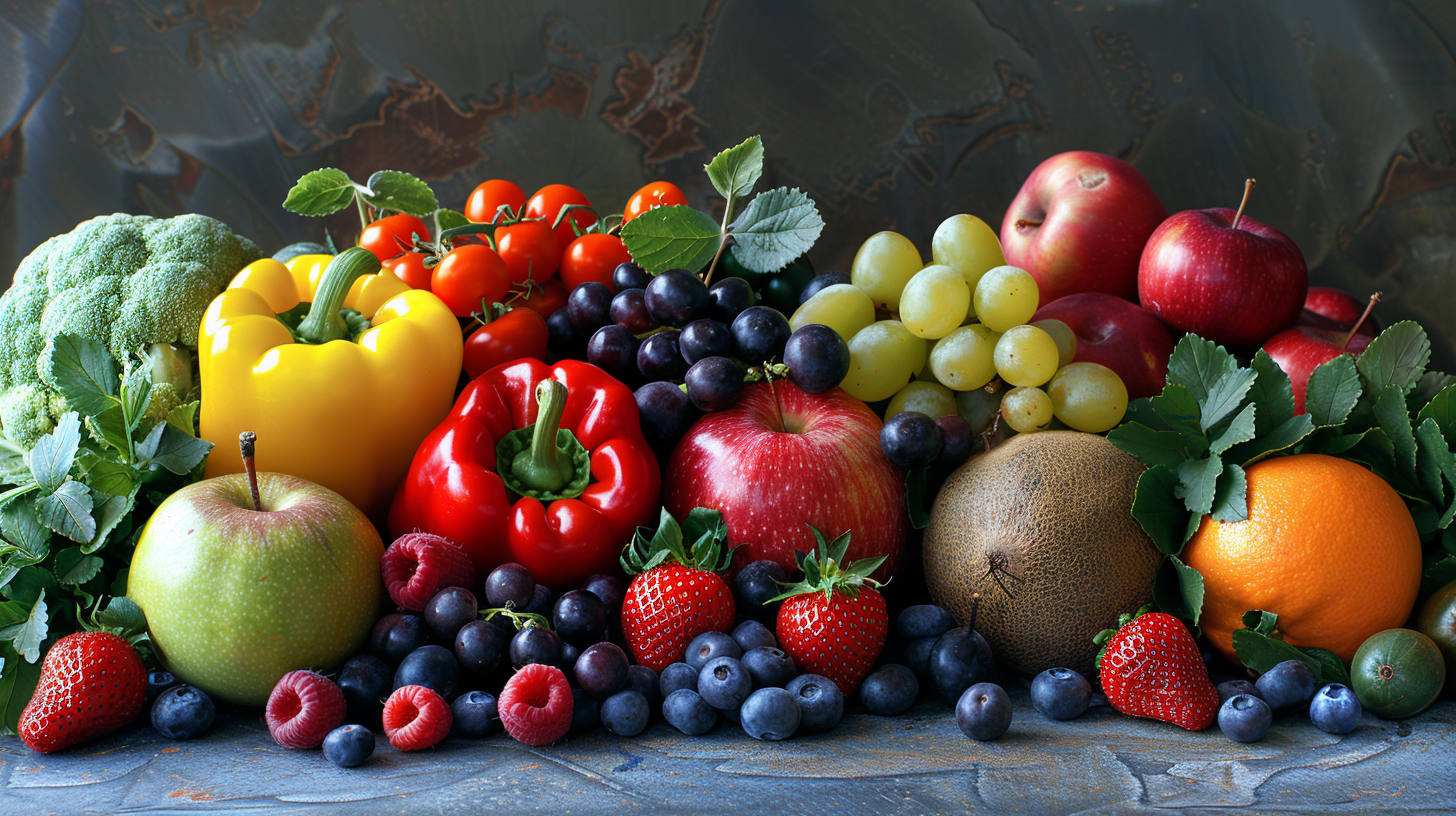
Congratulations! You've learned how a plant-based diet can be a powerful weapon against cancer. By fueling your body with plant-based foods, you're like a gardener tending to a beautiful, thriving garden, nurturing your health and well-being.
With the ability to prevent DNA damage, reduce oxidative stress, and influence angiogenesis and apoptosis, a plant-based diet is your natural defense against cancer.
So, go ahead and savor those vibrant fruits and vegetables, knowing you're taking a proactive step in protecting your health.
Statistics
- The fiber found in plant-based foods helps to remove toxins from the body, reducing the risk of cancer.
- Plant-based diets are associated with a lower risk of obesity, a condition that is linked to an increased risk of developing cancer.
- Choosing plant-based proteins, such as legumes and tofu, instead of animal proteins can help reduce the risk of cancer.
- Eating a plant-based diet can provide the body with important vitamins and minerals that help support a strong immune system, which plays a key role in preventing cancer.
- Plant-based diets are rich in fiber, which can aid in digestion and reduce the risk of colorectal cancer.
- Plant-based diets are high in phytoestrogens, which are compounds that have been shown to help prevent certain cancers, such as breast and ovarian cancer.
- A plant-based diet can help to reduce the risk of cancer recurrence and improve overall survival rates in cancer patients.
- Plant-based diets are typically higher in antioxidants, which can help protect the body's cells from damage that can lead to cancer.
- A plant-based diet can help to reduce inflammation in the body, which is a key factor in cancer prevention.
- Studies have found that a plant-based diet may reduce the risk of developing certain cancers, such as breast, colon, and prostate cancer.
External Links
- The National Cancer Institute offers a comprehensive overview of the link between diet and cancer, including the role of plant-based diets.
- Nature publishes a scientific study on the effects of a plant-based diet on cancer prevention and treatment.
- The American Institute for Cancer Research provides evidence-based information on the link between plant foods and cancer risk.
- The National Cancer Institute provides a fact sheet on plant-based foods and their potential role in cancer prevention.
- The National Library of Medicine publishes a research paper on the effects of plant-based diets on cancer prevention and treatment.
- Mayo Clinic discusses the concept of superfoods and how they can play a role in preventing cancer.
- Cancer Research UK explains how healthy eating, including a plant-based diet, can help prevent cancer.
- The Oncology Nutrition Dietetic Practice Group answers questions about whether a plant-based diet is suitable for cancer patients.
- WebMD offers tips on how to get the nutrients you need on a vegetarian or plant-based diet.
- ScienceDirect publishes a review article on the role of nutrition, including a plant-based diet, in cancer prevention and treatment.
How To
How to Maintain a Healthy Weight on a Plant-Based Diet
Maintaining a healthy weight is important for cancer prevention, and a plant-based diet can help you achieve that. To support a healthy weight, focus on consuming whole foods and minimizing processed snacks and desserts. Fill your plate with a balance of fruits, vegetables, whole grains, and plant-based proteins. Portion control is key, so listen to your body's hunger and fullness cues. Incorporate regular exercise into your routine to complement your plant-based diet and support a healthy weight. Remember, a healthy weight not only lowers your risk of cancer but also helps to boost overall well-being.

.jpeg)
.png)


.png)