


Feeding your body with fiber is like giving your digestive system a supportive team. A high-fiber diet can work wonders for your digestive health. It helps to keep things moving smoothly, adds bulk to your stool, and prevents constipation.
Not only that, but it also aids in digestion and supports the growth of beneficial gut bacteria. With a high-fiber diet, you can reduce inflammation in your digestive tract, which can lead to a happier gut overall.
So, if you're looking for a simple way to boost your digestive health, incorporating more fiber into your diet is a great place to start.
Brief Article Overview
Key Takeaways
- A high-fiber diet increases stool bulk and promotes regular bowel movements.
- Hydration is important for the effectiveness of fiber in promoting digestive regularity.
- High-fiber intake prevents constipation by adding bulk to stool.
- A high-fiber diet aids digestion, supports nutrient absorption, and reduces the risk of digestive issues.
Increases Stool Bulk

By consuming a high-fiber diet, you can increase the bulk of your stool, which can promote regular and healthy bowel movements.
Dietary fiber benefits your digestive system by adding bulk to your stool, making it easier to pass through your intestines. This helps prevent constipation and promotes overall digestive health.
Fiber-rich foods such as fruits, vegetables, whole grains, and legumes are essential for maintaining healthy digestion. These foods not only provide the necessary fiber for increasing stool bulk but also offer essential vitamins, minerals, and antioxidants that support your overall well-being.
By incorporating these fiber-rich foods into your diet, you can ensure that your digestive system functions optimally, promoting regularity and preventing discomfort associated with irregular bowel movements.
Making these dietary changes can significantly improve your digestive health and overall quality of life.
Promotes Regular Bowel Movements
To maintain regular and healthy bowel movements, you should aim to consume a high-fiber diet that increases stool bulk and promotes overall digestive health. Fiber supplements can also aid in promoting regular bowel movements, especially for individuals who struggle to meet their daily fiber needs through diet alone. These supplements provide a concentrated source of fiber, helping to support digestive regularity.
However, it's important to remember that hydration plays a vital role in the effectiveness of fiber. When increasing your fiber intake, ensure that you also drink plenty of water to help the fiber move through your digestive system smoothly. Adequate hydration can prevent constipation and discomfort, working synergistically with fiber to promote regular and healthy bowel movements.
Prevents Constipation
Increasing your fiber intake helps prevent constipation by adding bulk to your stool and promoting regular bowel movements. Fiber supplements, such as psyllium or methylcellulose, can also be beneficial in treating and preventing constipation. These supplements work by absorbing water and adding bulk to the stool, making it easier to pass.
However, it's important to remember that hydration is key when increasing your fiber intake. Fiber draws water into the intestines, so without proper hydration, it can have the opposite effect and lead to constipation. Therefore, make sure to drink plenty of water throughout the day to support the positive effects of fiber on your digestive system.
Aids in Digestion
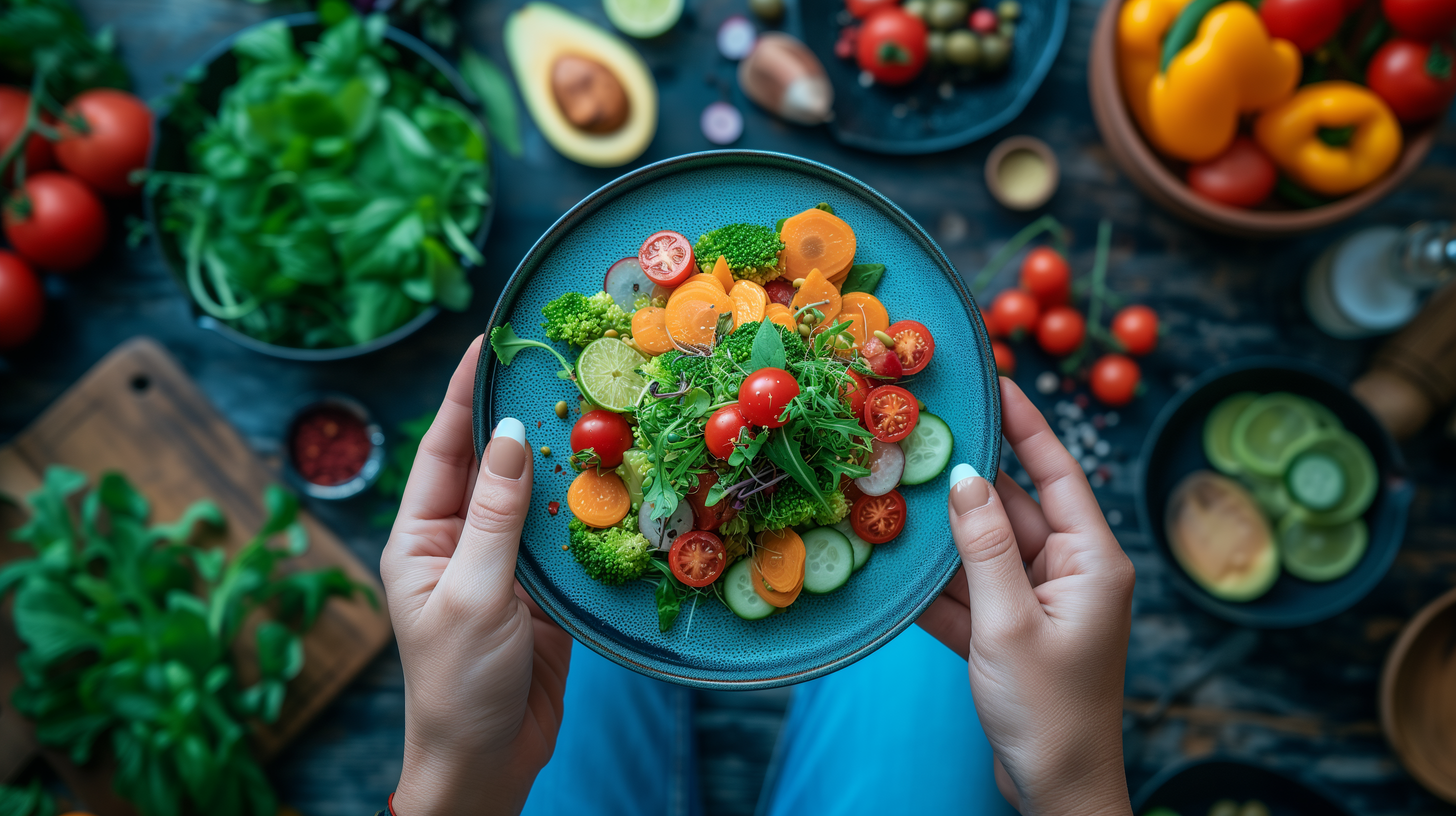
When you consume a high-fiber diet, it aids in digestion by promoting the movement of food through your digestive system. This helps prevent constipation and keeps your digestive system running smoothly.
Additionally, a high-fiber diet improves gut health by supporting the growth of healthy gut bacteria, which play a crucial role in digestion. The improved gut health also enhances nutrient absorption, ensuring that your body can effectively utilize the vitamins and minerals present in the food you consume.
By aiding in digestion and enhancing nutrient absorption, a high-fiber diet contributes to overall digestive health and can reduce the risk of various digestive issues.
Therefore, incorporating plenty of fiber-rich foods into your diet is essential for maintaining a healthy and efficient digestive system.
Supports the Growth of Beneficial Gut Bacteria
By including fiber-rich foods in your diet, you support the growth of beneficial gut bacteria, essential for maintaining digestive health. These bacteria play a crucial role in promoting gut health and boosting immunity.
When beneficial gut bacteria flourish, they help in breaking down and fermenting fiber, producing short-chain fatty acids that nourish the cells lining the colon. This process not only aids in digestion but also supports the overall health of the digestive system.
Additionally, a healthy balance of gut bacteria can enhance the body's immune response, protecting you from harmful pathogens and reducing the risk of digestive disorders.
Ensuring the presence of these beneficial bacteria through a high-fiber diet is a proactive approach to maintaining optimal digestive function and overall well-being.
Reduces Inflammation in the Digestive Tract
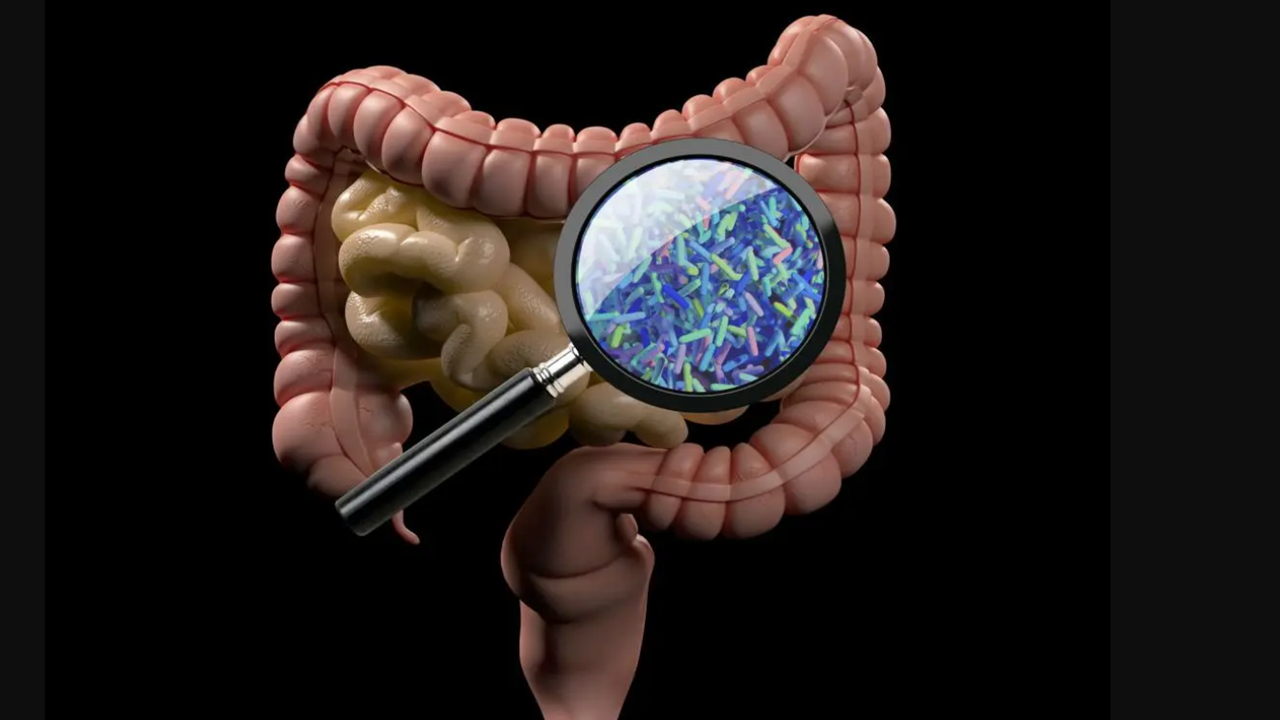
Including high-fiber foods in your diet can reduce inflammation in your digestive tract, supporting overall digestive health. Fiber helps to reduce bloating and discomfort by promoting regular bowel movements and preventing constipation, which can contribute to inflammation.
Additionally, a high-fiber diet supports the growth of beneficial gut bacteria, which play a crucial role in reducing inflammation and maintaining a healthy digestive system.
Frequently Asked Questions
Can a High-Fiber Diet Help With Conditions Like Irritable Bowel Syndrome (IBS) or Crohn's Disease?
A high-fiber diet can be beneficial for conditions like irritable bowel syndrome (IBS) or Crohn's disease. It helps regulate your digestive system and supports gut health.
By incorporating more fiber into your diet, you can improve your gut microbiota, which in turn can alleviate symptoms of IBS and Crohn's disease.
Additionally, a high-fiber diet can aid in weight management, helping you maintain a healthy weight and potentially reducing the risk of certain digestive conditions.
What Are Some Common Sources of Soluble Fiber That Can Be Easily Incorporated Into a Daily Diet?
Incorporating fiber supplements into your daily routine can significantly boost your fiber intake.
For example, chia seeds and flaxseeds are excellent sources of soluble fiber and can be easily added to smoothies, oatmeal, or yogurt.
Additionally, fiber-rich recipes like lentil soup or quinoa salad provide a tasty way to increase your fiber consumption.
Making small changes like these can have a big impact on your digestive health.
Are There Any Potential Side Effects of Suddenly Increasing Fiber Intake, Such as Bloating or Gas?

If you suddenly increase your fiber intake, you might experience bloating or gas. It's common when starting fiber supplements or increasing fiber for weight loss. Your body needs time to adjust to the change, so it's best to do it gradually.
Drinking plenty of water and incorporating fiber-rich foods can help minimize these side effects. Over time, your body will adapt, and you'll experience the benefits of a high-fiber diet without the discomfort.
How Does a High-Fiber Diet Impact Nutrient Absorption in the Digestive System?
A high-fiber diet can positively impact metabolism and gut microbiota.
It can enhance nutrient absorption by slowing down the digestion process, allowing for better absorption of nutrients.
Additionally, fiber can promote the growth of beneficial bacteria in the gut, which further aids in nutrient absorption and overall digestive health.
Can a High-Fiber Diet Help in Managing or Preventing Conditions Like Diverticulitis or Hemorrhoids?
Eating a high-fiber diet can benefit those with diverticulitis by promoting regularity and reducing pressure in the colon. This can help manage symptoms and prevent flare-ups.
Additionally, a fiber-rich diet can aid in preventing hemorrhoids by softening stools and easing bowel movements, reducing the strain on the rectum.
Incorporating plenty of fiber into your meals can play a significant role in managing and preventing these conditions.
Conclusion

So, in conclusion, a high-fiber diet is like a broom for your digestive system, sweeping away waste and keeping everything running smoothly.
It increases stool bulk, promotes regular bowel movements, prevents constipation, aids in digestion, supports good gut bacteria, and reduces inflammation.
By incorporating more fiber into your diet, you're giving your digestive system the tools it needs to stay healthy and happy.
So go ahead, grab that broom, and give your gut some love!
Statistics
- Choosing whole grains, such as quinoa and brown rice, over refined grains can help lower the risk of cancer.
- Eating a plant-based diet can provide the body with important vitamins and minerals that help support a strong immune system, which plays a key role in preventing cancer.
- Plant-based diets are rich in fiber, which can aid in digestion and reduce the risk of colorectal cancer.
- The antioxidants found in plant-based foods help to neutralize free radicals in the body, which can cause damage to cells and lead to cancer.
- The high levels of phytochemicals in plant-based foods have been shown to have anti-cancer properties.
- Eating a variety of plant-based foods can help to promote a healthy weight, which is a key factor in cancer prevention.
- Plant-based diets have been shown to lower the risk of developing cancer.
- The fiber found in plant-based foods helps to remove toxins from the body, reducing the risk of cancer.
- Consuming fruits and vegetables can provide essential nutrients and antioxidants that help prevent cancer.
- A plant-based diet can help to reduce inflammation in the body, which is a key factor in cancer prevention.
External Links
- The American Cancer Society provides information on how a plant-based diet can help prevent cancer.
- The National Center for Biotechnology Information shares a research paper on the benefits of plant-based diets in reducing cancer risk.
- The Oncology Nutrition Dietetic Practice Group answers questions about whether a plant-based diet is suitable for cancer patients.
- The Physicians Committee for Responsible Medicine offers tips on how to protect yourself against cancer with a plant-based diet.
- The American Institute for Cancer Research provides evidence-based information on the link between plant foods and cancer risk.
- The Journal of Cancer Prevention examines the evidence behind the role of plant-based diets in cancer prevention and control.
- Healthline lists 11 plants that have been shown to help fight cancer and provides ideas on how to incorporate them into your diet.
- Cancer Research UK explains how healthy eating, including a plant-based diet, can help prevent cancer.
- Macmillan Cancer Support provides information on plant-based diets for people living with and beyond cancer.
- The World Journal of Clinical Cases highlights the benefits of plant-based diets in preventing cancer and supporting cancer treatment.
How To
How to Boost Antioxidant Intake through Plant-Based Foods
Antioxidants are powerful compounds found in plant-based foods that help to protect our cells from damage. To boost your antioxidant intake, incorporate a variety of colorful fruits and vegetables into your diet. Berries, such as blueberries, strawberries, and raspberries, are particularly rich in antioxidants. Leafy greens like spinach or kale are also packed with antioxidants. Additionally, foods like sweet potatoes, bell peppers, and tomatoes are great sources. Include these foods in your meals and snacks to maximize your antioxidant intake and give your body extra protection against cancer.


.jpeg)
.png)


.png)