

These recipes are crafted to provide you with a delectable way to support your body's natural balance using nutrient-rich, whole ingredients.
From vibrant smoothies to savory stir-fries and satisfying snacks, each recipe is tailored to promote hormone health and overall well-being.
With a focus on fresh, wholesome foods, these recipes offer a tasty and nourishing approach to supporting your body's hormonal equilibrium.
Whether you're seeking to enhance energy levels, stabilize mood, or improve overall health, these hormone-balancing recipes are designed to tantalize your taste buds while supporting your body from within.
Summary of Article
Key Takeaways
- Hormone-balancing recipes include ingredients that support hormone production and regulation.
- Omega-3 fatty acids from sources like flaxseeds and salmon are important for hormone balance.
- Antioxidants and phytonutrients found in ingredients like berries and colorful vegetables contribute to overall hormonal health.
- Hormone-balancing recipes provide essential nutrients and promote overall health and well-being.
Hormone-Balancing Smoothie
Create a hormone-balancing smoothie by blending nutritious ingredients that support your body's natural hormone balance.
Nutrient-packed ingredients like flaxseeds, which are rich in omega-3 fatty acids, can help regulate hormone production and reduce inflammation.
Add in leafy greens such as kale or spinach, which contain vitamins and minerals that support overall hormonal health.
Berries like blueberries and strawberries are also beneficial due to their high levels of antioxidants, which can help reduce oxidative stress and support hormone function.
Including protein sources like Greek yogurt or plant-based protein powder can further aid in stabilizing blood sugar levels and promoting hormone balance.
Quinoa and Vegetable Stir-Fry
Enhance your hormone balance with a nourishing quinoa and vegetable stir-fry, packed with essential nutrients and flavor.
Quinoa, a complete protein, provides amino acids necessary for hormone production and regulation. Its high fiber content aids in estrogen metabolism, contributing to hormonal balance.
When preparing a stir-fry, consider using a variety of colorful vegetables such as bell peppers, broccoli, and carrots. These vibrant veggies offer phytonutrients that support hormonal health. To maximize the benefits, lightly cook the vegetables to retain their nutrients.
Incorporating flavor combinations like ginger, garlic, and low-sodium soy sauce can add depth to the dish without relying on heavy sauces. When stir-frying, opt for minimal oil and avoid overcooking to preserve the nutritional value of the ingredients.
Salmon With Avocado Salsa
Achieve hormone balance by incorporating salmon with avocado salsa into your diet, optimizing essential fatty acids and nutrient-rich avocados for overall hormonal health.
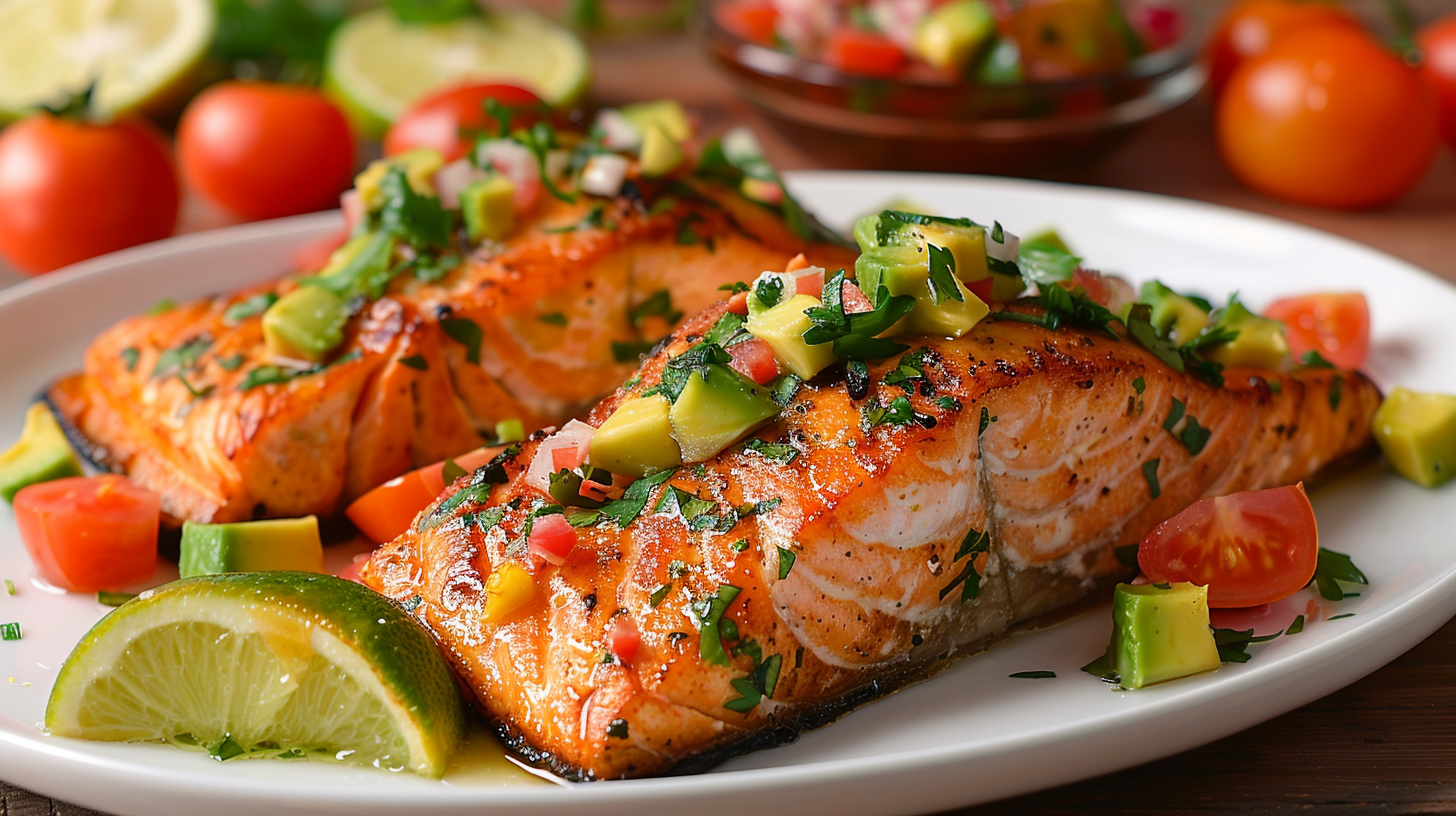
Salmon is a powerhouse of nutrition, packed with omega-3 fatty acids, protein, and vitamin D, all of which play a crucial role in hormone regulation. Omega-3 fatty acids help reduce inflammation and support brain health, which can positively impact hormonal balance.
Additionally, avocados offer numerous benefits for hormone health, as they're rich in monounsaturated fats, fiber, and potassium. These nutrients support cardiovascular health and may help regulate hormones.
The combination of salmon and avocado salsa not only creates a delicious and satisfying meal but also provides a nutrient-dense option for supporting hormone balance.
Incorporating this dish into your regular meal rotation can contribute to overall hormonal health and well-being.
Greek Yogurt Parfait With Berries
To begin supporting hormone balance, start your day with a nutritious Greek yogurt parfait topped with fresh berries. Greek yogurt is an excellent source of protein, which is essential for hormone production and regulation.
Berries, such as strawberries, blueberries, and raspberries, are packed with antioxidants that help combat inflammation and support overall hormonal health.
This parfait not only makes for a delicious breakfast option but also serves as a healthy snack or even a nutrient-packed dessert.
You can easily incorporate this recipe into your meal prep ideas by preparing multiple servings in advance for convenient grab-and-go options throughout the week.
Dark Chocolate and Walnut Energy Balls
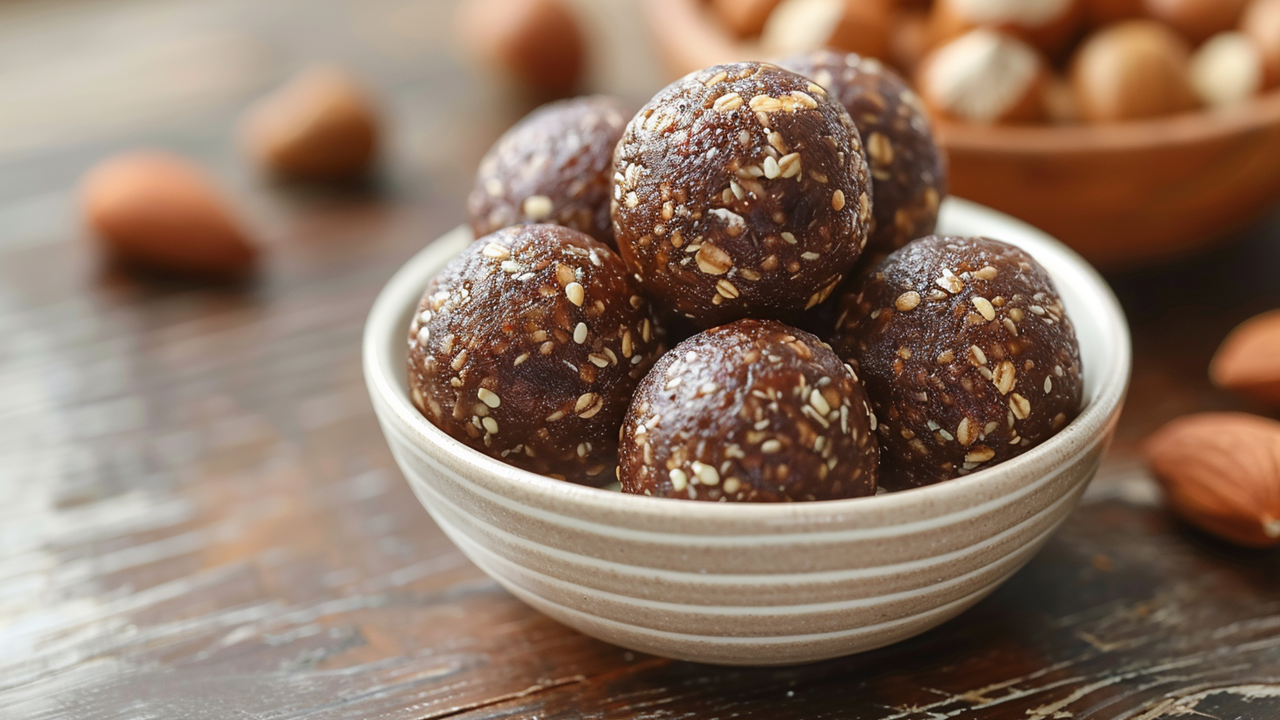
Start your day with a nutritious Greek yogurt parfait topped with fresh berries, and then move on to preparing delicious Dark Chocolate and Walnut Energy Balls for a satisfying and hormone-balancing snack.
These energy balls are a nutrient-packed snack that provides a boost of energy and essential nutrients. Dark chocolate is rich in antioxidants and may help lower stress levels, while walnuts are one of the healthiest nuts, providing healthy fat sources and omega-3 fatty acids that support hormone balance.
The combination of these ingredients makes for a satisfying and delicious snack that can help keep your energy levels steady throughout the day. By incorporating nutrient-dense foods like dark chocolate and walnuts into your diet, you can support your overall health and well-being while enjoying a tasty treat.
Spinach and Broccoli Salad
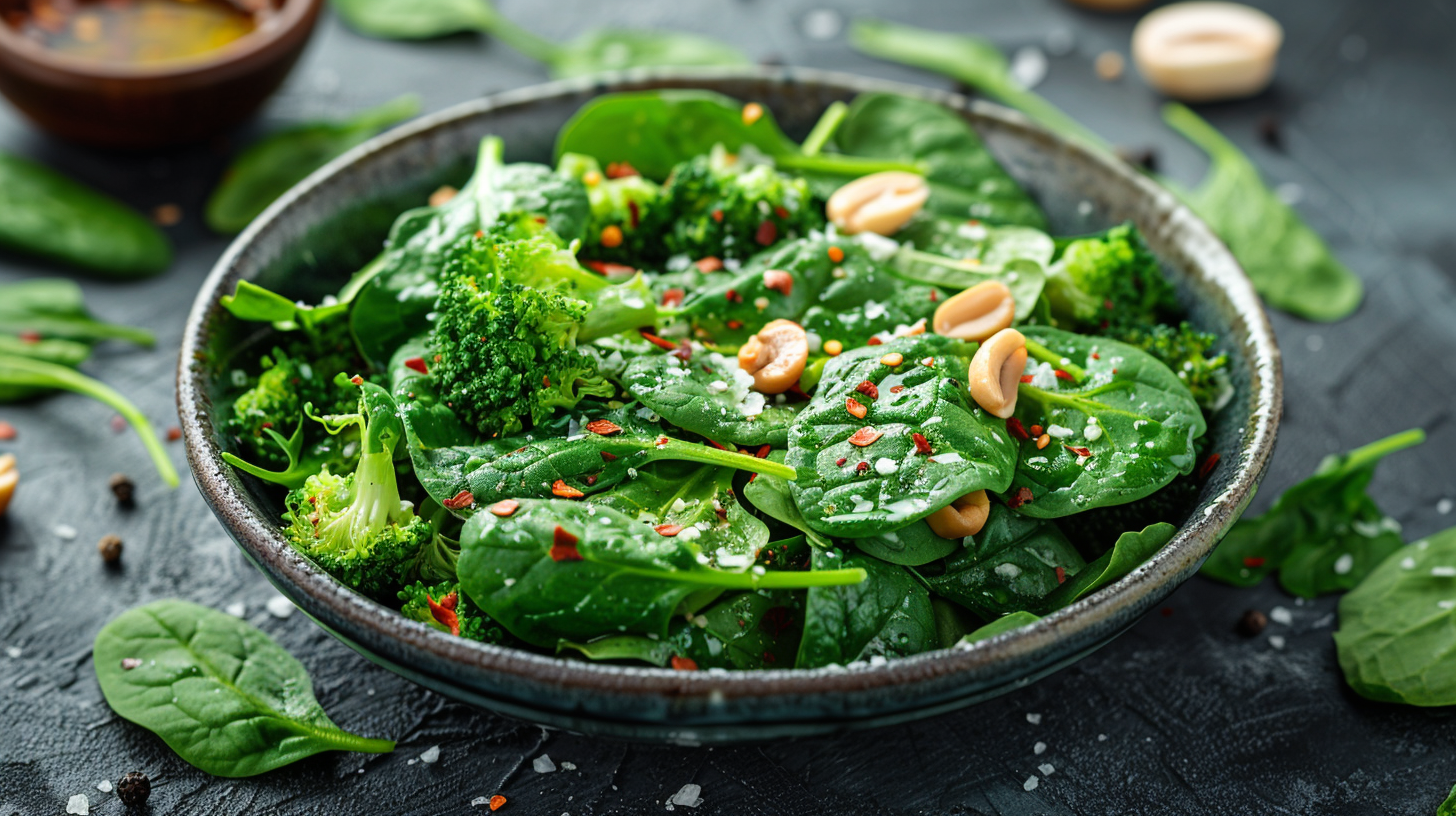
Enjoy a nutrient-packed Spinach and Broccoli Salad for a hormone-balancing meal that provides essential vitamins and minerals to support your overall health.
This salad option is packed with nutrient-packed greens, making it an excellent choice for anyone looking to boost their health. Spinach and broccoli are rich in vitamins A, C, and K, as well as folate, iron, and fiber. These nutrients play a crucial role in hormone regulation and overall well-being.
Including healthy salad options like this in your diet can help maintain a balanced hormonal system. To enhance the flavor and nutritional profile, consider adding other hormone-balancing ingredients such as avocados, nuts, and seeds.
This simple yet powerful salad can be a delicious and convenient way to support your health and hormonal balance.
Frequently Asked Questions
Are There Any Specific Foods to Avoid While Trying to Balance Hormones?
When aiming to balance hormones, it's important to steer clear of certain foods that can disrupt your hormone levels. Foods to avoid in a hormone-balancing diet include sugary treats, refined carbohydrates, and processed foods. These can spike insulin levels and lead to hormonal imbalances.
It's also wise to limit caffeine and alcohol consumption, as they can interfere with hormone regulation.
Opting for whole, nutrient-dense foods instead can help support balanced hormone levels.
Can These Recipes Help With Specific Hormone-Related Conditions, Such as PCOS or Menopause?
You bet these recipes can help with PCOS management and menopause relief! Ironically, the delicious whole foods you're enjoying can be working to balance your hormones, but it's true.
Ingredients like flaxseeds, turmeric, and leafy greens have been shown to support hormone regulation. Plus, these recipes often emphasize fiber, healthy fats, and lean proteins, all of which are beneficial for managing hormone-related conditions like PCOS and menopause.
How Often Should These Hormone-Balancing Recipes Be Consumed for Optimal Results?
For optimal hormone-balancing benefits, consume these recipes regularly. Frequency of consumption plays a key role in their hormone-balancing effectiveness. Incorporating these whole foods into your diet consistently can support your overall health and hormone balance.
Aim to include these recipes in your meal plans several times a week to experience their full benefits. Consistent consumption is essential for maximizing the hormone-balancing effects of these delicious whole foods.
Are There Any Potential Side Effects or Interactions With Medications to Be Aware of When Incorporating These Recipes Into a Diet?
When incorporating these recipes into your diet, it's important to be aware of potential interactions and medication warnings. Some ingredients in hormone-balancing recipes, such as herbs and certain supplements, may interact with medications or exacerbate certain medical conditions.
Always consult with a healthcare professional before making significant changes to your diet, especially if you're on medications or have underlying health concerns. It's crucial to prioritize your health and safety when trying out new recipes.
Can These Recipes Be Adapted for Specific Dietary Restrictions, Such as Vegan or Gluten-Free?
Adapting recipes for specific dietary restrictions like vegan or gluten-free is doable. You can easily swap animal products for plant-based alternatives in these hormone-balancing recipes, making them vegan-friendly.
And for those avoiding gluten, simply use gluten-free grains like quinoa or rice instead of wheat-based ingredients.
These adaptations ensure that everyone can enjoy the benefits of hormone-balancing whole foods, regardless of their dietary preferences or restrictions.
Conclusion
Incorporating hormone-balancing recipes into your diet can have a dramatic impact on your overall health and well-being.
These delicious whole foods are packed with nutrients that can help regulate your hormones and improve your energy levels.
So go ahead and try out these recipes - they're so tasty, they'll make your taste buds sing with joy while giving your body the nourishment it needs to thrive!

Statistics
- Preparing hormone-balancing recipes at home allows you to have full control over the ingredients and ensure they are of the highest quality.
- Research suggests that consuming hormone-balancing recipes can help improve cognitive function and support brain health.
- Eating hormonal-imbalanced foods can disrupt your endocrine system, leading to various health issues.
- By including hormone-balancing recipes in your meals, you can support your body's natural hormone production.
- Consuming hormone-balancing foods can lead to clearer skin and a more youthful appearance, as hormone imbalances can contribute to skin issues.
- A balanced hormone system is crucial for reproductive health, and hormone-balancing recipes can support fertility and menstrual health.
- Hormone imbalances can contribute to low energy levels, and consuming hormone-balancing recipes can help increase your energy and vitality.
- By choosing hormone-balancing recipes, you can support your body's natural processes and promote overall hormonal health.
- Research shows that incorporating whole foods into your diet can help balance hormone levels.
- By incorporating hormone-balancing recipes into your meals, you can support your body's natural detoxification processes and enhance overall well-being.
External Links
- Everyday Health: Everyday Health offers insights on how what you eat affects your hormones, along with hormone-balancing recipes to try at home.
- Nutrition Stripped: Nutrition Stripped offers a variety of hormone-balancing recipes that focus on nutrient-dense whole foods and promote hormonal health.
- Healthline: Healthline provides an informative article on how to balance hormones through nutrition and offers hormone-balancing recipes.
- The Chopra Center: The Chopra Center offers insights on foods that can naturally balance hormones, along with recipes incorporating those ingredients.
- Femina: Femina provides a list of foods that help balance hormones and includes recipes that focus on those hormone-balancing ingredients.
- Eat This, Not That!: This website offers a comprehensive list of hormone-balancing foods along with recipes that can help improve hormonal health.
- Dr. Axe: Dr. Axe shares a list of hormone-balancing foods and provides recipes that utilize these ingredients to support hormonal health and balance.
- Love and Lemons: Love and Lemons shares hormone-balancing salad recipes that incorporate nutrient-rich ingredients to support hormonal health.
- mindbodygreen: mindbodygreen shares a collection of hormone-balancing recipes that use whole foods to promote optimal hormonal health.
- mindbodygreen: mindbodygreen explores natural ways to balance hormones and includes recipes that support hormonal health through whole foods.
How To
How to Incorporate Hormone-Balancing Recipes Into Your Daily Meals
To incorporate hormone-balancing recipes into your daily meals, start by selecting whole foods that are known to support hormonal health. Choose fruits and vegetables that are rich in antioxidants and vitamins, such as leafy greens, berries, and cruciferous vegetables. Include lean proteins like chicken, fish, and tofu to provide essential amino acids. Opt for whole grains like quinoa and brown rice rather than refined carbohydrates.
How to Prepare Hormone-Balancing Smoothies for a Nutrient-Packed Breakfast
Preparing hormone-balancing smoothies for breakfast is easy and delicious. Start with a base of leafy greens like spinach or kale for added vitamins and minerals. Add hormone-balancing fruits like berries, which are rich in antioxidants. Include healthy fats such as avocado or chia seeds to support hormone production. You can also add a scoop of protein powder to increase protein content and provide satiety. Blend all the ingredients with your choice of liquid, such as almond milk or coconut water, and enjoy a nutrient-packed breakfast!
How to Make Hormone-Balancing Soups and Stews for Nourishing Meals
To make hormone-balancing soups and stews, start by selecting a variety of vegetables to provide essential nutrients. Include hormone-balancing herbs and spices like turmeric, ginger, and garlic. Add lean protein sources like chicken or beans for an added boost. Use homemade bone broth or vegetable broth as the base for added nutrients. Let the ingredients simmer together to develop the flavors and enjoy a nourishing and comforting meal that supports hormonal health.
How to Create Hormone-Balancing Salads for a Light and Refreshing Lunch
Creating hormone-balancing salads is simple and refreshing. Start with a base of leafy greens like spinach or mixed greens for added vitamins and fiber. Add hormone-balancing ingredients like avocado, nuts, and seeds for healthy fats. Include lean protein sources like grilled chicken or chickpeas for added satiety. Top it off with a homemade dressing using hormone-balancing ingredients like olive oil, lemon juice, and herbs. Enjoy a light and delicious salad that promotes hormonal balance.
How to Snack on Hormone-Balancing Foods for a Healthy Energy Boost
Snacking on hormone-balancing foods can provide a healthy energy boost throughout the day. Choose snacks that include a combination of protein and healthy fats to keep you satisfied. Some examples include Greek yogurt with berries, hummus with carrot sticks, or a handful of almonds and dried apricots. Avoid processed snacks that are high in sugar and opt for whole foods that provide nutrients and support hormonal health.
How to Plan a Hormone-Balancing Menu for Your Week
To plan a hormone-balancing menu for your week, start by selecting a variety of whole foods that have hormone-balancing properties. Create a shopping list and ensure you have all the necessary ingredients. Plan your meals, considering different recipes and incorporating a balance of vegetables, proteins, whole grains, and healthy fats. Prep ingredients ahead of time and have meals ready to go for the week. This will help you stay on track with your hormone-balancing goals and make healthy eating easier and more enjoyable.
How to Modify Your Favorite Recipes to Make Them Hormone-Balancing
To modify your favorite recipes to make them hormone-balancing, start by swapping out unhealthy ingredients for healthier alternatives. For example, use whole grain flour instead of refined white flour, replace sugar with natural sweeteners like honey or maple syrup, and use healthier oils like olive oil or coconut oil instead of vegetable oil. Include hormone-balancing ingredients like leafy greens, cruciferous vegetables, and lean proteins. With a few simple substitutions, you can transform your favorite recipes into hormone-balancing meals that support your health and well-being.
How to Shop for Hormone-Balancing Ingredients at the Grocery Store
When shopping for hormone-balancing ingredients at the grocery store, focus on fresh produce, lean proteins, and whole grains. Choose organic fruits and vegetables to avoid pesticides and hormones often found in conventionally grown produce. Look for hormone-free, grass-fed meats and poultry. Opt for whole grains like quinoa, brown rice, and whole wheat bread. Avoid processed foods and opt for whole foods that are rich in nutrients and support hormonal health.
How to Make Hormone-Balancing Desserts That Are Delicious and Nutritious
Making hormone-balancing desserts that are delicious and nutritious is possible. Opt for desserts that use natural sweeteners like honey or maple syrup instead of refined sugar. Include ingredients that provide healthy fats like avocados or nuts. Use whole-grain flour or gluten-free alternatives to traditional white flour. Incorporate hormone-balancing ingredients like dark chocolate, which is rich in antioxidants. With a little creativity, you can satisfy your sweet tooth while supporting your hormonal health.
How to Stock Your Pantry with Hormone-Balancing Foods
To stock your pantry with hormone-balancing foods, start by including essentials like whole grains, canned beans, and legumes. Have a variety of herbs and spices on hand to enhance flavor and provide additional nutritional benefits. Include healthy fats like olive oil, coconut oil, and nut butter. Choose hormone-balancing snacks like nuts, seeds, and dried fruits. By keeping your pantry stocked with these essentials, you'll have the necessary ingredients to create hormone-balancing meals and snacks.
How to Meal Prep Hormone-Balancing Recipes for Busy Weekdays
Meal-prepping hormone-balancing recipes can help you stay on track with your health goals, even on busy weekdays. Set aside time each week to plan your meals and prep ingredients. Cook large batches of soups, stews, and grains that can be stored in the refrigerator or freezer for quick and easy meals. Chop vegetables, wash greens, and pre-portion snacks to grab on the go. By having prepped meals and ingredients ready, you'll save time and ensure you have hormone-balancing options available, no matter how hectic your schedule may be.
How to Make Hormone-Balancing Drinks for Hydration and Health
Making hormone-balancing drinks is a refreshing way to stay hydrated while supporting your health. Start by infusing water with hormone-balancing ingredients like cucumber, lemon, or mint for added flavor. Brew herbal teas that promote hormonal balance, such as chamomile or green tea. Create hormone-balancing smoothies by blending fruits, vegetables, and hormone-supporting ingredients like flaxseeds or maca powder. By incorporating these drinks into your daily routine, you'll stay hydrated and nourish your body with hormone-balancing nutrients.
How to Educate Yourself About Hormonal Health and Nutrition
Educating yourself about hormonal health and nutrition is important for making informed choices. Read books, articles, and reputable websites that provide evidence-based information on hormonal health. Follow experts in the field of nutrition and endocrinology on social media to stay up to date with the latest research. Consider consulting with a registered dietitian or healthcare professional specializing in hormones and nutrition. By continuously educating yourself, you'll gain valuable knowledge and be able to make informed decisions about your hormonal health.
How to Listen to Your Body and Tune into Your Hormonal Needs
Listening to your body and tuning into your hormonal needs is key for promoting balance and well-being. Pay attention to how certain foods make you feel and adjust your diet accordingly. Notice any changes in your menstrual cycle or any signs of hormonal imbalance. Practice self-care activities like meditation, yoga, and deep breathing to reduce stress and support hormonal health. By listening to your body's signals and responding to its needs, you can optimize your hormonal balance and overall health.
How to Seek Professional Guidance for Hormonal Imbalances
If you suspect you have hormonal imbalances, it's important to seek professional guidance. Schedule an appointment with a healthcare provider who specializes in hormone health or endocrinology. They can perform tests to assess your hormone levels and provide recommendations tailored to your individual needs. They may suggest dietary changes, lifestyle modifications, or other treatments to help restore hormonal balance. Working with a professional will ensure you receive the necessary support and guidance to optimize your hormone health.
How to Make Hormone-Balancing Eating a Sustainable Lifestyle Choice
Making hormone-balancing eating a sustainable lifestyle choice is about finding balance and listening to your body's needs. Focus on incorporating hormone-balancing recipes and foods into your daily routine rather than strict dieting. Allow yourself flexibility and enjoy occasional indulgences while maintaining a foundation of nutrient-dense, hormone-balancing meals. Build a positive relationship with food and prioritize self-care practices that support your hormonal health. By making hormone-balancing eating a sustainable lifestyle choice, you'll reap the benefits of improved overall health and well-being.
How to Share Hormone-Balancing Recipes with Friends and Family
Sharing hormone-balancing recipes with friends and family is a great way to inspire others and promote their health. Host a cooking night where everyone prepares a hormone-balancing dish and shares the recipe. Create a recipe exchange where each participant brings printed copies of their favorite hormone-balancing recipe. Post your favorite recipes on social media or start a blog to share them with a wider audience. By sharing hormone-balancing recipes, you'll help others discover the benefits of whole foods and support their journey towards hormonal health.
How to Enjoy the Benefits of Hormone-Balancing Recipes for Long-Term Health
To enjoy the long-term benefits of hormone-balancing recipes, it's important to make them a consistent part of your lifestyle. Embrace whole foods and make them the foundation of your diet. Continue exploring new hormone-balancing recipes and experimenting with different flavors and ingredients. Listen to your body and adjust your diet as needed. Prioritize self-care and stress management to support hormonal balance. By prioritizing long-term health and making hormone-balancing recipes a sustainable part of your life, you'll reap the rewards of improved well-being and vitality.
How to Build a Supportive Community for Hormone-Balancing Journey
Building a supportive community for your hormone-balancing journey can provide invaluable encouragement and shared experiences. Connect with like-minded individuals through online forums, social media groups, or local meetups. Share your hormone-balancing recipes, tips, and successes with others. Encourage open conversations about hormonal health and support each other through challenges. Building a community of individuals who understand and value hormone balance can help you stay motivated and committed to your health goals.


.jpeg)
.png)


.png)