


Functional Foods for Brain Health
Looking to give your brain a little extra boost? Discover the power of functional foods for brain health. These everyday foods contain nutrients that support cognitive function and overall brain health.
From blueberries to salmon, there are plenty of tasty options to help keep your mind sharp. By incorporating these functional foods into your diet, you can nourish your brain and promote long-term wellness.
So, why not start making small changes today to benefit your brain tomorrow?
Quick Summary of Article
Key Takeaways
- Blueberries, turmeric, and dark chocolate are functional foods that promote brain health, cognitive function, and memory enhancement through their antioxidant properties and neuroprotective effects.
- Salmon and walnuts are rich sources of omega-3 fatty acids, which have been linked to brain health benefits and reducing the risk of neurological disorders.
- Leafy greens and broccoli are nutrient-dense foods that support brain health through their high content of vitamins, antioxidants, and flavonoids.
- Incorporating these functional foods into the diet can help improve cognitive function, protect brain cells, and reduce the risk of cognitive decline and neurological disorders.
Blueberries
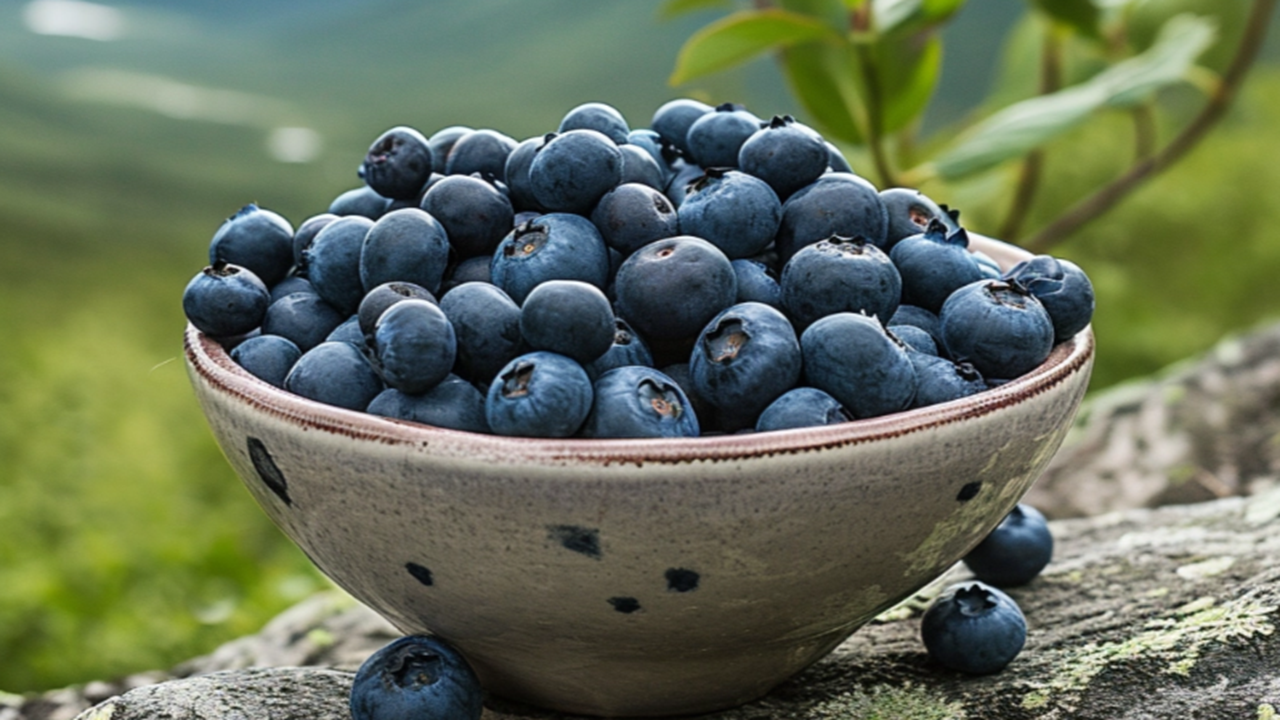
Blueberries are a potent source of antioxidants and have been shown to benefit brain health. The antioxidant benefits of blueberries play a crucial role in supporting cognitive function. Studies have suggested that the consumption of blueberries may contribute to memory enhancement and have neuroprotective properties.
The flavonoids present in blueberries have been linked to improved memory and overall brain function. These powerful antioxidants help combat oxidative stress and inflammation in the brain, which are common contributors to age-related cognitive decline. Additionally, blueberries may also have the potential to enhance neuroplasticity, the brain's ability to form and reorganize synaptic connections.
Including blueberries in your diet as part of a balanced and healthy eating plan could significantly contribute to maintaining and promoting brain health.
Salmon

Salmon is an excellent source of omega-3 fatty acids, which have been linked to numerous brain health benefits. Omega-3s, particularly EPA and DHA, found in abundance in salmon, play a crucial role in cognitive function and may help reduce the risk of neurological disorders.
When preparing salmon, opt for cooking methods such as baking, grilling, or broiling to retain its nutritional value. It's crucial to source salmon sustainably to support healthy marine ecosystems. Look for labels that indicate wild-caught or sustainably farmed salmon.
However, be mindful of potential health risks associated with consuming contaminated or improperly cooked salmon, such as exposure to environmental pollutants or parasites.
Enjoy the brain-boosting benefits of salmon while being mindful of proper sourcing and cooking methods.
Turmeric
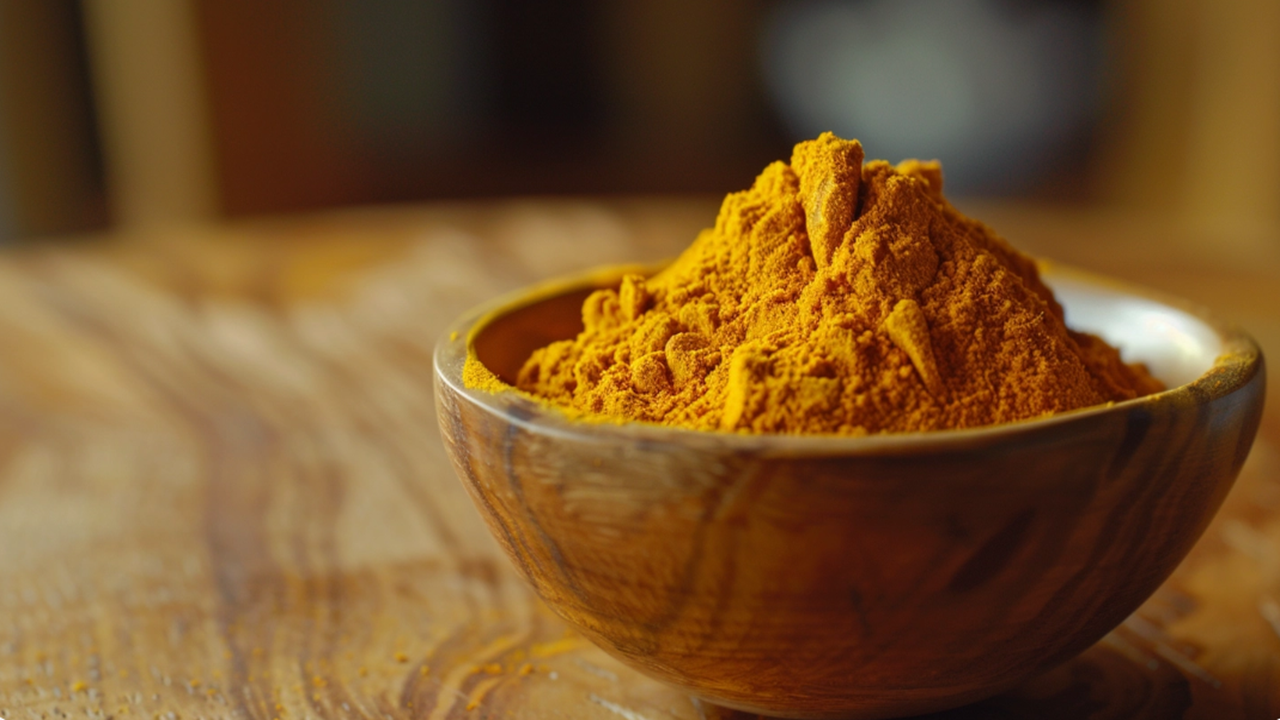
You can also incorporate turmeric into your diet to support brain health. Turmeric contains a compound called curcumin, which has powerful antioxidant and anti-inflammatory properties that may benefit brain health. Research suggests that curcumin can help enhance mood, support memory, and even aid in the growth of new brain cells.
Including turmeric in your diet may help protect against age-related cognitive decline and neurodegenerative diseases. To maximize turmeric benefits, consider adding it to your meals by preparing turmeric-infused dishes. Try making golden milk by combining turmeric with warm milk and honey, or adding turmeric to soups, smoothies, or stir-fries.
Experiment with turmeric recipes to find enjoyable ways to incorporate this potent spice into your daily meals and snacks.
Walnuts
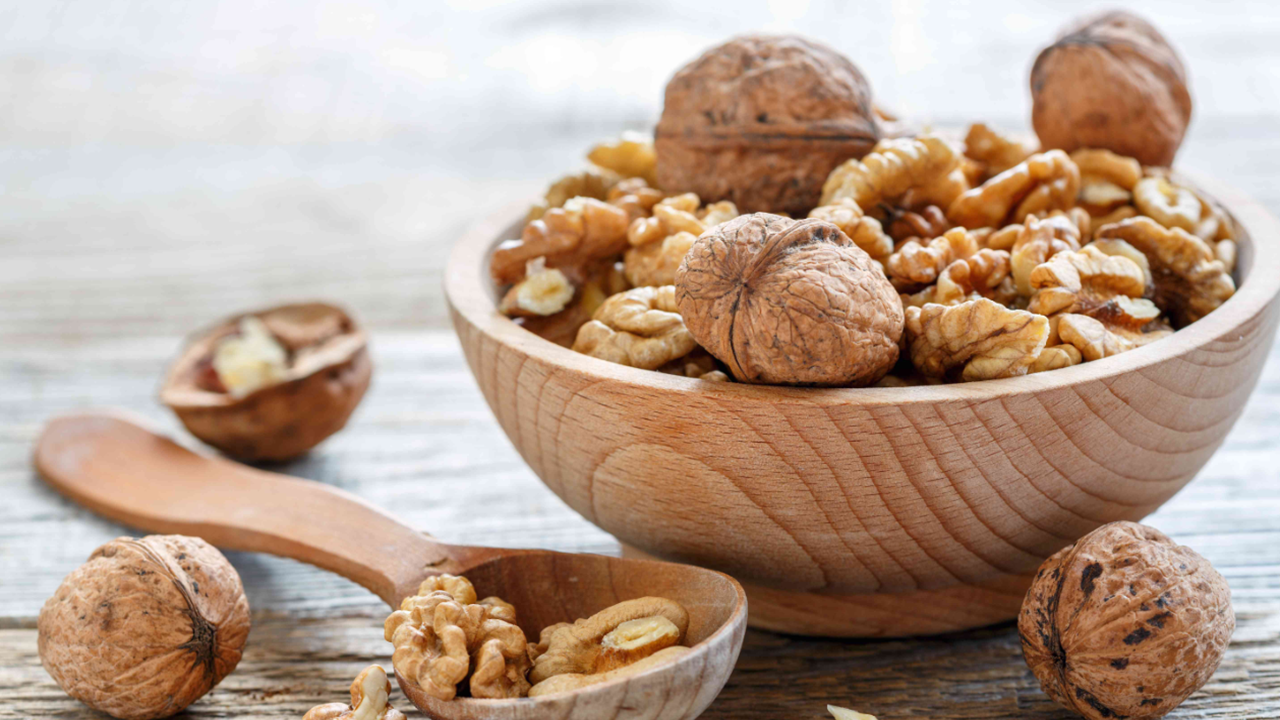
Including walnuts in your diet is an excellent way to support brain health. They are a rich source of alpha-linolenic acid (ALA), a plant-based omega-3 fatty acid that supports brain function and may reduce the risk of cognitive decline. Walnuts also contain polyphenols and vitamin E, powerful antioxidants that help protect brain cells from oxidative damage.
In addition, walnuts provide protein, fiber, and important minerals such as magnesium and phosphorus, which contribute to overall brain health.
The culinary uses of walnuts are versatile. They can be added to oatmeal, salads, or yogurt for a nutritious boost. They can also be incorporated into baked goods or simply enjoyed as a convenient snack.
Including a handful of walnuts in your daily diet can be a simple yet effective way to enhance brain health.
Dark Chocolate

Boosting brain health can be achieved by consuming dark chocolate. Dark chocolate contains flavonoids that have been linked to improved cognitive function. It is also packed with health benefits, such as being a rich source of antioxidants that help protect the brain from oxidative stress.
Consuming dark chocolate in moderation may also help improve blood flow to the brain, which can enhance cognitive function. When it comes to culinary uses, dark chocolate is incredibly versatile. It can be incorporated into various recipes such as smoothies, oatmeal, and even savory dishes like chili.
Its intense flavor adds depth to both sweet and savory dishes, making it a delicious and functional addition to your diet. Remember to choose dark chocolate with a high cocoa content for maximum health benefits.
Leafy Greens
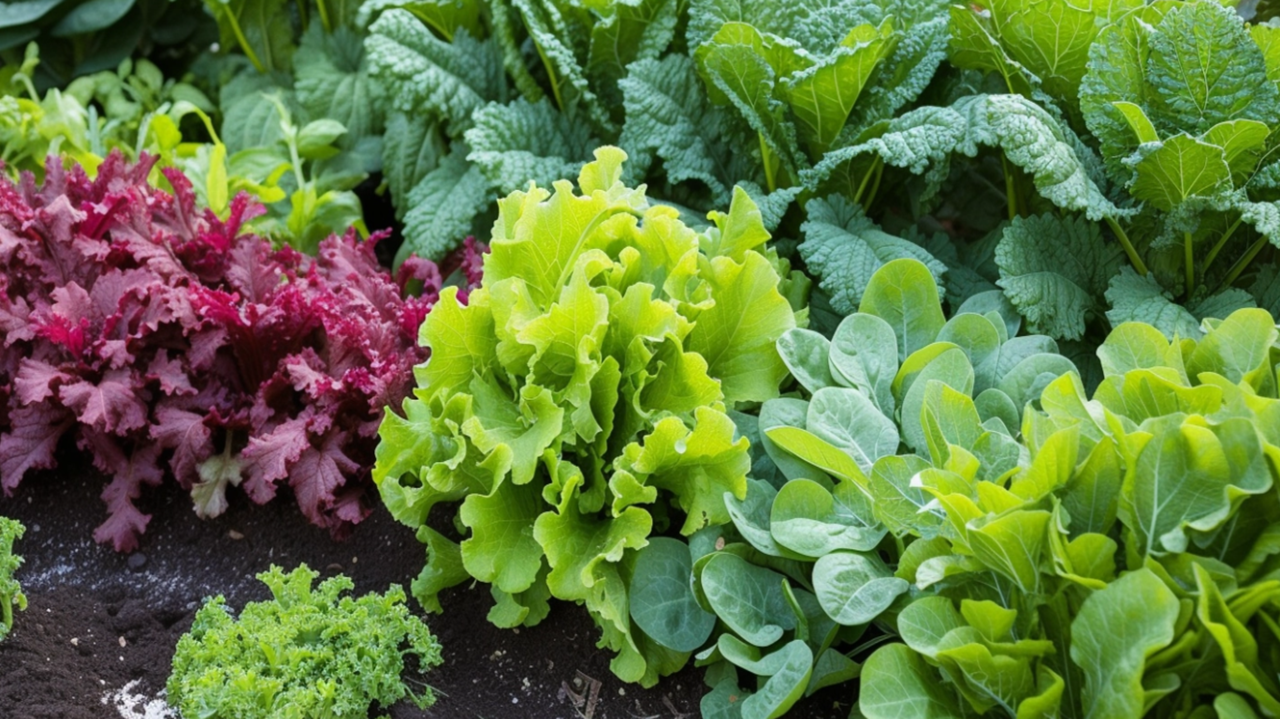
Consuming leafy greens can also contribute to improved brain health due to their high content of vitamins and antioxidants. Leafy greens are packed with essential nutrients such as vitamins A, C, and K, as well as folate and potassium. Their nutrient density makes them an excellent choice for supporting overall cognitive function.
These vegetables also contain flavonoids and carotenoids, which have been linked to cognitive benefits such as improved memory and learning. Incorporating leafy greens into your diet can be as simple as adding a handful of spinach to your morning smoothie or enjoying a mixed green salad with lunch or dinner.
Broccoli
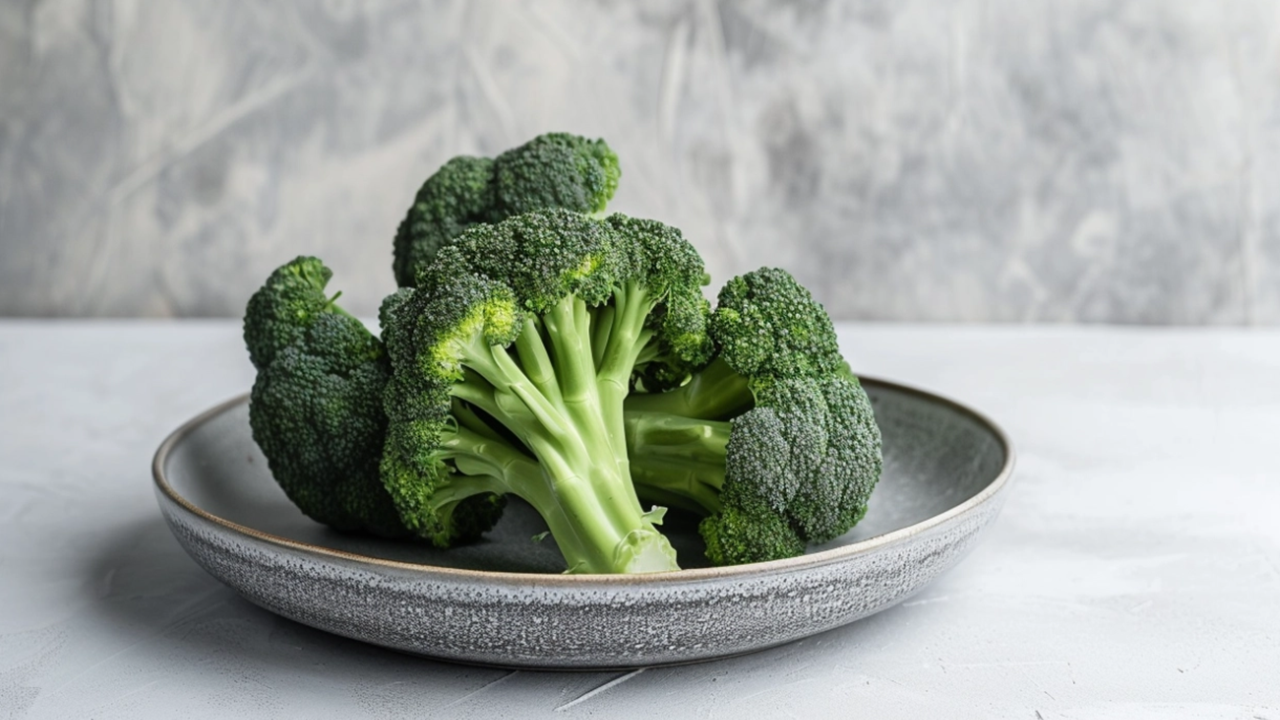
Incorporating broccoli into your diet can enhance brain health and cognitive function due to its high content of nutrients such as vitamins, antioxidants, and fiber.
Broccoli benefits the brain by providing a rich source of vitamin K, which is essential for forming sphingolipids, a type of fat densely packed into brain cells.
Additionally, the antioxidants in broccoli, including flavonoids and carotenoids, help reduce oxidative stress and inflammation in the brain, contributing to improved cognitive function.
Furthermore, the high fiber content of broccoli supports a healthy gut microbiome, which has been linked to brain health.
To incorporate more broccoli into your diet, consider adding it to stir-fries, salads, or as a side dish.
You can also try roasting broccoli with a drizzle of olive oil and a sprinkle of Parmesan cheese for a delicious and brain-boosting meal.
Frequently Asked Questions
How Can I Incorporate These Functional Foods Into My Daily Diet in a Practical and Enjoyable Way?
You can easily incorporate these functional foods into your daily diet practically and enjoyably.
Start by exploring practical recipes that incorporate brain-boosting snacks. For example, you can make smoothies with blueberries, walnuts, and spinach for a delicious and nutritious brain-boosting drink.
Additionally, you can prepare energy balls using oats, seeds, and dried fruits as a convenient and satisfying brain-healthy snack.
Experiment with these ideas to find what works best for you.
Are There Any Potential Interactions or Side Effects to Consider When Consuming These Functional Foods, Especially if I Am Taking Medication?
Hey, you've got to be careful about potential interactions or side effects when adding functional foods to your diet, especially if you're taking medication. Some foods can interact with medications, affecting their effectiveness or causing side effects.
It's essential to consult with a healthcare professional to ensure that your diet and medications complement each other. Being cautious about potential interactions and side effects will help you incorporate functional foods into your daily diet safely and enjoyably.
Can These Functional Foods Help Prevent or Manage Specific Brain-Related Conditions, Such as Alzheimer's Disease or Depression?
Functional foods like blueberries and fatty fish can contribute to preventing Alzheimer's and managing depression. These foods contain antioxidants and omega-3 fatty acids, which have been linked to improved brain health.
While they can't cure these conditions, incorporating them into a balanced diet may offer some protective benefits. It's important to consult a healthcare professional for personalized advice, especially if you have existing medical conditions or are taking medication.
Are There Any Specific Cooking or Preparation Methods That Can Help Maximize the Brain-Boosting Benefits of These Functional Foods?
To maximize the brain-boosting benefits of functional foods, consider cooking and preparation methods. Incorporating these foods into your diet in practical ways can enhance their nutritional value.
Enjoyable consumption can be achieved through various cooking techniques, such as steaming, sautéing, or blending, which can preserve the beneficial compounds. By experimenting with different preparation methods, you can ensure that you're getting the most out of these functional foods for brain health.
Are There Any Specific Recommendations for Portion Sizes or Frequency of Consumption for Optimal Brain Health Benefits?
For optimal brain health benefits, consider portion sizes and frequency of consumption. Practical incorporation means including brain-boosting foods regularly in your diet.
Enjoyable consumption involves trying different recipes and cooking methods to keep things interesting. Finding a balance with portion sizes and making these foods a regular part of your meals can help support your brain health.
Experiment with different ways to include these functional foods to find what works best for you.
Conclusion
So, next time you're looking to boost your brain power, just remember to load up on these amazing functional foods. Your brain will thank you as it transforms into a supercharged, unstoppable force of nature.
With blueberries, salmon, turmeric, walnuts, dark chocolate, leafy greens, and broccoli on your side, you'll be ready to conquer any mental challenge that comes your way.
Get ready to unleash the full potential of your brain with these powerhouse foods!
Statistics
- Adding fermented foods like yogurt and sauerkraut to your diet can support a healthy gut, which has been linked to improved brain function.
- Getting enough sleep is crucial for brain health, as it allows for the consolidation of memories and restoration of brain function.
- Blueberries are packed with antioxidants that can protect the brain from oxidative stress and improve memory.
- Consuming foods rich in antioxidants, such as berries and dark chocolate, can help protect the brain from damage caused by free radicals.
- Turmeric, a spice commonly used in curry dishes, has been shown to have anti-inflammatory effects on the brain.
- Incorporating spices like cinnamon and sage into your meals can enhance brain function and memory.
- Walnuts are a great source of DHA, an omega-3 fatty acid that is essential for brain health and development.
- Drinking green tea has been linked to improved brain function and a reduced risk of neurodegenerative diseases.
- Consuming omega-3 fatty acids, found in foods like fatty fish and nuts, can help improve brain function.
- Consuming foods rich in vitamin E, such as almonds and sunflower seeds, can help protect brain cells from oxidative damage.
External Links
- Psychology Today: Brain Food - The Dos and Don'ts of Eating Well - This article offers practical tips on eating for brain health, including foods to focus on and ones to avoid.
- Mayo Clinic: Mediterranean diet: A heart-healthy eating plan - This resource explains the Mediterranean diet, which has been associated with brain health and reducing the risk of cognitive decline.
- Verywell Mind: Foods That Help Create Happiness - This article explains how certain foods can positively impact mood and mental well-being, ultimately contributing to brain health.
- Medical News Today: The 10 best foods for brain health - This resource highlights ten foods that are beneficial for brain health, including detailed information on their nutritional content and benefits.
- Healthline: 11 Proven Foods to Boost Your Brain Health - This article provides a list of 11 foods that are scientifically proven to support brain health and cognitive function.
- Alzheimer's Association: Prevention & Risk of Alzheimer's & Dementia - This webpage discusses the role of nutrition in preventing Alzheimer's disease and provides recommendations for brain-healthy foods.
How To
How to Enjoy Green Tea for Brain Function
Enjoying green tea is a simple and refreshing way to support brain function. Brew a cup of green tea and savor its natural flavors and soothing properties. Green tea contains antioxidants and has been linked to improved brain function and a reduced risk of neurodegenerative diseases. Replace sugary beverages with green tea and make it a part of your daily routine for a brain-boosting beverage.


.jpeg)
.png)


.png)