

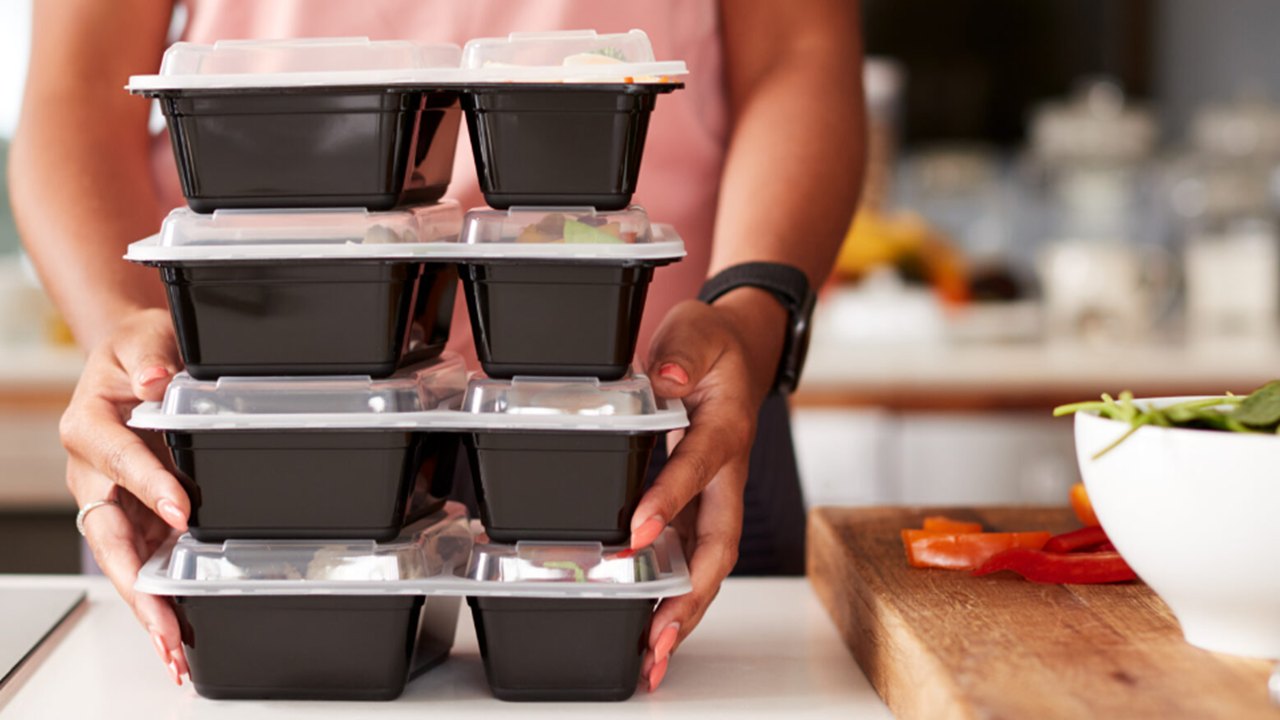
Food Processing Techniques Unveiled
Ever wondered if there's more to food processing techniques than you've been told?
Unveil the secrets behind canning, freezing, drying, fermentation, smoking, and pickling in 'Food Processing Techniques Unveiled.'
This concise guide will illuminate the science behind these methods and how they transform raw ingredients into delicious, shelf-stable foods.
From preserving the peak of summer's harvest to unlocking complex flavors through fermentation, this exploration will deepen your understanding of the culinary world.
So, get ready to uncover the mysteries of food preservation and processing, and elevate your kitchen skills to a whole new level.
Brief Article Overview
Key Takeaways
- Canning and high-pressure canning are effective methods for sealing and preserving low-acid foods, extending their shelf life while ensuring safety and nutrition.
- Freezing and cryogenic freezing techniques, such as flash freezing, help maintain the texture, flavor, and nutrition of food by rapidly freezing it and preventing the formation of large ice crystals.
- Drying and solar drying are cost-effective methods for preserving food, using low heat, airflow, and the sun's energy to remove moisture and protect against spoilage while maintaining food quality and cellular structure.
- Fermentation is a key technique for flavor development, utilizing microorganisms to break down carbohydrates and contribute to the unique flavors found in products like yogurt, sourdough bread, beer, and wine.
- Smoking enhances the flavor and preservation of foods by using different wood chips to create smokiness, while precise temperature control ensures food safety and allows for the production of richly smoked foods.
- Pickling immerses vegetables and fruits in brine solutions, infusing them with tangy flavors and extending their shelf life by inhibiting the growth of spoilage microorganisms. This technique also enhances taste, texture, and nutritional value, reducing food waste and allowing for customization.
Canning
In canning, you seal food in airtight containers to preserve it for extended periods. This process involves subjecting the food to high pressure and low temperatures to ensure its safety and longevity.
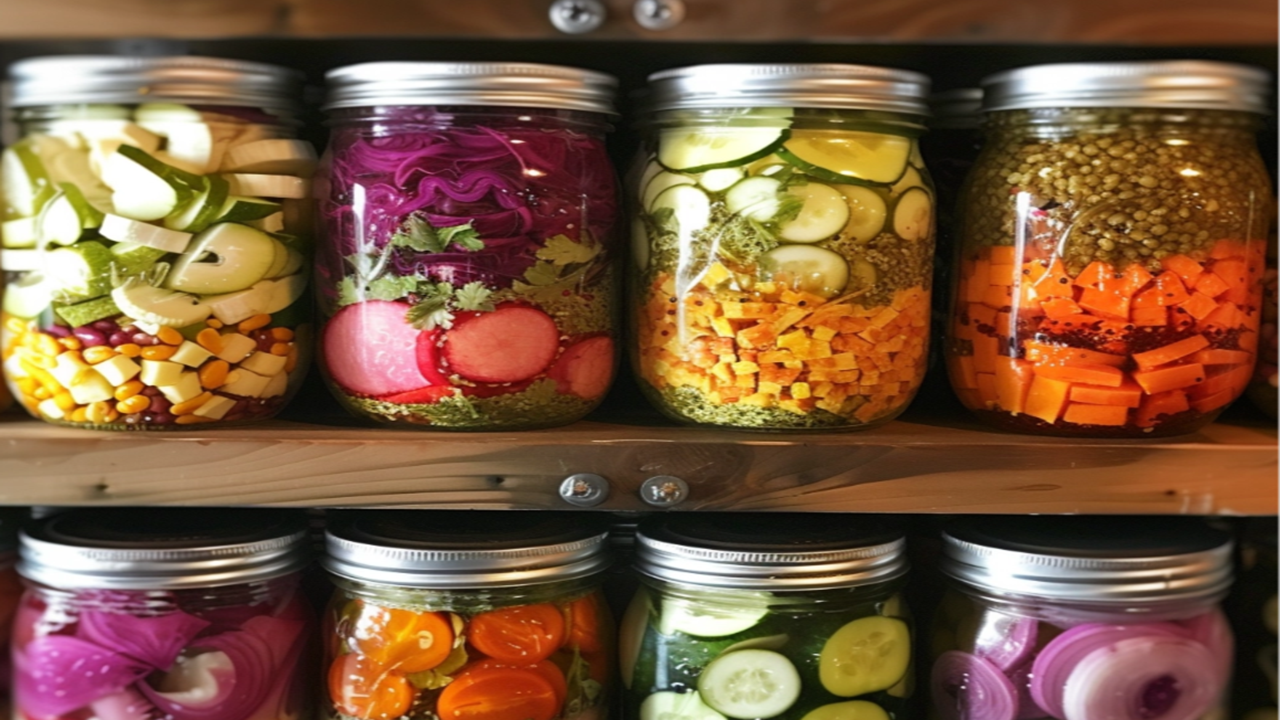
High-pressure canning is typically used for low-acid foods such as vegetables, meats, and poultry. The high pressure, usually achieved at 240-250°F, destroys harmful bacteria and microorganisms, preventing spoilage.
On the other hand, low-acid foods require high temperatures that can only be reached through a pressure canner to eliminate the risk of botulism. By controlling both pressure and temperature, canning effectively extends the shelf life of various foods, ensuring they remain safe and nutritious for consumption over an extended period.
Freezing
To freeze food properly, you should ensure that it's packaged in airtight containers or freezer bags to maintain its quality and prevent freezer burn.
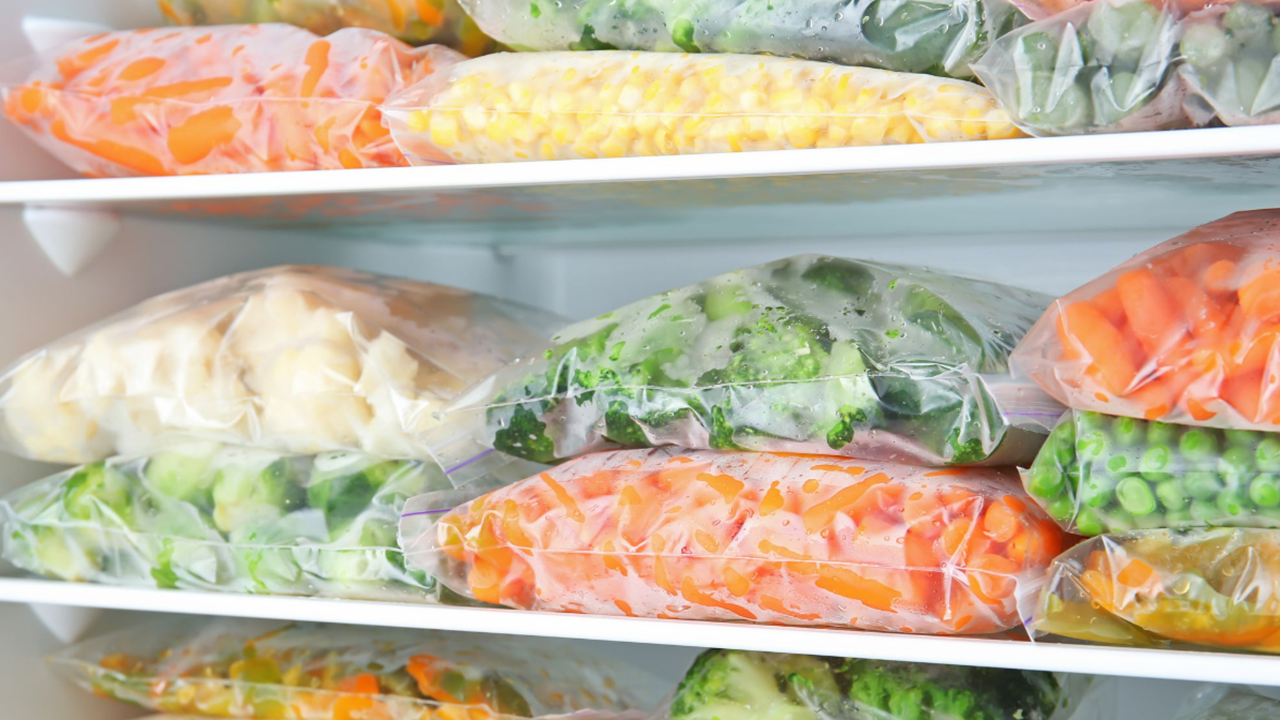
Flash freezing, a rapid freezing technique, involves freezing food items at extremely low temperatures, typically using liquid nitrogen or carbon dioxide. This method helps to preserve the texture, flavor, and nutritional value of the food.
Cryogenic freezing, another advanced freezing technique, involves using extremely low temperatures achieved through the use of liquid nitrogen or carbon dioxide. It's commonly used in industrial food processing to freeze food quickly and efficiently.
The rapid freezing process in both flash freezing and cryogenic freezing prevents the formation of large ice crystals, preserving the quality of the food and ensuring minimal damage to its cellular structure.
Drying
When drying food, there are a few different methods that can be used to remove moisture and preserve its shelf life.
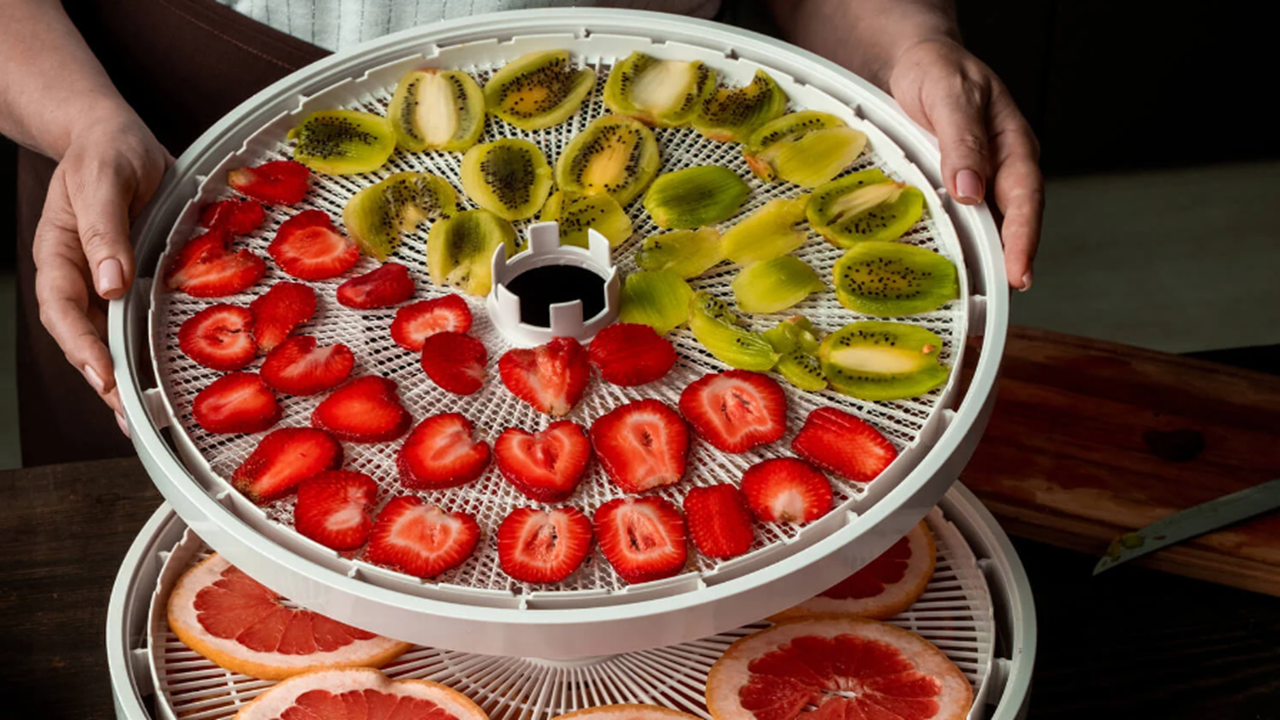
One method is using a dehydrator, which is a machine specifically designed for drying food. The dehydrator uses low heat and airflow to slowly remove moisture from the food. This method is convenient and efficient, as it can dry food relatively quickly and evenly.
Another method is air drying, which is a more traditional technique. With air drying, the food is spread out in a single layer on a rack or tray, allowing air to circulate it. This method works best in low-humidity environments and can take several days to complete.
Solar drying is another effective technique that utilizes the sun's energy to remove moisture from food. This method involves placing the food on drying racks in direct sunlight for an extended period. Solar drying is particularly suitable for fruits, vegetables, and herbs.
Both air drying and solar drying are cost-effective methods for preserving food. However, it is important to ensure proper sanitation and protection from insects during the drying process. This can be done by covering the food with a fine mesh or using food-safe insect repellents.
Fermentation
As you explore food processing techniques, you'll discover that fermentation plays a crucial role in preserving and enhancing the flavors of various foods.
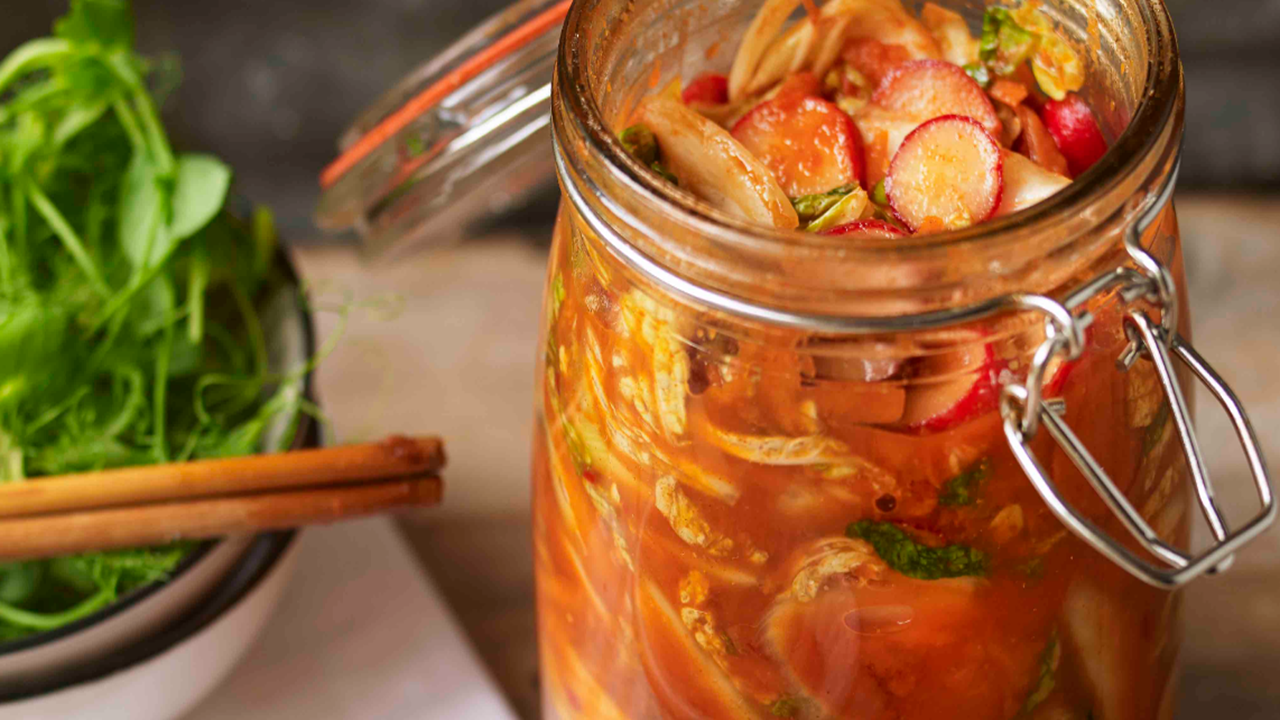
Fermentation is a microbial transformation process that involves the breakdown of carbohydrates into organic acids, gases, or alcohol. This process is carried out by different microorganisms such as bacteria, yeast, and molds.
These microorganisms play a critical role in flavor development by producing compounds that contribute to the unique taste and aroma of fermented foods. For example, lactic acid bacteria are responsible for the tangy flavor in yogurt and sourdough bread, while specific strains of yeast are used in beer and wine production to impart characteristic flavors.
Understanding the complex microbial interactions involved in fermentation is key to producing a wide variety of flavorful and preserved foods.
Smoking
You can enhance the flavor and preservation of various foods through smoking, a technique that imparts unique smoky aromas and flavors using indirect heat and wood smoke.
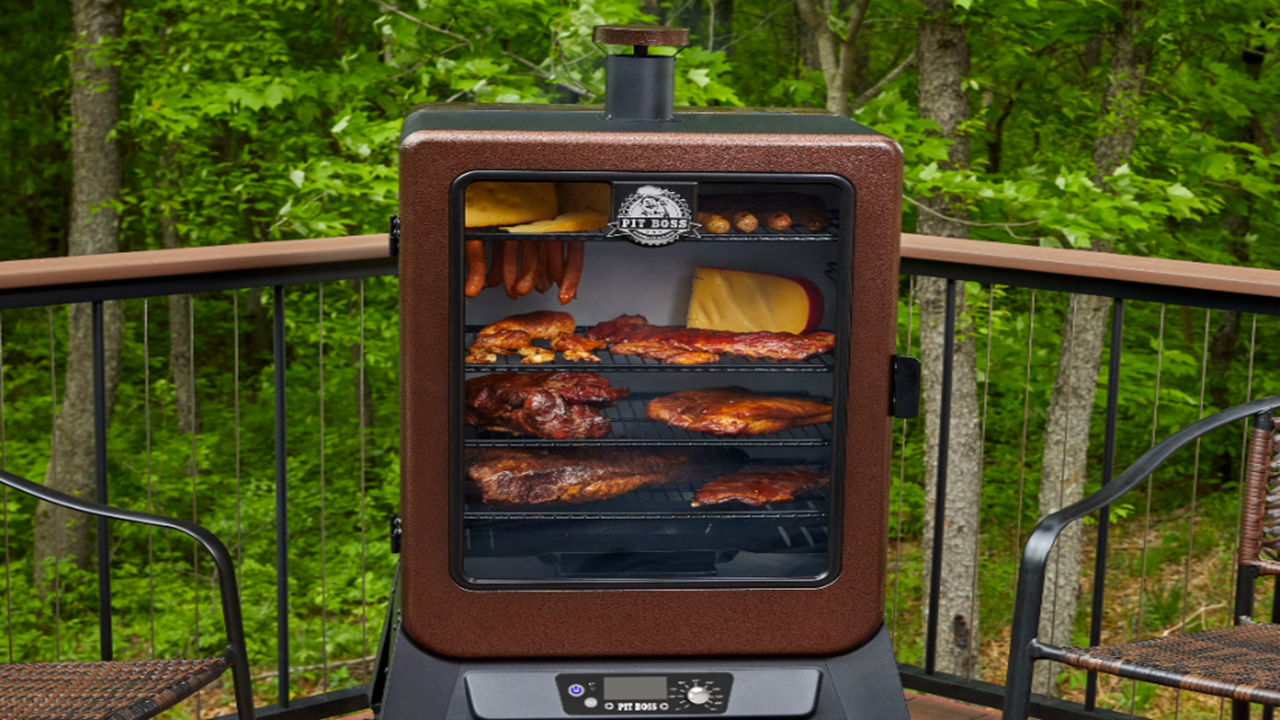
To achieve the desired flavor, the choice of wood chips is crucial as it determines the intensity and character of the smokiness. Different types of wood, such as hickory, mesquite, or applewood, offer distinct flavors that can complement specific foods.
Controlling the temperature during smoking is essential to ensure food safety and achieve the desired results. Maintaining a consistently low temperature over a prolonged period allows the food to absorb the smoky flavor without overcooking.
Modern smoking methods often incorporate advanced temperature control mechanisms to regulate the smoking process effectively, resulting in precisely smoked foods with rich, complex flavors.
Pickling
Pickling is a versatile food preservation method that allows you to infuse vegetables or fruits with tangy flavors and extend their shelf life by immersing them in a brine solution of vinegar, salt, and spices.
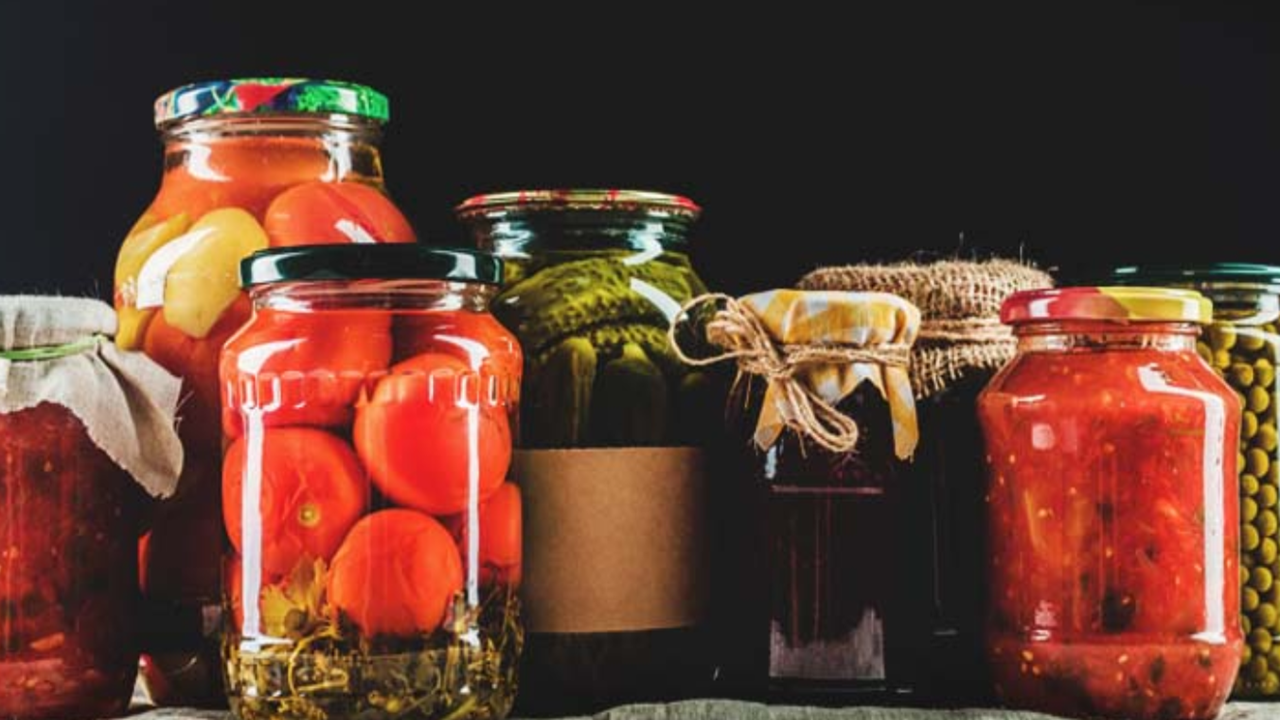
The benefits of pickling include enhancing the taste, texture, and nutritional value of the produce while also inhibiting the growth of spoilage microorganisms.
Pickling also offers a convenient way to reduce food waste by preserving excess harvest or unused ingredients.
Some popular pickling recipes include classic dill pickles, pickled onions, and pickled beets.
Each recipe can be customized by adjusting the seasoning and vinegar-to-water ratio to suit your taste preferences.
Experimenting with different combinations of spices, herbs, and vegetables can lead to unique and delicious pickled creations.
Frequently Asked Questions
What Are the Potential Health Risks Associated With the Canning Process?
When it comes to canning safety, it's important to be aware of the potential toxins that can be associated with the process. The main health risks linked to canning include botulism, a serious illness caused by a toxin produced by the bacterium Clostridium botulinum.
To minimize these risks, it's crucial to follow proper canning procedures, including using the correct equipment, following recommended recipes, and ensuring that food is processed at the right temperature and pressure.
How Does Freezing Affect the Nutritional Value of Food?
Freezing affects the nutritional value of food by slowing down enzymatic activity and microbial growth, which helps retain nutrients. However, it can also cause some loss of nutrients due to ice crystal formation and dehydration.
Blanching before freezing can help preserve the color, flavor, and nutritional content of food by inactivating enzymes and reducing microbial load. The process involves briefly immersing food in boiling water, then rapidly cooling it to halt cooking.
Are There Any Specific Foods That Should Not Be Dried for Consumption?
When it comes to food safety and preservation, it's important to consider the moisture content and potential for spoilage.
Certain foods, like meats and dairy products, may not be suitable for drying due to the risk of bacterial growth. These foods require careful handling and processing to avoid contamination.
Ensuring proper storage and handling of these items is crucial to maintaining their quality and safety for consumption.
What Are the Common Mistakes to Avoid When Fermenting Foods at Home?
When fermenting foods at home, common mistakes can lead to spoiled batches. To avoid this, pay attention to the cleanliness of your equipment and work area.
Additionally, make sure to use the correct ratio of salt to vegetables and ensure they're fully submerged in the brine.
Proper temperature and timing are also crucial for a successful fermentation process.
What Types of Wood Are Best for Smoking Meats and Other Foods?
When smoking meats and other foods, the type of wood you choose impacts flavor profiles and cooking temperatures.
Oak and hickory are best for strong, robust flavors, while fruitwoods like apple and cherry offer sweeter notes. Mesquite adds a bold, earthy taste.
Consider the cooking temperature and the desired flavor when selecting wood. Avoid softwoods like pine and cedar, as they can impart a bitter taste.
Conclusion
In conclusion, the various food processing techniques unveiled in this article serve as the key to unlocking the potential of raw ingredients.
Just as skilled artisan craft exquisite sculptures from blocks of stone, these methods sculpt the raw ingredients into delectable masterpieces, preserving their freshness and flavor.
By harnessing the power of canning, freezing, drying, fermentation, smoking, and pickling, one can elevate the culinary experience to a whole new level.
Statistics
- Irradiation is a food processing technique that involves exposing foods to ionizing radiation to kill bacteria and pests.
- HPP is a non-thermal food processing technique that uses extreme pressure to kill bacteria and extend the shelf life of foods.
- One of the main advantages of HPP is that it does not require the use of preservatives or additives, making it a healthier option for consumers.
- Food processing techniques have been the result of centuries of innovation and experimentation.
- Fermentation is a food processing technique that involves the conversion of carbohydrates into alcohol or organic acids by microorganisms.
- Freeze-drying preserves the flavor, texture, and nutritional content of foods, making it an ideal choice for items like fruits, vegetables, and coffee.
- Another popular food processing technique is freeze-drying, which involves freezing a food item and then removing the ice through sublimation.
- Infusion is a food processing technique that involves extracting the flavors of herbs, spices, or fruits into a liquid, such as oil or alcohol.
- Infused oils and spirits add depth and complexity to dishes and beverages, making them a popular choice for chefs and mixologists.
- Sous vide cooking is a technique that involves sealing food in a vacuum-sealed bag and cooking it in a water bath at a precise temperature.
External Links
- The Academy of Nutrition and Dietetics - The official website of the Academy of Nutrition and Dietetics, providing evidence-based information on food processing techniques and their impact on nutrition.
- The Science of Food Processing - The Institute of Food Technologists explains the science behind food processing techniques and their significance in the food industry.
- Applying New Technologies to Food Processing - A scientific article highlighting the application of new technologies, such as nanotechnology, in food processing.
- From Pasteurization to Irradiation - This NPR article explores the history and impacts of various food processing techniques, including pasteurization and irradiation.
- Implications of Food Processing on Food Allergens - This scientific paper examines the impact of food processing techniques on the prevalence of food allergens in processed foods.
- Food Processing Magazine - An industry-leading magazine that covers the latest trends, technologies, and techniques in food processing.
- Emerging Food Processing Techniques - A scientific article that explores new and emerging food processing techniques and their potential to improve food safety and quality.
- Food Processing Techniques and their Impact on Food Safety - This scientific study investigates the effects of various food processing techniques on food safety and microbial control.
- Food Processing Technology - A website that covers the latest advancements in food processing technology, including automation, robotics, and sustainability.
- HPP 101: An Introduction to High-Pressure Processing - This article provides a comprehensive overview of high-pressure processing (HPP), a popular food processing technique.
How To
How to Batch Cook for Easy Meal Preparation
Batch cooking is a fantastic method to streamline your meal preparation routine and save time in the kitchen. To batch cook, select your favorite recipes and prepare larger quantities than needed for one meal. Portion the excess food into individual containers or freezer bags and label them with the date and contents. Store the prepared meals in the refrigerator or freezer for future use. When you're short on time, simply defrost and reheat a pre-prepared meal, and you'll have a delicious and nutritious option ready to enjoy. Batch cooking is especially beneficial for busy individuals or families, as it ensures that healthy and homemade meals are always within reach.

.jpeg)
.png)


.png)