

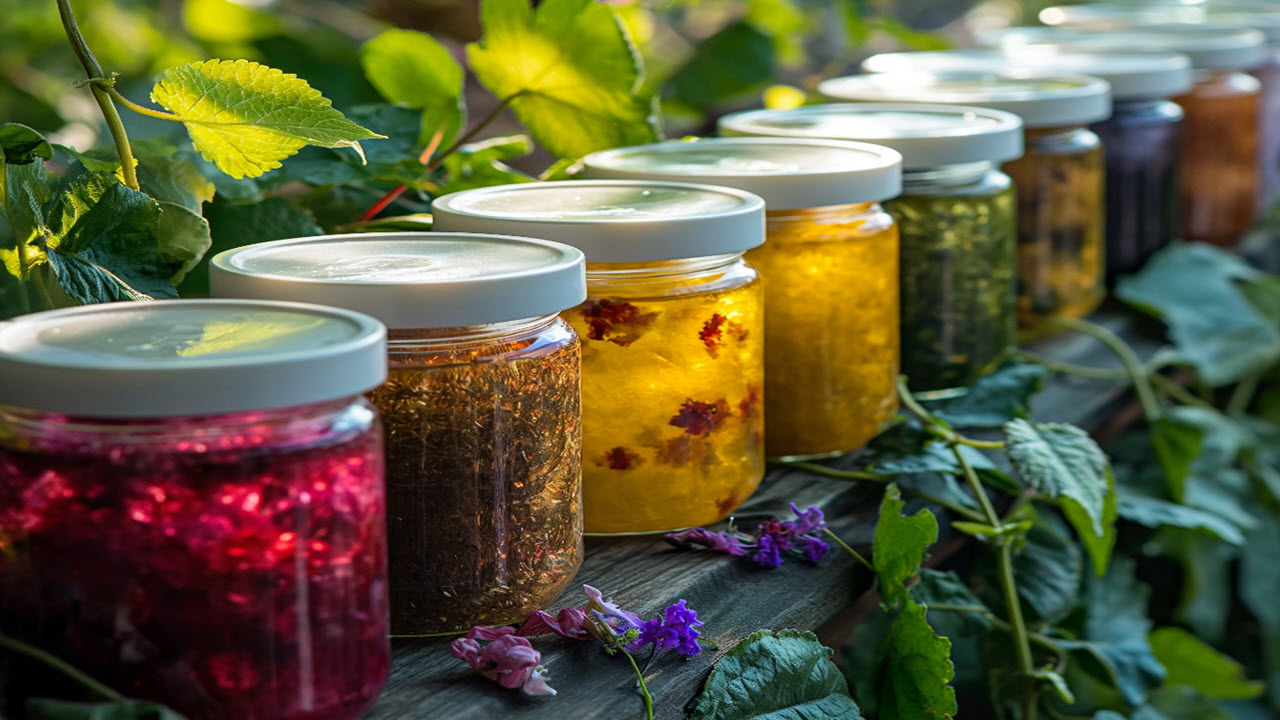
You might think that fermented foods are too difficult to make or don't taste good, but they hold the key to a healthier gut.
Discover how probiotics in fermented foods can support your digestive health and strengthen your immune system.
By understanding the impact on your microbiome, you can improve nutrient absorption and manage inflammation.
It's easy to embrace fermented foods for a happier, healthier gut.

Short Article Summary
Key Takeaways
- Fermented foods promote a healthy balance of gut bacteria and contribute to good gut health.
- Consuming fermented foods supports a healthy gut-brain axis, positively influencing mental and emotional well-being.
- Fermented foods enhance immune function and support a robust immune system.
- Fermented foods aid in improving digestion, promoting gut health, and maximizing nutrient absorption.
The Power of Probiotics
Unlocking the secrets to a healthy gut begins with incorporating probiotics into your diet. These live bacteria and yeasts are essential for balancing the gut flora, which is crucial for maintaining good gut health.
Probiotics work by replenishing and maintaining the natural balance of bacteria in the gut, supporting its overall function. By consuming probiotic-rich foods like yogurt, kefir, and sauerkraut, you can introduce these beneficial microorganisms into your digestive system. Once there, they aid in breaking down food, absorbing nutrients, and supporting the immune system.
This helps prevent the overgrowth of harmful bacteria, promotes regularity, and reduces inflammation in the gut. Ultimately, incorporating probiotics into your diet is a simple yet powerful way to nurture your gut flora and improve your overall gut health.
Understanding Digestive Health
To maintain a healthy gut, you need to break down the complexities of digestive health and its impact on your overall well-being.
The gut-brain connection plays a crucial role in mental health, with emerging research suggesting that the state of your gut can influence your mood and cognitive function.

Understanding food sensitivity and its effects on digestion is also vital. Many people experience discomfort due to certain foods, leading them to explore elimination diets to pinpoint culprits.
By identifying and eliminating trigger foods, individuals can alleviate digestive issues and improve their overall health.
Taking care of your digestive health is essential for your well-being, as it not only impacts your physical comfort but also affects your mental state.
Being mindful of these factors can contribute to a healthier gut and a happier you.
Impact on the Microbiome
Understanding the microbiome is crucial for maintaining a healthy gut and overall well-being. It plays a significant role in digestion, nutrient absorption, and immune function, impacting your physical comfort and mental state.

Fermented foods can greatly influence the microbiome, promoting a healthy balance of gut bacteria. The fermentation process involved in creating these foods encourages the growth of beneficial probiotics, which are essential for gut health. These probiotics contribute to the diversity and abundance of good bacteria in your gut, ultimately impacting the gut-brain connection.
This connection is vital for regulating mood, reducing stress, and improving cognitive function. By consuming fermented foods, you support the microbiome's ability to maintain a healthy gut-brain axis, which can positively influence your mental and emotional well-being.
Strengthening the Immune System
Strengthening your immune system through the consumption of fermented foods is essential for supporting overall health and well-being. The beneficial bacteria present in fermented foods play a crucial role in enhancing immune function.
These foods help maintain a healthy balance of gut bacteria, which is directly linked to a robust immune system. By promoting gut health, fermented foods support the body's natural defense mechanisms, aiding in the fight against harmful pathogens and reducing the risk of infections.
Additionally, fermented foods contain various nutrients and bioactive compounds that further contribute to bolstering the immune system.
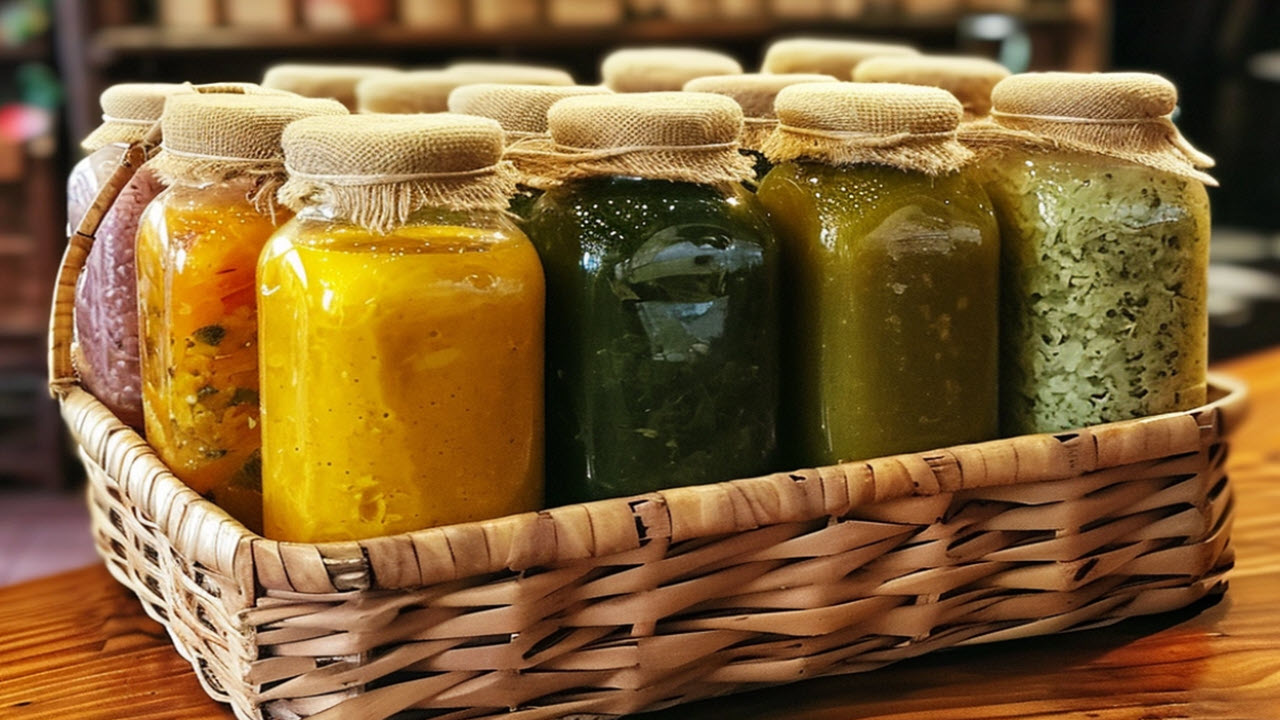
Regularly incorporating fermented foods into your diet can help optimize immune function and contribute to a healthier and more resilient body.
Enhancing Nutrient Absorption
Include fermented foods in your diet to maximize the absorption of essential nutrients for better overall health.
Fermented foods like yogurt, kefir, and kimchi contain beneficial bacteria that aid in improving digestion and promoting gut health. These probiotics help break down and assimilate nutrients from the foods you eat, ensuring that your body can effectively absorb essential vitamins and minerals.
By enhancing nutrient absorption, fermented foods can help you get the most out of your diet, leading to improved energy levels, better immune function, and overall well-being.
Additionally, fermented foods can also increase the bioavailability of certain nutrients, such as iron and zinc, which are crucial for various bodily functions.

Managing Inflammation
To manage inflammation, you can incorporate fermented foods into your diet, which can help support a healthy gut and reduce overall inflammation in your body.
Fermented foods such as kimchi, sauerkraut, and kefir contain beneficial probiotics that promote a healthy balance of gut bacteria. These probiotics can aid in reducing bloating and improving digestion, which are common symptoms of inflammation in the gut.
By consuming fermented foods, you introduce these beneficial bacteria into your digestive system, which can help to calm inflammation and promote a healthier gut environment.
Additionally, fermented foods contain bioactive compounds that have been shown to have anti-inflammatory effects, further contributing to the reduction of inflammation in the body.
Incorporating these foods into your diet can help manage inflammation and support overall gut health.

Frequently Asked Questions
Can Fermented Foods Help With Mental Health and Mood Disorders?
Fermented foods can indeed help with mental health and mood disorders.
The gut-brain connection is a significant factor in mental health, and fermented foods can positively impact this connection.
Consuming fermented foods can promote a healthy balance of gut bacteria, which in turn can influence mood and overall mental well-being.
Incorporating these foods into your diet may contribute to a more stable and positive mental state.
Are There Any Risks or Side Effects Associated With Consuming Fermented Foods?
When it comes to fermented foods, it's important to be aware of potential risks. Some people may experience digestive issues like bloating or gas when consuming these foods, but it varies from person to person.

However, for most individuals, the benefits of consuming fermented foods far outweigh the potential risks. It's always a good idea to start with small servings to see how your body responds and gradually increase intake.
How Do Fermented Foods Compare to Probiotic Supplements in Terms of Effectiveness?
Fermented foods, like yogurt and kimchi, are effective in promoting gut microbiota and immunity. They contain live cultures, aiding in the growth of beneficial bacteria. These foods also provide digestive enzymes that enhance nutrient absorption.
Probiotic supplements offer similar benefits, but fermented foods are a natural source and may offer a wider variety of beneficial microorganisms. Both can contribute to a healthy gut, but incorporating fermented foods into your diet can provide additional nutritional benefits.
Double new line.
Can Fermented Foods Improve Skin Health and Reduce the Appearance of Acne?
Want glowing skin and reduced acne? Fermented foods can help. They support gut health, which in turn positively impacts your skin microbiome. By promoting a healthy balance of bacteria in your gut, fermented foods can lead to clearer, healthier skin.

The beneficial bacteria from fermented foods can reduce inflammation and support a glowing complexion, potentially reducing the appearance of acne. So, incorporating fermented foods into your diet can be a game-changer for your skin.
Are There Specific Fermented Foods That Are More Beneficial for Certain Medical Conditions, Such as Diabetes or Heart Disease?
When it comes to fermented foods, certain ones can be more beneficial for specific medical conditions.
For diabetes, incorporating fermented foods like yogurt, kefir, and kimchi can help regulate blood sugar levels.
For heart health, consuming fermented foods rich in probiotics, such as sauerkraut and miso, may support cardiovascular health.
Additionally, fermented foods like kombucha and tempeh can aid in weight management due to their potential impact on metabolism and satiety.

Conclusion
So next time you're at the grocery store, don't forget to pick up some fermented foods to keep your gut happy and healthy.
With their powerful probiotics and ability to enhance nutrient absorption, they're like a key to unlocking the secrets of a healthy gut.
So go ahead, add some sauerkraut or kimchi to your plate, and let your gut thank you for it.
Statistics
- Research suggests that consuming fermented foods may contribute to improved mental health and mood.
- Adding fermented foods to your diet can improve the digestibility of certain foods, making them easier for your body to process and absorb nutrients.
- Fermented foods like yogurt and kefir contain live bacteria that can help restore the balance of good bacteria in your gut after taking antibiotics.
- Introducing fermented foods to your child's diet at an early age can help establish a healthy gut microbiome and support their overall wellness.
- Eating fermented foods may support weight management, as they can help regulate appetite and improve insulin sensitivity.
- Consuming fermented foods can help boost the diversity of beneficial bacteria in your gut.
- Fermented foods have been shown to have anti-inflammatory properties, which can support overall gut health.
- Fermented foods are easy to make at home and require minimal equipment. Anyone can give it a try and unlock the benefits of fermentation.
- Fermented foods can contribute to overall gut health by promoting regular bowel movements and reducing the risk of constipation.
- Probiotics found in fermented foods can improve digestion and nutrient absorption.
External Links
- Healthline: Healthline provides a comprehensive list of 8 fermented foods that can help improve gut health.
- WebMD: WebMD offers a slideshow highlighting various fermented foods and their potential health benefits for the gut.
- National Institutes of Health: This study conducted by the National Institutes of Health explores the impact of fermented foods on the gut microbiota and health.
- Medical News Today: Medical News Today provides an in-depth article on the benefits of fermented foods for gut health and overall well-being.
- Everyday Health: Everyday Health offers a list of top fermented foods that can supercharge your gut bacteria and promote a healthy gut.
- The Spruce Eats The Spruce Eats shares easy fermented food recipes to try at home, allowing you to incorporate gut-friendly foods into your diet.
- mindbodygreen: mindbodygreen discusses the benefits of fermented foods and how they can support a healthy gut and immune system.
- Well+Good: Well+Good explores the growing trend of fermented foods and the science behind their impact on gut health.
- Frontiers in Microbiology: This research article published in Frontiers in Microbiology delves into the diverse impacts of fermented foods on gut microbiota and well-being.
- Harvard Health Publishing: Harvard Health Publishing sheds light on the gut-brain connection and how fermented foods can influence both physical and mental health.
- Food Network: Food Network shares the health benefits of fermentation and inspires incorporating fermented foods into your meals and snacks.
- Eat This, Not That: Eat This, Not That highlights some of the best fermented foods to eat for better digestion and gut health.
- Gut Health Project: The Gut Health Project offers a list of 29 fermented foods that can contribute to a healthy gut and improved overall wellness.
- Insider: Insider provides a roundup of the best-fermented foods to include in your diet for a healthier gut and body.
- BBC Good Food: BBC Good Food discusses the health benefits of fermented foods and shares tips on incorporating them into your meals.
- Precision Nutrition: Precision Nutrition explores the science-backed benefits of fermented foods for gut health and overall wellness.
- EatRight: EatRight provides information on how fermented foods contribute to a healthy gut, including their rich nutrient content.
- Harvard Health Publishing: This Harvard Health Publishing article explains how gut bacteria influence health and shares the potential benefits of fermented foods.
- Prevention: Prevention lists fermented foods as one of the healthy foods you can buy for about $2 and explains their gut-healing properties.
- Food Revolution Network: The Food Revolution Network explores the benefits of fermented foods for gut health and provides recipes to help you incorporate them into your meals.
- mindbodygreen: mindbodygreen explains the healing powers of fermented foods and offers alternatives for those who are not fans of sauerkraut.
How To
How To Incorporate Fermented Foods into Your Daily Diet
Incorporating fermented foods into your daily diet is a simple and enjoyable way to unlock the benefits of a healthy gut. Start by adding a serving of fermented vegetables, such as sauerkraut or pickles, to your meals. These tasty additions can provide a burst of flavor while promoting digestion. You can also try including fermented dairy products like yogurt or kefir, which are packed with probiotics.
How To Make Homemade Fermented Foods
Making homemade fermented foods is a fun and cost-effective way to boost your gut health. Choose your favorite vegetables, such as cabbage or cucumbers, and prepare them for fermentation. Create a brine with salt and water, then submerge the vegetables in a jar and allow them to ferment for several days. The result is a delicious and nutrient-rich homemade ferment that you can enjoy with meals or as a standalone snack.
How To Choose the Right Fermented Foods for Your Gut
When selecting fermented foods for your gut health, it's important to choose options that are rich in beneficial bacteria. Look for products that contain live and active cultures to ensure you're getting the full benefits. Yogurt, kefir, kombucha, and miso are all excellent choices. Additionally, opt for organic and unprocessed varieties whenever possible to avoid unnecessary additives.
How To Store Fermented Foods Properly
To maximize the shelf life and preserve the quality of your fermented foods, proper storage is key. Keep them in a cool and dark place, such as the refrigerator, to slow down the fermentation process. Make sure to seal the containers tightly to prevent air exposure, which can lead to spoilage. If you're making fermented foods at home, transfer them to airtight jars once they reach the desired level of fermentation and store them in the fridge.
How To Add Flavor to Fermented Foods
While fermented foods have a unique tangy flavor, you can enhance their taste by adding various seasonings and ingredients. Experiment with herbs, spices, and citrus zest to create personalized flavor profiles. For example, you can add dill and garlic to sauerkraut or ginger and citrus to kombucha. Get creative and find flavor combinations that excite your taste buds!
How To Read Food Labels When Choosing Fermented Foods
Reading food labels can help you make informed choices when selecting fermented foods. Look for products that contain active cultures, as this indicates the presence of beneficial bacteria. Check for the absence of artificial additives and excessive amounts of added sugar, which can counteract the benefits of the fermentation process. Additionally, opt for organic and non-GMO options to ensure you're getting the highest quality fermented foods.
How To Introduce Fermented Foods to Children
Introducing fermented foods to children can help support their gut health from an early age. Start by offering small portions of fermented foods alongside familiar dishes. Encourage them to try different flavors and textures, and emphasize the benefits of these foods for their overall health. You can also incorporate fermented foods in kid-friendly recipes, such as smoothies or popsicles, to make them more appealing.
How To Make Fermented Drinks at Home
Making fermented drinks at home is a fantastic way to enjoy the benefits of probiotics in a refreshing and delicious form. Start by choosing your base, such as tea for kombucha or fruit for kefir water. Add a starter culture or a small amount of store-bought fermented drink to kick-start the fermentation process. Let the mixture sit in a clean glass container with a breathable lid for a few days, allowing the beneficial bacteria to thrive. Strain the liquid and transfer it to bottles for a fizzy and gut-friendly beverage!
How To Incorporate Fermented Foods into Vegan and Plant-Based Diets
Vegans and those following a plant-based diet can still enjoy the benefits of fermented foods. Opt for fermented plant-based options such as tempeh, miso, or fermented soy products. Add them to stir-fries, salads, or sandwiches for a boost of flavor and nutrition. Vegan-friendly fermented drinks like coconut water kefir or water kefir are also excellent choices for incorporating probiotics into your daily routine.
How To Pair Fermented Foods with Other Gut-Friendly Ingredients
Pairing fermented foods with other gut-friendly ingredients can create a powerhouse of digestive health benefits. Combine fermented vegetables with prebiotic-rich foods like onions, garlic, or asparagus to provide nourishment for the beneficial bacteria in your gut. Enjoy fermented dairy products with fiber-packed fruits like berries or whole grains to support optimal digestion. Experiment with different combinations and reap the rewards of a diverse gut microbiome.
How To Find Quality Fermented Foods at the Grocery Store
When searching for quality fermented foods at the grocery store, start by checking the refrigerated section. Look for products that are kept cold to maintain the live cultures. Pay attention to the labels and choose options that contain minimal ingredients and no artificial additives. Supporting local farmers' markets and artisanal food producers can also be an excellent way to find high-quality, homemade fermented foods.
How To Enjoy Fermented Foods When Dining Out
While dining out, you can still incorporate fermented foods into your meal for a gut-healthy boost. Opt for dishes that feature fermented ingredients like kimchi, pickles, or miso. Choose cafes or restaurants that offer menu items with fermented dairy, such as yogurt or kefir. Don't be afraid to ask about the presence of fermented foods in sauces, dressings, or sides. Enrich your dining experience with these flavorful and gut-nourishing options.
How To Make Fermented Foods a Regular Part of Your Routine
Making fermented foods a regular part of your routine is key to unlocking the long-term benefits for your gut. Start by setting a specific day or time each week for fermenting or purchasing fermented foods. Consider meal planning to incorporate them into your breakfast, lunch, or dinner recipes. Make it enjoyable by exploring different recipes or joining a fermentation class. By making fermented foods a habit, you'll be on your way to maintaining a healthy gut.
How To Combine Fermented Foods with Exercise for Gut Health
Combining fermented foods with exercise can create the perfect synergy for optimal gut health. Consume fermented foods before or after your workout to provide probiotics that can aid in digestion and nutrient absorption. The anti-inflammatory properties of fermented foods may also support post-exercise recovery. Stay hydrated with fermented drinks like kefir water or kombucha during your workout to replenish electrolytes and support your gut microbiome.
How To Incorporate Fermented Foods into a Gluten-Free Diet
Individuals following a gluten-free diet can still enjoy the benefits of fermented foods. Opt for gluten-free fermented options like sauerkraut, coconut yogurt, or gluten-free sourdough bread. Check labels to ensure there are no hidden sources of gluten. Utilize fermented foods as versatile ingredients in gluten-free cooking and baking. By incorporating fermented foods into your gluten-free diet, you can support your gut health while maintaining your dietary needs.
How To Choose Fermented Foods for Optimal Digestive Health
When choosing fermented foods for optimal digestive health, prioritize options that offer a diverse range of probiotic strains. Look for products that mention specific strains of bacteria or yeast on their labels. These strains can have different benefits, so variety is key. Additionally, aim for fermented foods that have undergone a longer fermentation period, as this allows for a higher microbial count. By selecting the right fermented foods, you can give your digestive system the support it needs.
How To Pack Fermented Foods for Travel
Packing fermented foods for travel can be a convenient way to maintain a healthy gut on the go. Opt for individually portioned containers, such as small jars or resealable bags, to ensure freshness. Choose fermented foods that have a longer shelf life, such as dried or vacuum-sealed options. Be mindful of any liquid restrictions when flying and opt for fermented snacks that are easy to transport. Don't forget to keep your fermented foods refrigerated if necessary to maintain their quality.
How To Incorporate Fermented Foods into a Family Meal Plan
Incorporating fermented foods into a family meal plan can benefit everyone's gut health. Start by introducing small amounts of fermented foods alongside familiar dishes. Offer a variety of options to cater to different tastes. Involve children in meal planning and preparation to make it a fun and interactive experience. Create dishes that incorporate fermented foods into family favorites, such as fermented vegetable wraps or homemade yogurt parfaits. With some creativity and positive reinforcement, fermented foods can become a regular part of family meals.
How To Make Fermented Foods for Specific Dietary Needs (e.g., Vegan, Gluten-Free, Dairy-Free)
Making fermented foods that cater to specific dietary needs is possible with a few adjustments. For vegan options, choose plant-based sources for fermentation, such as tempeh or coconut kefir. For gluten-free alternatives, ensure that the grains or ingredients used for fermentation are free from gluten, such as using gluten-free oats for homemade fermented oat yogurt. Dairy-free options can be achieved by fermenting non-dairy milk, such as almond milk or cashew milk, to create yogurt or kefir. By customizing the fermentation process, you can enjoy gut-friendly foods that align with your dietary preferences.

.jpeg)
.png)


.png)