


Curious about whether a plant-based diet could lower your chances of developing cancer? Research suggests that making this dietary switch may indeed play a role in reducing the risk.
Numerous studies have looked into the potential link between plant-based eating and cancer, shedding light on the impact it could have on various types of disease. From breast and prostate cancer to colorectal and lung cancer, evidence points to the benefits of incorporating more plant-based foods into your meals.
By exploring the connection between a plant-focused diet and cancer risk, you can gain valuable insights into how your food choices may influence your health.
Article Essentials
Key Takeaways
- Epidemiological studies consistently show a lower risk of cancer with a plant-based diet.
- Plant-based diets are associated with a lower incidence of cancer.
- Nutritional benefits of plant-based diets contribute to a lower risk of breast cancer.
- Plant-based diets offer protective properties against lung cancer.
Epidemiological Studies on Plant-Based Diet and Cancer Risk
In the article, you'll explore how epidemiological studies have demonstrated the potential link between a plant-based diet and reduced cancer risk.
Dietary patterns play a crucial role in cancer prevention, and epidemiological studies have consistently shown that a plant-based diet is associated with a lower risk of developing various types of cancer.
Research suggests that individuals who adhere to a plant-based diet, rich in fruits, vegetables, whole grains, and legumes, may have a lower incidence of cancer.
These findings highlight the importance of incorporating more plant-based foods into your diet to potentially reduce the risk of cancer.
Breast Cancer and the Impact of Plant-Based Diet

To better understand the impact of a plant-based diet on breast cancer, you should consider the evidence from recent studies regarding the potential benefits of incorporating plant-based foods into your diet.
Nutritional benefits play a crucial role in reducing the risk of breast cancer. Plant-based diets are rich in phytonutrients, antioxidants, and fiber, which have been linked to a lower risk of developing breast cancer.
Additionally, lifestyle choices, such as consuming whole grains, fruits, vegetables, and legumes, can contribute to maintaining a healthy weight, which is associated with a decreased risk of breast cancer.
Furthermore, plant-based diets typically involve consuming fewer processed and red meats, which have been linked to an increased risk of breast cancer.
Making these dietary adjustments can significantly impact your overall health and potentially reduce the risk of breast cancer.
Prostate Cancer and the Role of Plant-Based Diet
Considering the evidence from recent studies regarding the potential benefits of incorporating plant-based foods into your diet, reducing the risk of prostate cancer is a significant concern. Research suggests that a plant-based diet can play a crucial role in prostate cancer prevention and treatment.
Plant-based foods such as fruits, vegetables, whole grains, and legumes contain essential nutrients and antioxidants that may help lower the risk of developing prostate cancer. Additionally, the consumption of soy products, which are commonly included in plant-based diets, has been linked to potential benefits in reducing the risk of prostate cancer.
Furthermore, the anti-inflammatory and protective properties of certain plant-based foods may aid in prostate cancer treatment. Embracing a plant-based diet not only offers overall health benefits but also presents a promising approach to reducing the risk of prostate cancer.
Colorectal Cancer and Plant-Based Diet Correlation
By incorporating more plant-based foods into your diet, you can reduce the risk of colorectal cancer. Studies have shown that a plant-based diet positively influences gut microbiota, which plays a crucial role in colorectal cancer prevention.
The fiber and nutrients found in plant-based foods support a healthy gut microbiome, reducing inflammation and promoting overall digestive health. Additionally, nutrient absorption is linked to colorectal cancer risk, and plant-based foods are rich in essential nutrients such as vitamins, minerals, and antioxidants that can help lower the risk of developing this type of cancer.
Lung Cancer and the Potential of Plant-Based Diet
How can incorporating more plant-based foods into your diet potentially reduce the risk of developing lung cancer?
Nutritional benefits from plant-based foods, such as fruits, vegetables, whole grains, and legumes, offer protective properties against lung cancer. These foods are rich in antioxidants, vitamins, and phytochemicals, which play a crucial role in preventing cancerous cell formation and reducing inflammation in the body.
Dietary interventions focused on increasing the consumption of these plant-based foods have been associated with a lower risk of developing lung cancer. Additionally, plant-based diets are typically lower in saturated fats and high in fiber, which can contribute to overall lung health.

Plant-Based Diet Impact on Other Cancer Types
Incorporating more plant-based foods into your diet can also play a significant role in reducing the risk of developing other types of cancer. Research suggests that a plant-based diet may have a protective association against pancreatic cancer.
A study published in the Journal of the National Cancer Institute found that higher adherence to a plant-based diet was associated with a lower risk of developing pancreatic cancer.
Additionally, dietary choices can impact skin cancer risk. While plant-based diets rich in fruits and vegetables provide essential nutrients and antioxidants that may help protect against skin cancer, excessive consumption of high-fat dairy products and red meat could potentially increase the risk.
Therefore, adopting a plant-based diet not only shows promise in reducing the risk of lung cancer but also demonstrates potential benefits for preventing pancreatic cancer and making positive dietary choices to lower the risk of skin cancer.
Frequently Asked Questions
How Do Different Types of Plant-Based Diets, Such as Vegan or Vegetarian, Impact Cancer Risk?
Different types of plant-based diets, like vegan or vegetarian, impact cancer risk in various ways. The impact of vegan vs. vegetarian diets on cancer risk varies due to differences in food choices.
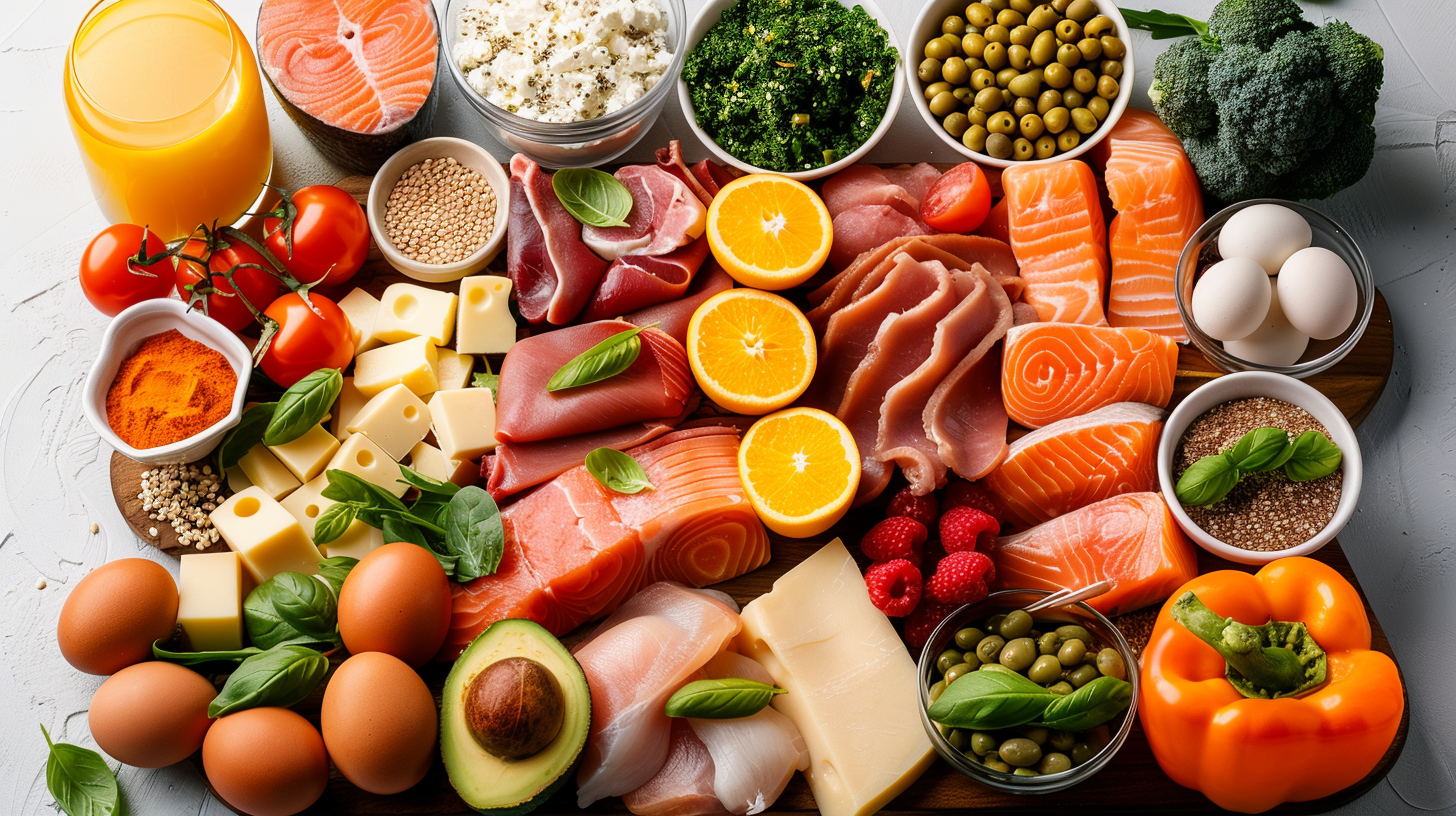
The comparison of plant-based diets and cancer risk in different cultures reveals diverse influences. Understanding how these diets affect cancer risk can help you make informed dietary choices for potentially reducing your risk of cancer.
Are There Specific Plant-Based Foods or Nutrients That Are Particularly Effective in Reducing Cancer Risk?
When it comes to reducing cancer risk, specific plant-based foods and nutrients play a crucial role.
Researchers have found that certain plant-based foods like cruciferous vegetables, berries, and turmeric contain compounds that may help in lowering the risk of cancer.
Additionally, nutrients like folate, vitamin C, and antioxidants found in plant-based diets are particularly effective in reducing cancer risk.
What Are the Potential Drawbacks or Limitations of a Plant-Based Diet in Reducing Cancer Risk?
When considering the drawbacks and limitations of a plant-based diet, it's important to be aware of potential health concerns and nutritional deficiencies.
In some cases, plant-based diets may not provide enough essential nutrients like vitamin B12, iron, and omega-3 fatty acids, which can impact overall health.
It's crucial to carefully plan and ensure a balanced intake of nutrients to mitigate these limitations and maintain optimal health while following a plant-based diet.
How Does the Impact of a Plant-Based Diet on Cancer Risk Compare to Other Lifestyle Factors, Such as Exercise or Smoking?
When comparing dietary impact on cancer risk, lifestyle factors like exercise and smoking play vital roles. Smoking significantly increases cancer risk, while exercise can reduce it.
However, the impact of a plant-based diet on cancer risk is noteworthy. Research suggests that a plant-based diet, rich in antioxidants and nutrients, can lower cancer risk.
When considering lifestyle factors, incorporating a plant-based diet can complement exercise in reducing cancer risk and counteracting the detrimental effects of smoking.
How Does the Impact of a Plant-Based Diet on Cancer Risk Vary Across Different Age Groups or Populations?

Eating a plant-based diet has different impacts on cancer risk across age groups and populations.
For children, it can have long-term effects on reducing the risk of cancer. Studies suggest that early adoption of a plant-based diet may contribute to a lower likelihood of developing certain types of cancer later in life.
Understanding these variations can help tailor dietary recommendations for different age groups and populations to potentially reduce cancer risk.
Conclusion
So, can a plant-based diet reduce the risk of cancer? The evidence from epidemiological studies suggests that it can.
As the saying goes, 'You are what you eat.' Choosing a plant-based diet may lower the risk of breast, prostate, colorectal, lung, and other types of cancer.
So, why not give it a try and see the potential benefits for yourself? It's never too late to make a positive change for your health.
Statistics
- Studies have shown that a plant-based diet can significantly reduce the risk of cancer.
- A plant-based diet can provide a wide range of phytochemicals, which have the potential to inhibit the growth of cancer cells.
- Research suggests that a plant-based diet can help maintain a healthy body weight, which is an important factor in reducing the risk of cancer.
- A plant-based diet can provide a higher intake of nutrients that are linked to a decreased risk of cancer, such as Vitamins C and E, folate, and beta-carotene.
- The high intake of fiber in a plant-based diet can promote regular bowel movements, lowering the risk of colorectal cancer.
- Following a plant-based diet has been associated with a reduced risk of developing liver cancer.
- Plant-based diets are naturally low in saturated fats, which may reduce the risk of certain types of cancer, including colorectal and breast cancer.
- Plant-based diets can support a healthy gut microbiome, which is believed to play a significant role in cancer prevention.
- Studies have observed a correlation between a plant-based diet and a decreased risk of developing pancreatic cancer.
- A plant-based diet is linked to a decreased risk of developing esophageal cancer.
External Links
- The Oncology Nutrition Dietetic Practice Group explores the relationship between plant-based diets and cancer prevention, highlighting the importance of a balanced plant-based diet for optimal health.
- National Health Service (NHS) provides information on plant-based foods and their potential role in reducing the risk of cancer and other chronic diseases.
- World Cancer Research Fund discusses the importance of plant-based foods in cancer prevention, emphasizing the consumption of fruits, vegetables, whole grains, and legumes.
- Physicians Committee for Responsible Medicine explains the link between dairy consumption and increased cancer risk, advocating for a plant-based diet as a healthier choice.
- Harvard T.H. Chan School of Public Health provides evidence-based information on the health benefits of consuming a wide variety of plant-based foods, including their potential role in reducing cancer risk.
- Cancer.Net provides practical tips on incorporating healthy eating habits, including increasing the consumption of plant-based foods to reduce the risk of cancer.
- Memorial Sloan Kettering Cancer Center discusses the benefits of a plant-based diet and its potential to reduce the risk of cancer, comparing it to a vegan diet.
- Dietary Cancer Prevention provides information on the advantages of plant-based diets in preventing cancer, including plant foods that have anti-cancer properties.
- Cancer Research UK offers statistics and research on the relationship between diet and cancer, including the impact of plant-based diets on reducing the risk of certain types of cancer.
- National Center for Biotechnology Information explores the scientific evidence supporting the role of plant-based diets in cancer prevention and the mechanisms involved.
How To
How to Optimize Your Fiber Intake for Cancer Prevention
Fiber plays a crucial role in reducing the risk of cancer. To optimize your fiber intake, incorporate a variety of whole grains, fruits, vegetables, legumes, nuts, and seeds into your daily meals. Start by choosing whole-grain bread, pasta, and cereals over refined options. Swap regular rice with brown rice or quinoa for added fiber. Include a colorful assortment of fruits and vegetables in every meal, and aim for at least five servings per day. Snack on fiber-rich foods like almonds, pistachios, and popcorn. Add legumes like chickpeas, lentils, and black beans to soups, stews, and salads. Gradually increase your fiber intake to the recommended daily levels (25-38 grams for adults) by incorporating these foods into your diet. Remember to drink plenty of water to help your body process the fiber effectively and maintain good digestive health.


.jpeg)
.png)


.png)