


Best Whole Foods for Hormonal Balance
When it comes to hormonal balance, you are what you eat. Incorporating the right whole foods into your diet can make a significant difference. From the mighty broccoli and creamy avocado to the crunchy walnuts and vibrant berries, these superfoods play a crucial role in supporting your body's hormonal health.
Not only are they delicious and versatile, but they also provide essential nutrients that can help regulate your hormones. Including these foods like flaxseeds, spinach, quinoa, salmon, Greek yogurt, and dark chocolate in your meals can contribute to a more balanced and harmonious internal environment.
So, let's explore the best whole foods for hormonal balance and give your body the nourishment it craves.
Quick Summary of Article
Key Takeaways
- Cruciferous vegetables like broccoli and spinach contain compounds that regulate estrogen levels and aid in hormonal balance.
- Healthy fats found in foods like avocado, walnuts, and olive oil support hormone production and regulation.
- Seeds and nuts such as flaxseeds, almonds, chia seeds, and pumpkin seeds provide essential nutrients like omega-3 fatty acids and zinc that contribute to hormonal health.
- Nutrient-rich greens like spinach, kale, and Swiss chard, as well as superfoods like maca root and ashwagandha, play a role in hormonal regulation and overall well-being.
Cruciferous Vegetables for Hormonal Balance
If you want to balance your hormones, incorporating cruciferous vegetables into your diet can be beneficial. Broccoli, in particular, offers various benefits for hormonal regulation. It contains a compound called indole-3-carbinol, which may help regulate estrogen levels in the body, potentially reducing the risk of hormone-related conditions.
Additionally, consuming avocado can also contribute to hormone balance. Avocados are rich in healthy fats, which are essential for hormone production and regulation. They provide oleic acid and monounsaturated fats, which benefit overall hormonal health.
Adding these foods to your diet, along with other whole foods like flaxseeds, walnuts, and spinach, can support a well-rounded approach to hormonal balance.
Healthy Fats for Hormone Support
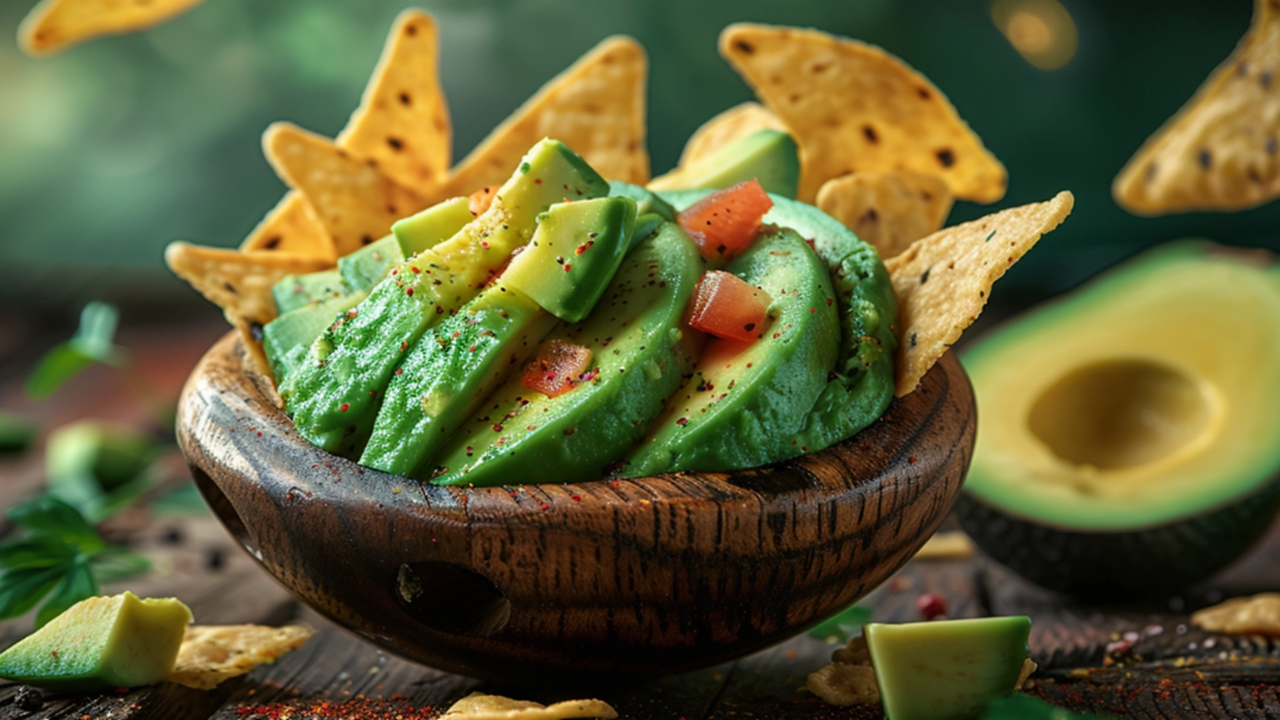
To support hormone balance, incorporate healthy fats into your diet through options like avocados, nuts, and olive oil. These fats are essential for hormone production and function.
Hormonal imbalances and diet are closely linked, and consuming healthy fats can help support overall hormonal health. Avocados are rich in monounsaturated fats, which are beneficial for hormone production and absorption. Nuts, such as walnuts, are high in omega-3 fatty acids, which can help reduce inflammation and support hormone balance. Olive oil is a source of healthy fats that can aid in producing hormones.
Including these healthy fats in your diet can be achieved through hormone-friendly recipes that incorporate avocados, nuts, and olive oil, providing delicious and nutritious options to support your hormonal health.
Seed and Nut Sources of Hormone Balance
Incorporate seeds and nuts into your diet to support hormonal balance and health.
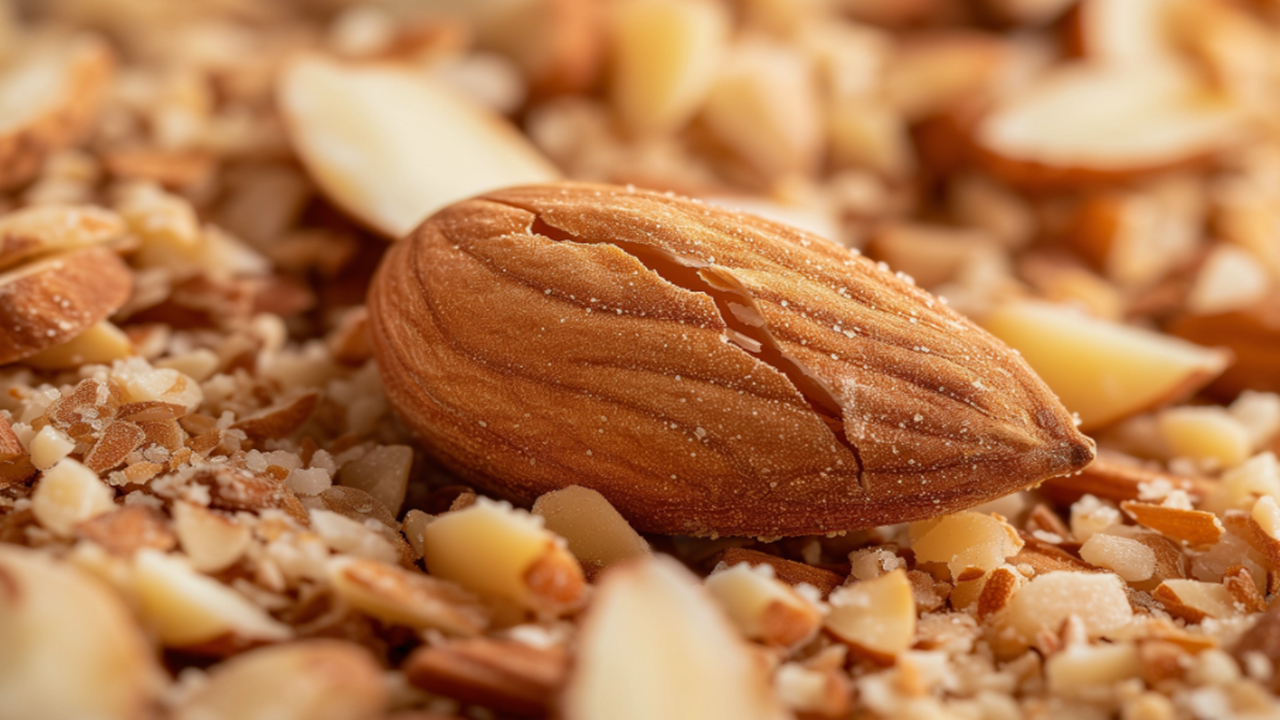
Almonds and chia seeds are excellent nutty options for hormone balance. Almonds are rich in magnesium, which plays a crucial role in supporting hormonal health, while chia seeds are packed with omega-3 fatty acids that aid in hormone production.
Additionally, pumpkin and sunflower seeds are valuable sources of hormone-balancing nutrients. Pumpkin seeds contain zinc, which is essential for balancing hormones, while sunflower seeds are high in vitamin E, an antioxidant that supports hormonal function.
Including these seed and nut options in your diet can contribute to overall hormonal balance and well-being.
Nutrient-Rich Greens for Hormonal Health
Include a variety of nutrient-rich greens in your diet to support hormonal health and balance.
Green superfoods like spinach, kale, and Swiss chard are packed with essential nutrients that aid in hormonal regulation. These greens are rich in vitamins A, C, and K, as well as minerals like calcium and magnesium, all of which play crucial roles in hormonal balance.

Cruciferous vegetables such as broccoli and Brussels sprouts contain compounds that support the liver in metabolizing hormones effectively. Moreover, leafy greens are high in fiber, which can help regulate insulin levels and reduce excess estrogen in the body.
Adding these greens to your meals can contribute to overall hormonal health and support your body's natural balance.
Superfoods for Hormonal Balance
For optimal hormonal balance, include these nutrient-dense superfoods in your diet. Hormonal imbalances can be influenced by lifestyle factors and nutrition plays a crucial role in supporting overall hormonal health. Incorporating hormone-regulating herbs and supplements can further aid in maintaining balance.
Superfoods such as maca root, ashwagandha, and holy basil are known for their hormone-balancing properties. Maca root, in particular, has been shown to support hormone production and balance estrogen levels.
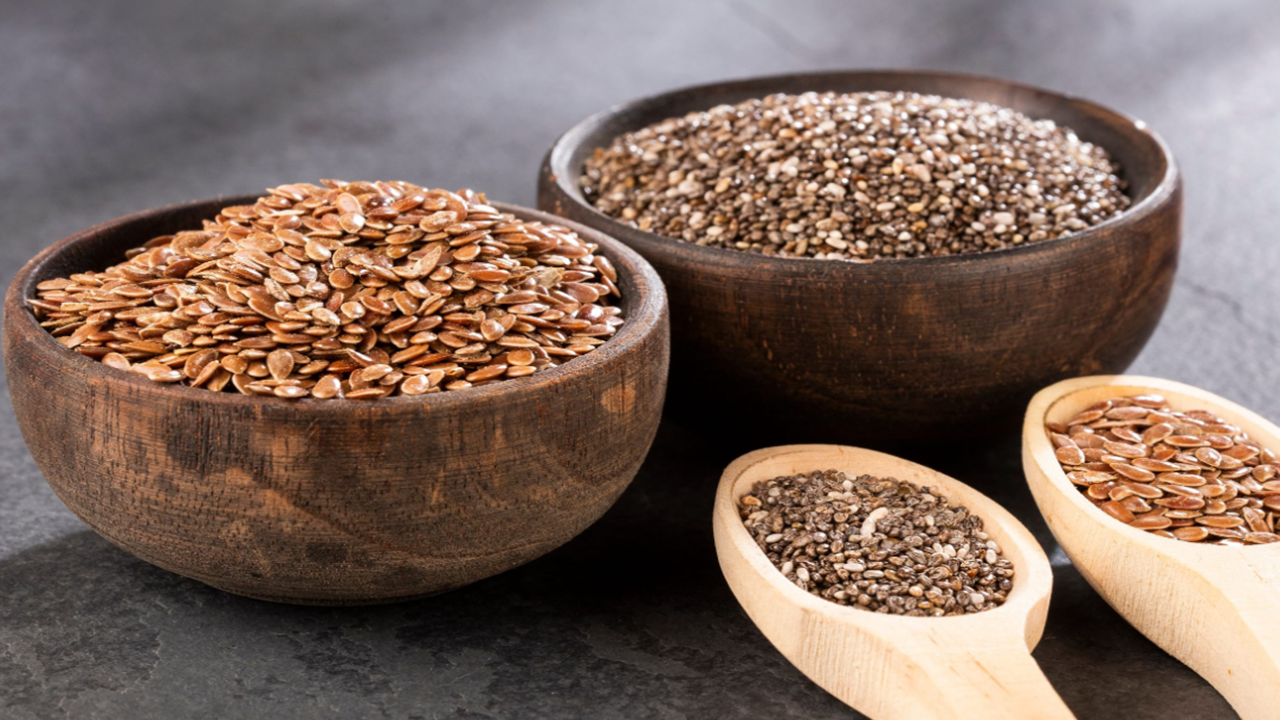
Additionally, flaxseeds and chia seeds contain omega-3 fatty acids and lignans, which may help regulate estrogen levels. Including these superfoods in your diet can contribute to hormonal balance and overall well-being.
It's important to consult with a healthcare professional before incorporating new herbs or supplements, especially if you have existing health conditions or are taking medications.
Frequently Asked Questions
Are There Any Specific Meal or Snack Ideas That Incorporate These Whole Foods for Hormonal Balance?
For meal ideas, you can try a quinoa salad with avocado, walnuts, and spinach.
Or a salmon and broccoli stir-fry.
As for snack options, you can have Greek yogurt with berries and flaxseeds.
Or a small serving of dark chocolate with walnuts.

These whole foods are rich in nutrients that support hormonal balance and can be easily incorporated into delicious and healthy meals and snacks.
Can These Whole Foods Help With Specific Hormonal Issues Like PCOS or Menopause Symptoms?
Whole foods like broccoli, avocado, flaxseeds, walnuts, spinach, berries, quinoa, salmon, Greek yogurt, and dark chocolate offer nutritional benefits that can help with specific hormonal issues like PCOS or menopause symptoms.
Incorporating these foods into your meal planning can provide essential nutrients such as fiber, healthy fats, antioxidants, and omega-3 fatty acids. These nutrients can support hormonal balance and alleviate symptoms associated with PCOS or menopause.
How Can I Incorporate These Whole Foods Into My Diet if I Have Dietary Restrictions or Allergies?
Incorporating whole foods with dietary restrictions can be challenging, but there are plenty of alternatives to consider.
When adapting recipes for specific dietary needs, try using ingredients like coconut milk or almond flour instead of dairy or wheat.

Substituting ingredients for allergies is possible by using options like sunflower seed butter in place of nut butter.
Being creative and open to trying new things can help you enjoy a balanced diet while accommodating your dietary restrictions.
Are There Any Potential Side Effects or Interactions With Medications When Consuming These Whole Foods for Hormonal Balance?
When consuming these whole foods for hormonal balance, potential interactions, and medication side effects should be considered.
While these whole foods offer benefits, it's important to be aware of any potential interactions with medications you may be taking.
Consult with a healthcare professional to ensure that incorporating these whole foods into your diet aligns with your current medication regimen and to avoid any adverse effects.

Are There Any Specific Cooking Methods or Preparation Techniques That Can Maximize the Hormonal Balance Benefits of These Whole Foods?
When it comes to hormonal balance, cooking methods can affect the benefits of whole foods.
Steaming broccoli and spinach helps retain their nutrients for hormonal health.
Grilling salmon preserves omega-3 fatty acids important for hormone production.
On the other hand, baking walnuts can help maintain their hormone-balancing properties.
Opt for raw dark chocolate to maximize its hormonal benefits.
Incorporating these cooking techniques can enhance the hormonal balance benefits of these whole foods.
Conclusion
So, there you have it! These whole foods aren't just good for your overall health, but they're also packed with nutrients that can help balance your hormones.
Incorporating these superfoods into your diet can make a world of difference in how you feel. Trust me, you won't believe the amazing benefits until you try it for yourself!
Statistics
- Dark chocolate is not only a tasty treat, but it also contains antioxidants that support hormone regulation.
- Adding berries, like blueberries and strawberries, to your diet can provide a boost of antioxidants that help balance hormones.
- Leafy greens, like spinach and kale, are packed with nutrients that support hormonal health.
- Adding maca root powder to your smoothies or meals can support hormonal balance and enhance energy levels.
- Quinoa is a nutrient-rich grain that can help balance hormones and stabilize blood sugar levels.
- Avocados are not only delicious, but they also contain healthy fats that can help balance hormones.
- Including lentils and beans in your diet can provide a good source of plant-based protein that promotes hormonal balance.
- Including fermented foods, like sauerkraut and kimchi, in your diet can promote a healthy gut and hormonal balance.
- Yogurt is a probiotic-rich food that can support gut health and hormonal balance.
- Wild-caught fish, such as salmon and sardines, are rich in omega-3 fatty acids that can support hormonal health.
External Links
- Prevention - Prevention explores 10 superfoods for women that can support hormonal balance, providing valuable nutritional information and recipe ideas.
- Healthline - Healthline provides a comprehensive list of whole foods that can help balance hormones and improve overall hormonal health.
- Mayo Clinic - Mayo Clinic explores the impact of diet on women's hormonal health and guides incorporating healthy foods into your daily meals.
- Parsley Health - Parsley Health shares 10 powerhouse foods that can help balance hormones, explaining the specific benefits of each food and how to enjoy them.
- Everyday Health - Everyday Health offers diet tips for menopausal women, focusing on whole foods that can support hormonal balance during this stage of life.
- Eat This, Not That! - This article highlights specific whole foods that can help balance hormones and provides tips on how to incorporate them into your meals.
- Be Well by Dr. Frank Lipman - Be Well provides a list of the top 10 foods to balance hormones naturally, along with tips for incorporating them into your daily meals.
- Women's Health Network - Women's Health Network shares a comprehensive guide to a hormonal balance diet, including a list of whole foods and meal suggestions.
- Dr. Axe - Dr. Axe offers a guide to the best foods for hormone balance, including a variety of whole foods and their specific benefits for hormonal health.
- Medical News Today - Medical News Today discusses the importance of a balanced diet for hormonal health and provides a list of whole foods that can support hormonal balance.
How To
How to Incorporate Cruciferous Vegetables for Hormonal Balance
Including cruciferous vegetables, such as broccoli and cauliflower, in your meals can promote hormonal balance. To incorporate cruciferous vegetables, try steaming or roasting them as a side dish. You can also sauté them with garlic and lemon for added flavor. Another option is to shred or chop them finely and add them to soups, stews, or stir-fries. Consuming cruciferous vegetables regularly can support your body's natural detoxification processes and help maintain hormonal balance. Experiment with different cooking methods and recipes to find ways to enjoy these nutritious vegetables in your diet.


.jpeg)
.png)


.png)