


Immerse yourself in the lush flavors of a Mediterranean diet and discover a pathway to lower cholesterol, reduced risk of heart disease, and more!
This dietary approach emphasizes fresh fruits, vegetables, whole grains, and heart-healthy fats like olive oil and nuts.
By incorporating these vibrant foods into your meals, you can actively reduce your cholesterol levels, lower your risk of heart disease, and manage your weight more effectively.
The Mediterranean diet also promotes improved blood pressure and overall cardiovascular health, making it a delicious and nutritious choice for enhancing your well-being.
Brief Article Synopsis
Key Takeaways
- Incorporate fruits and vegetables to increase fiber intake
- Consume whole grains to reduce cholesterol
- Include healthy fats like olive oil and nuts to lower LDL cholesterol
- Emphasize consumption of healthy fats, fruits, vegetables, whole grains, and lean proteins to reduce inflammation and achieve a healthier lipid profile
Lower Cholesterol
Lowering your cholesterol levels can be achieved through adopting a Mediterranean diet rich in fruits, vegetables, whole grains, and healthy fats. Making dietary changes to include these components can have a positive impact on your lipid levels.

By incorporating more fruits and vegetables, you can increase your fiber intake, which helps to lower cholesterol levels. Whole grains contain nutrients that can also contribute to reducing cholesterol. Additionally, healthy fats such as those found in olive oil and nuts can help lower LDL (bad) cholesterol levels.
These dietary adjustments can lead to a healthier lipid profile, reducing the risk of heart disease and improving overall cardiovascular health. Making these simple yet effective changes can have a significant impact on your cholesterol levels and overall well-being.
Reduced Risk of Heart Disease
By following a Mediterranean diet, you can reduce your risk of heart disease. This diet emphasizes the consumption of healthy fats, such as those found in olive oil, nuts, and fatty fish, which have been linked to a lower risk of heart disease.
Additionally, the Mediterranean diet is rich in fruits, vegetables, whole grains, and lean proteins, all of which contribute to reduced inflammation in the body. Chronic inflammation is a significant risk factor for heart disease, and by incorporating anti-inflammatory foods into your diet, you can help protect your heart health.
The combination of healthy fats and anti-inflammatory foods in the Mediterranean diet provides a powerful defense against heart disease, making it an excellent choice for maintaining a healthy heart.

Improved Blood Pressure
You can improve your blood pressure by adopting a Mediterranean diet. Dietary changes play a crucial role in managing blood pressure, and the Mediterranean diet offers a balanced approach to achieving this.
By emphasizing whole grains, fruits, vegetables, lean proteins, and healthy fats such as olive oil and nuts, this diet can positively impact your blood pressure levels.
Additionally, lifestyle modifications, like increasing physical activity and reducing stress, are also key components of the Mediterranean way of life. These changes can help lower your blood pressure and reduce the risk of developing hypertension, ultimately contributing to better heart health.
Making these adjustments in your diet and lifestyle can lead to significant improvements in your blood pressure, promoting overall well-being and longevity.
Weight Management
Improving weight management through a Mediterranean diet involves incorporating nutrient-dense foods and controlling portion sizes. Portion control and mindful eating are key components of the Mediterranean diet, as they help regulate calorie intake and promote healthy weight maintenance.

By being mindful of portion sizes and choosing nutrient-rich foods such as fruits, vegetables, whole grains, lean proteins, and healthy fats, you can effectively manage your weight.
Additionally, complementing your dietary habits with a regular exercise routine or physical activity further enhances the weight management benefits of the Mediterranean diet. Engaging in activities like brisk walking, swimming, or cycling can contribute to burning calories and improving overall fitness.
Increased Intake of Fruits and Vegetables
How can incorporating an increased intake of fruits and vegetables into your diet complement the weight management benefits of the Mediterranean diet?
By adding more fruits and vegetables to your meals, you can increase your fiber intake, which helps with improved digestion and can contribute to a feeling of fullness, aiding in weight management.
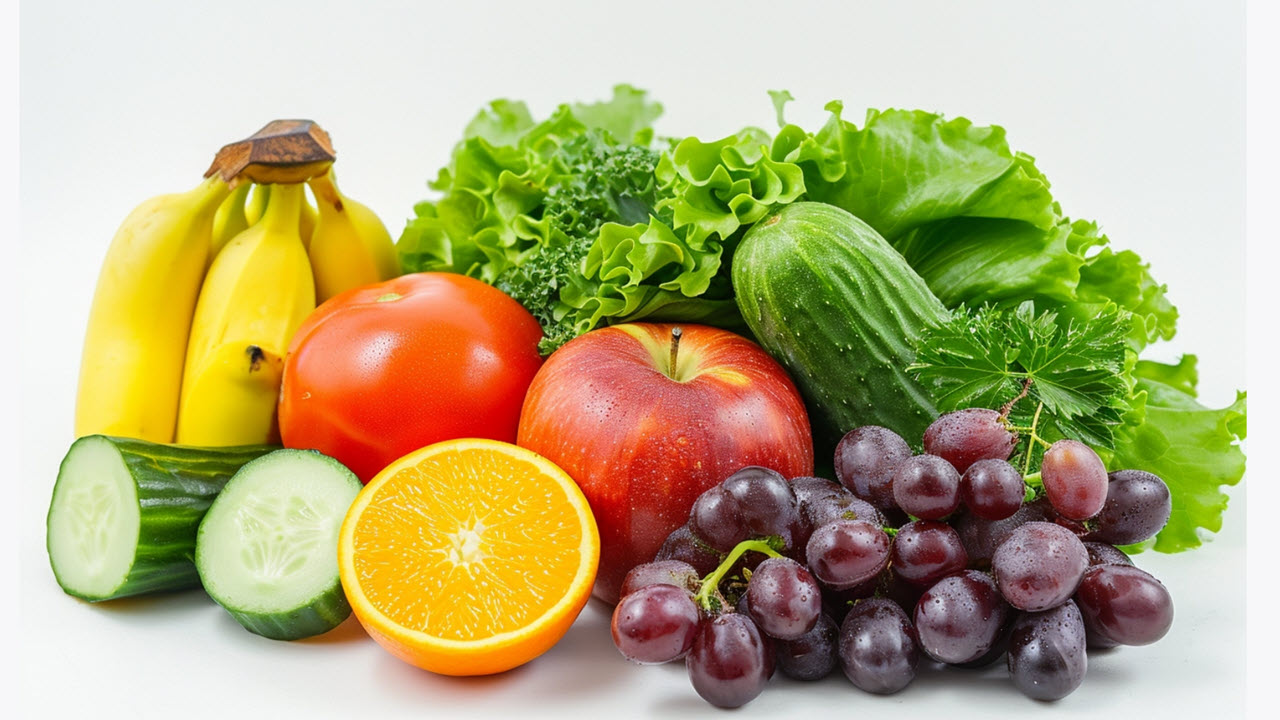
Additionally, fruits and vegetables are rich in antioxidants, which can help combat oxidative stress in the body and reduce inflammation, potentially lowering the risk of chronic diseases.
The Mediterranean diet emphasizes a variety of colorful fruits and vegetables, providing essential vitamins, minerals, and phytonutrients.
Frequently Asked Questions
Can a Mediterranean Diet Help With Conditions Other Than Heart Disease and Cholesterol, Such as Diabetes or Arthritis?
Sure, a Mediterranean diet can help with conditions other than heart disease and cholesterol. Research suggests that it may play a role in managing diabetes by improving insulin sensitivity and blood sugar control.
Additionally, the anti-inflammatory components of this diet, such as omega-3 fatty acids and antioxidants, may provide relief for arthritis symptoms.
It's important to consult with a healthcare professional to determine the best dietary approach for your specific health needs.
Are There Any Potential Drawbacks or Risks to Following a Mediterranean Diet, Especially for Individuals With Certain Health Conditions?
When considering a Mediterranean diet, it's important to be aware of potential risks for individuals with specific health conditions or dietary restrictions.

Some people with food allergies may need to be cautious due to the diet's emphasis on certain ingredients. Additionally, those with certain health conditions may need to monitor their intake of supplements or make adjustments to accommodate cooking restrictions.
Understanding these considerations can help you optimize your health while avoiding misconceptions about the diet's universal suitability.
How Can I Incorporate More Mediterranean-style Cooking Into My Meals if I Have Dietary Restrictions or Food Allergies?
If you have dietary restrictions or food allergies, adapting recipes to be more allergen-friendly can be a game-changer. Consider alluring alternatives like using nut-free pesto or swapping out dairy for creamy hummus.
Adapting Mediterranean-style cooking can be accessible and appetizing by exploring allergen-friendly swaps. Experiment with eggplant or zucchini noodles in place of pasta, or use gluten-free grains like quinoa for a hearty twist.
Embrace the endless possibilities and savor the flavors of the Mediterranean diet while accommodating your dietary needs.

What Are Some Common Misconceptions About the Mediterranean Diet That People Should Be Aware Of?
Common misconceptions about the Mediterranean diet may include it being only about pasta and wine, when in fact it's based on whole grains, fruits, and vegetables.
People may also think it's expensive, but it's adaptable to different budgets.
Another myth is that it's hard to follow, but it's focused on a balanced, enjoyable lifestyle.
Understanding the true nutrition guidelines and cultural adaptation can help you embrace the health benefits of this diet.
Are There Any Specific Supplements or Foods That Are Recommended to Complement a Mediterranean Diet for Optimal Health Benefits?
To truly maximize the benefits of a Mediterranean diet, consider supplement recommendations and dietary restrictions.

Omega-3 fatty acids from fish oil can complement the diet, aiding heart health.
Additionally, vitamin D and calcium supplements may be beneficial, especially if you have dietary restrictions.
Always consult with a healthcare professional to determine the right supplements for your specific needs.
Conclusion
In conclusion, a Mediterranean diet offers lower cholesterol, reduced risk of heart disease, improved blood pressure, and weight management.
It also provides an increased intake of fruits and vegetables.
By following this dietary approach, you can improve your overall health and well-being while enjoying delicious and nutritious meals.

So, why not give it a try and reap the benefits of a Mediterranean diet today?
Statistics
- A Mediterranean diet is associated with a lower risk of heart disease.
- The Mediterranean diet emphasizes the consumption of healthy fats, such as olive oil, which can improve heart health.
- Studies have shown that a Mediterranean diet can reduce the risk of developing type 2 diabetes.
- Consuming a Mediterranean diet rich in whole grains can improve digestive health and reduce the risk of gastrointestinal disorders.
- Following a Mediterranean diet may help reduce the risk of certain types of cancer, such as breast and colorectal cancer.
- Following a Mediterranean diet may reduce the risk of developing depression and improve overall mental well-being.
- A Mediterranean diet rich in fruits and vegetables can help maintain a healthy weight.
- The Mediterranean diet promotes a diverse and balanced intake of nutrients, which can support a healthy immune system.
- A Mediterranean diet can improve insulin sensitivity and help regulate blood sugar levels in individuals with diabetes.
- A Mediterranean diet can help protect against age-related vision problems, such as macular degeneration.
External Links
- National Center for Biotechnology Information - This research article discusses the potential protective effects of the Mediterranean diet on cognitive function and mental health.
- WebMD - WebMD explores the benefits of a Mediterranean diet, including its impact on heart health and weight management.
- Clinical Cardiology - This research article analyzes the potential role of a Mediterranean diet in the prevention and management of hypertension.
- Nutrients - This research article explores the health benefits of a Mediterranean diet for fertility and reproductive health.
- The American Journal of Medicine - This study published in The American Journal of Medicine highlights the potential benefits of a Mediterranean diet for cancer prevention and treatment.
- Journal of the Academy of Nutrition and Dietetics - This study published in the Journal of the Academy of Nutrition and Dietetics examines the effects of a Mediterranean diet on mental health and well-being.
- Harvard T.H. Chan School of Public Health - The Harvard School of Public Health provides an overview of the Mediterranean diet's health benefits and evidence-based guidelines.
- Healthline - Healthline offers a comprehensive Mediterranean diet meal plan with recipes and tips for creating balanced and nutritious meals.
- Journal of the American Medical Association - This study published in JAMA examines the association between adherence to a Mediterranean diet and the risk of cardiovascular events.
- NHS (National Health Service) - The NHS website explains how to follow a Mediterranean diet in the UK, including food choices and portion sizes.
How To
How To Maintain a Social Life while Following a Mediterranean Diet
Maintaining a social life while following a Mediterranean diet is completely possible and enjoyable. When attending social events or gatherings, communicate your dietary preferences to the host or event organizer in advance. Offer to contribute a Mediterranean-inspired dish or offer to bring a healthy appetizer or salad to share. Look for options on the menu that align with the Mediterranean diet, such as grilled seafood, vegetable-based dishes, or salads. Enjoy the social aspect of the gathering and focus on spending quality time with friends and loved ones rather than solely on the food. Remember that the Mediterranean lifestyle extends beyond just what you eat and encompasses the joy of connection and celebration.


.jpeg)
.png)


.png)