

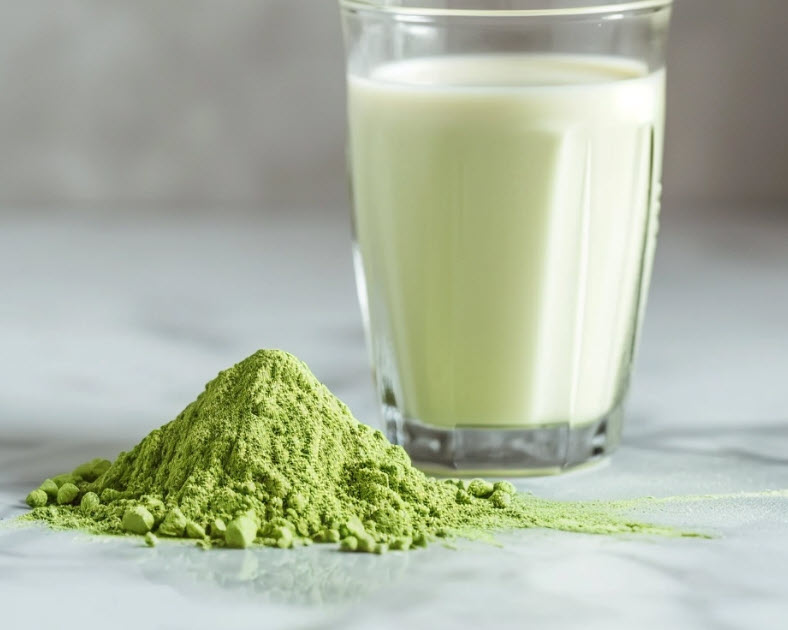
Are Plant-Based Protein Powders Suitable for Athletes Looking to Build Muscle?
Are you seeking a protein source that fuels your muscles like a well-oiled machine?
Plant-based protein powders may be the answer. Packed with essential amino acids, they promote muscle recovery and support growth, helping you reach your athletic goals.
Pea protein offers a complete amino acid profile, supporting muscle repair and development.
Hemp protein, rich in omega-3 and omega-6 fatty acids, aids in reducing inflammation and muscle soreness.
Brown rice protein provides a steady release of energy, ideal for sustained workouts.

These plant-based options can be effective allies in your muscle-building journey.
Summary of Article
Key Takeaways
- Plant-based protein powders like pea protein, hemp protein, and brown rice protein provide a complete amino acid profile, making them suitable for athletes looking to build muscle.
- These plant-based protein sources contain all nine essential amino acids necessary for protein synthesis, including crucial amino acids like leucine, isoleucine, and valine.
- Plant-based protein powders aid in reducing muscle inflammation after exercise and effectively support post-workout muscle recovery.
- Pea protein, hemp protein, and brown rice protein offer high-quality protein sources for muscle growth and are easily digestible, making them suitable for individuals with dietary restrictions or sensitivities.
Essential Amino Acids in Plant-Based Protein
To build muscle effectively with plant-based protein powders, you need to ensure they contain all the essential amino acids your body requires for muscle growth and recovery. Plant-based protein sources such as pea protein, hemp protein, and brown rice protein can provide a complete amino acid profile, making them suitable for muscle building.
These proteins contain essential amino acids like leucine, isoleucine, and valine which are crucial for muscle protein synthesis and recovery. Research has shown that combining different plant-based protein sources can enhance the amino acid profile, ensuring that you get all the essential building blocks for muscle growth.
Muscle Recovery Benefits
Plant-based protein powders offer essential amino acids, promoting quicker muscle recovery after intense workouts. Post-workout nutrition plays a crucial role in muscle repair and growth. Protein synthesis, the process by which cells build new proteins, is essential for muscle recovery.
Plant-based protein powders, such as pea protein, hemp protein, and brown rice protein, contain all nine essential amino acids necessary for protein synthesis. These amino acids aid in reducing muscle inflammation and promoting muscle repair after exercise. Research suggests that plant-based protein powders can effectively support post-workout muscle recovery, making them suitable for athletes looking to build muscle.

Support for Muscle Growth
Support muscle growth by incorporating plant-based protein powders into your post-workout routine. These powders provide essential amino acids necessary for protein synthesis. Muscle building requires an adequate intake of protein, and plant-based options such as pea protein, hemp protein, and brown rice protein offer high-quality protein sources essential for muscle development.
These plant-based protein powders contain all nine essential amino acids, including the branched-chain amino acids (BCAAs) like leucine, isoleucine, and valine. Leucine, in particular, plays a crucial role in promoting muscle protein synthesis, which is essential for muscle growth and repair.
Studies have shown that plant-based protein powders, when consumed in adequate amounts, can effectively support muscle growth and aid in post-exercise recovery. Incorporating these protein sources into your diet can help you achieve your muscle-building goals while adhering to a plant-based lifestyle.
Benefits of Pea Protein
Incorporate pea protein into your post-workout routine to benefit from its high content of essential amino acids necessary for muscle growth and recovery. Pea protein offers numerous benefits for athletes.
It contains all nine essential amino acids, including branched-chain amino acids (BCAAs) like leucine, which are crucial for muscle building. Research has shown that pea protein can be as effective as whey protein in promoting muscle thickness and strength gains when combined with resistance training.

Additionally, pea protein is easily digestible and hypoallergenic, making it suitable for individuals with dietary restrictions or sensitivities. Its high arginine content also supports healthy blood flow, aiding muscle repair and growth.
Furthermore, pea protein is a sustainable and environmentally friendly protein source, aligning with ethical and eco-conscious dietary choices.
Hemp and Brown Rice Protein Benefits
When looking to build muscle and promote muscle recovery, you can benefit from the essential amino acids found in hemp and brown rice protein powders.
Hemp protein is versatile, containing all nine essential amino acids, making it a complete protein source. It also provides a good balance of omega-3 and omega-6 fatty acids, which can help reduce inflammation and support overall heart health.
Brown rice protein, on the other hand, is easily digestible and hypoallergenic, making it suitable for individuals with sensitive stomachs or dietary restrictions. It contains a significant amount of branched-chain amino acids (BCAAs) like leucine, which are essential for muscle recovery and growth.

Both hemp and brown rice protein powders offer valuable nutritional benefits that can support your muscle-building and recovery goals.
Frequently Asked Questions
Are There Any Potential Drawbacks or Side Effects of Using Plant-Based Protein Powders for Muscle Building?
When considering plant-based protein powders for muscle building, it's crucial to weigh potential risks.
Long-term effects, such as nutrient deficiencies, can occur if protein sources lack essential amino acids.
While pea, hemp, and brown rice protein can support muscle growth and recovery, some individuals may experience gastrointestinal issues or allergic reactions.
It's wise to consult a nutritionist to ensure you're meeting your body's needs and minimize any potential drawbacks.

Can Plant-Based Protein Powders Be Easily Incorporated Into a High-Protein Diet for Athletes?
Incorporating plant-based protein powders into meal prep is a cinch for athletes. Athletes' favorite plant-based protein powders like pea, hemp, and brown rice contain essential amino acids that promote muscle recovery and support muscle growth.
They're easily added to smoothies, shakes, or baked goods for a convenient protein boost. Plus, they're a great way to supplement a high-protein diet and meet your muscle-building goals.
Are There Any Specific Recommendations for Timing and Dosage of Plant-Based Protein Powders for Optimal Muscle Growth?
To maximize muscle growth, it's essential to time your plant-based protein powder intake strategically. Aim to consume a serving within 30 minutes post-workout to support muscle recovery and growth.
As for dosage, aim for about 20-25 grams per serving to optimize muscle protein synthesis.
Look for plant-based proteins like pea, hemp, or brown rice, which are rich in essential amino acids crucial for muscle repair and growth.

How Do Plant-Based Protein Powders Compare to Traditional Animal-Based Protein Powders in Terms of Muscle Building Benefits?
When comparing plant-based and animal-based protein powders for muscle building, plant-based options like pea, hemp, and brown rice protein provide essential amino acids and support muscle recovery and growth. While animal-based powders have long been popular, plant-based sources are gaining recognition for their effectiveness.
Athletes can benefit from incorporating plant-based protein powders into their nutrition plan for muscle development, with the added advantages of being environmentally friendly and suitable for various dietary preferences.
Can Athletes With Specific Dietary Restrictions, Such as Gluten-Free or Soy-Free, Still Benefit From Using Plant-Based Protein Powders for Muscle Building?
Looking for gluten-free options with performance benefits? Plant-based protein powders, like pea, hemp, and brown rice protein, are great choices. They provide essential amino acids, promote muscle recovery, and support muscle growth.
These powders are suitable for athletes with dietary restrictions and can be effective for muscle building. When choosing a plant-based protein powder, ensure it meets your dietary needs and provides the necessary nutrients for muscle development.
Conclusion
In conclusion, plant-based protein powders can be suitable for athletes looking to build muscle. They contain essential amino acids, promote muscle recovery, and support muscle growth.

Pea protein offers benefits such as high levels of branched-chain amino acids, while hemp and brown rice protein provide additional muscle-supporting benefits.
So, whether you're looking to recover from a tough workout or support muscle growth, plant-based protein powders can be a valuable addition to your diet.
Statistics
- Plant-based protein powders are a convenient option for athletes who are on the go and need a quick and portable source of protein.
- Plant-based protein powders are generally lower in fat and cholesterol compared to animal-based protein powders.
- Some plant-based protein powders are specifically formulated to support muscle building and contain additional ingredients like creatine and glutamine.
- Plant-based protein powders are often easier to digest than animal-based protein powders, reducing the risk of digestive discomfort during intense workouts.
- Many plant-based protein powders offer a complete amino acid profile, which is essential for muscle growth and recovery.
- Plant-based protein powders can be easily incorporated into pre- or post-workout shakes, smoothies, or baking recipes.
- Plant-based protein powders are suitable for athletes of all levels, from beginners to elite-performance athletes.
- Many athletes report experiencing increased muscle recovery and reduced muscle soreness when using plant-based protein powders.
- Consuming plant-based protein powders can help athletes meet their daily protein needs, which is crucial for muscle growth and repair.
- Athletes who use plant-based protein powders often experience improved energy levels and endurance during workouts.
External Links
- Healthline: Healthline provides a comprehensive guide to vegan protein powder, including its suitability for athletes looking to build muscle.
- National Institutes of Health (NIH): The NIH presents research on protein supplements, including plant-based options, and their effect on muscle growth in athletes.
- Men's Health: Men's Health explores the benefits of vegan protein for athletes who want to build muscle.
- Healthline (Best Vegan Protein Powders): Healthline provides a list of the best vegan protein powders for athletes, considering factors like quality and taste.
- PubMed (Vegan Diets): A study published on PubMed analyzes the potential benefits and drawbacks of vegan diets for muscle building and exercise performance in athletes.
- Verywell Fit: Verywell Fit explains the benefits of plant-based protein powder for athletic performance, including muscle growth and recovery.
- PubMed: A study published on PubMed examines the effects of plant-based protein supplementation on muscle strength and recovery in athletes.
- PMC (Soy Protein): The PMC provides an in-depth review of the effects of soy protein supplementation on muscle protein synthesis and recovery in athletes.
- Bodybuilding.com: Bodybuilding.com provides six ways to incorporate more plant-based protein into an athlete's diet, highlighting its muscle-building potential.
- mindbodygreen: mindbodygreen explores whether athletes should consider a plant-based diet for optimal fitness, including muscle building.
How To
How to Combine Plant-Based Protein Powder with Resistance Training for Muscle Building
Combining plant-based protein powder with resistance training is an effective strategy for muscle building. First, determine your daily protein needs based on your body weight and activity level. Then, incorporate plant-based protein powder as part of your pre- and post-workout nutrition. Before your workout, consume a serving of protein powder to provide your muscles with a steady supply of amino acids during training. After your workout, have another serving of protein powder to jumpstart the muscle recovery process. It's also important to pair your protein powder with a balanced diet that includes a variety of whole foods to ensure you're getting all the necessary nutrients for muscle building. Lastly, focus on progressive overload during resistance training by gradually increasing the intensity, volume, or frequency of your workouts to continue stimulating muscle growth. Together, resistance training and plant-based protein powder can help you achieve your muscle-building goals.
.jpeg)
.png)

.png)