


As someone who loves fitness, I've gone through many workouts and dealt with the inevitable sore muscles that come after. I see this soreness as a sign that my body is getting stronger, but I also know it's important to take care of my muscles for the next workout. Through my experience, I've found effective ways to ease muscle pain that are backed by science and can fit into any fitness routine.
It's not just about stretching or taking a hot shower; other methods can make a big difference in how you feel after a workout.
One important strategy is to prioritize proper nutrition, ensuring that your body has the nutrients it needs to repair and rebuild muscles. Consuming a protein shake or a meal with lean protein and healthy carbohydrates after a workout can support muscle recovery.
In addition to nutrition, using foam rollers or getting a sports massage can also help relieve muscle tension and soreness.
It's crucial to remember that finding the right recovery methods for your body may take some trial and error. Pay attention to how your body responds to different strategies and adjust as needed.
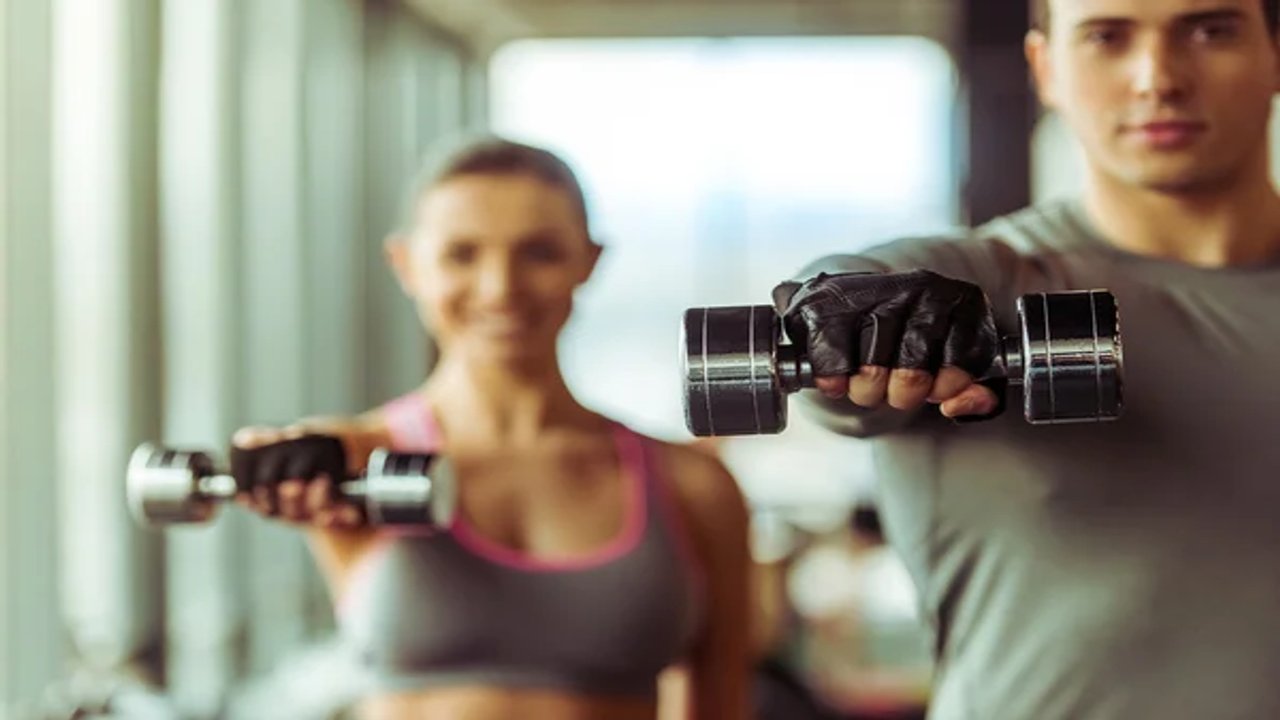
Overall, taking care of your muscles after a workout is essential for long-term fitness progress.
Short Article Summary
Recognizing Inflammation Symptoms
After a tough workout, it's important to recognize the difference between normal muscle soreness and signs of inflammation. Typical muscle soreness, known as delayed onset muscle soreness (DOMS), usually sets in 24 to 48 hours after exercise and gradually goes away in a few days. It's a natural part of pushing your body during workouts.
Inflammation, on the other hand, is your body's response to injury and can happen if you've overexerted yourself or used improper technique. Look out for symptoms that go beyond the usual discomfort of DOMS. If the affected area is unusually warm, or visibly swollen, or if the pain gets worse instead of better over time, these are clear signs of inflammation.
If the soreness severely limits your range of motion or if you experience sharp, acute pain during movement, it's important to take these signs seriously. This isn't just about discomfort; it's about understanding when your body needs help. Pay attention to these signals and consider consulting with a healthcare professional if you suspect inflammation. This can help prevent further damage and ensure proper recovery.
Hydration and Nutrition Essentials
To reduce muscle soreness and aid recovery, it's essential to focus on proper hydration and nutrition. After a tough workout, my body's need for fluids and nutrients increases significantly. The goal is to replenish what's lost and provide the necessary building blocks for repair.

Staying hydrated is crucial; I make sure to drink water before, during, and after exercising. It's not just about quenching thirst—sufficient fluid intake helps prevent muscle cramps and supports the metabolic processes necessary for muscle recovery.
In terms of nutrition, I pay attention to a balanced intake of proteins, carbohydrates, and fats. Proteins are crucial for repairing muscle fibers, while carbohydrates refuel glycogen stores. Fats are also important for hormone production and overall health.
Here's a simple breakdown of the importance of these essentials:
- Water: Hydrates and prevents cramps, providing relief.
- Protein: Repairs muscle fibers, offering reassurance.
- Carbs: Restores energy levels, giving comfort.
I follow this approach, understanding that each component contributes to how I feel after a workout. When I'm mindful of my hydration and nutrition, my body feels nourished, comforted, and ready to take on the next challenge.
Importance of Rest and Sleep
Rest and sleep are crucial for muscle recovery and overall well-being. When we sleep, our bodies repair muscle tissue and release growth hormone, which is essential for muscle growth and repair. It's not just downtime; it's a critical period for the body to rejuvenate.
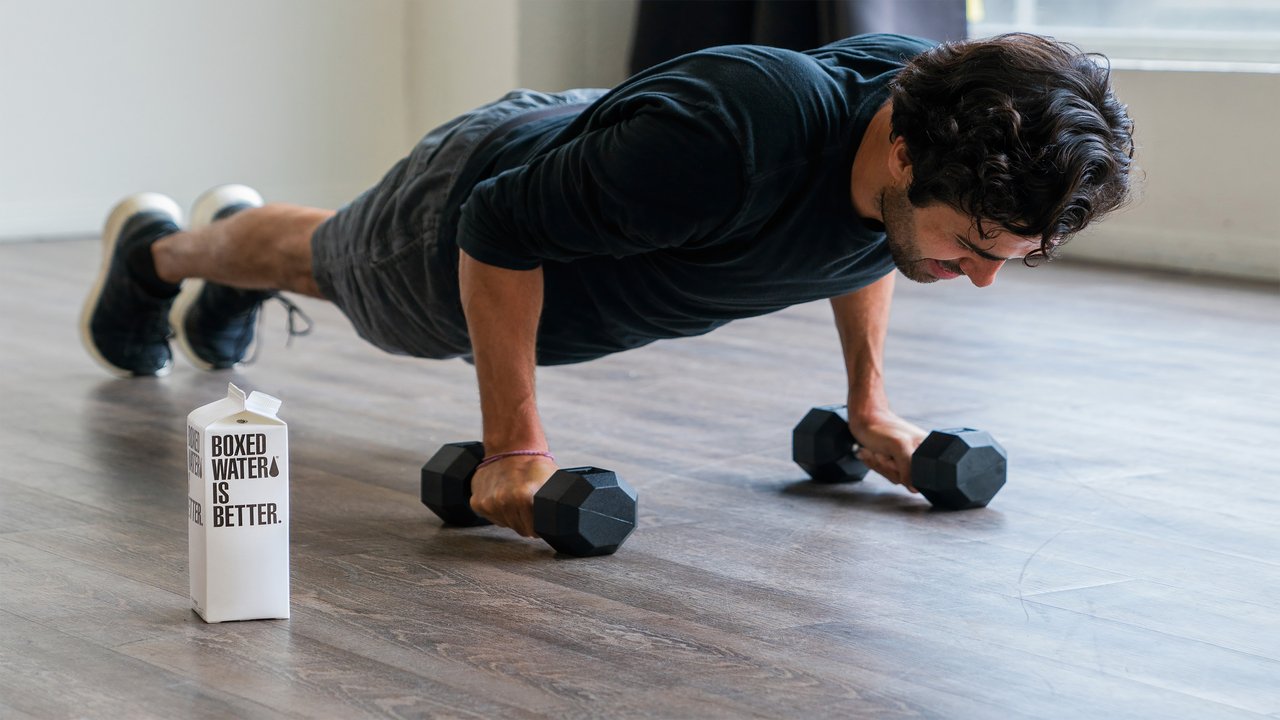
I've found that getting 7 to 9 hours of quality sleep each night is important for my muscle recovery and performance. Quality matters too, so I stick to a consistent sleep routine and create a restful environment. This discipline has had a positive impact on my training and overall health.
In addition to prioritizing sleep, I make sure to incorporate rest days into my workout routine. These breaks allow my muscles to recover from intense exercise, reducing the risk of injury and setting the stage for stronger, more resilient muscle fibers. It's all part of a holistic approach to fitness and well-being.
Active Recovery Strategies
When it comes to recovering from workouts, I've learned that incorporating active recovery strategies into my routine can make a big difference. Active recovery involves low-intensity exercise that helps my muscles heal and improves my overall fitness. It's important because it boosts blood flow to the muscles, delivering essential nutrients for repair and clearing out waste products that build up during intense workouts.
I have three go-to active recovery strategies that I find helpful:
- Low-impact cardio: I like to go for a swim, hop on a bike, or take a brisk walk. These activities increase circulation without putting too much stress on my muscles. They also promote flexibility and can reduce muscle soreness.
- Gentle stretching and mobility exercises: I focus on dynamic stretches that mimic the movements I do during my workouts. This helps improve my range of motion and lowers my risk of injury. I also incorporate mobility work like yoga or Pilates, which strengthen my core, improve my posture, and enhance my muscular balance.
- Massage and self-myofascial release: Using tools like foam rollers or massage balls, I target specific muscle groups to relieve tension and improve tissue elasticity.
These strategies not only help with muscle soreness but also contribute to my long-term athletic performance. By staying active at a lower intensity, I can maintain a consistent level of activity, which I've found to be more beneficial than complete rest. It's all about finding the right balance to allow my body to recover while still staying engaged in my fitness journey.

Cold Vs. Heat Therapy
Deciding between cold and heat therapy is crucial for managing post-workout muscle soreness.
Cold therapy, or cryotherapy, is great for reducing inflammation and numbing sore tissues right after exercising. Using ice packs or cold compresses for about 20 minutes can decrease blood flow and ease discomfort.
On the other hand, heat therapy is perfect for promoting blood flow and helping muscles relax. It's best for relieving persistent stiffness or muscle spasms that aren't inflamed. A warm bath or a heating pad can soothe chronic aches and improve flexibility.
Conclusion
After trying out these recovery techniques, I've come to realize how crucial they are for my muscle recovery. Whether it's staying hydrated, getting enough sleep, or using cold and heat therapy, each method plays a vital role in helping my muscles recover.
I've learned that rest and active recovery aren't just helpful, they're necessary for my progress. Now, I make sure to prioritize post-workout recovery just as much as my training, knowing that every sore muscle today will lead to a stronger me tomorrow.

Frequently Asked Questions
Are there any natural remedies for muscle soreness?
Yes, several natural remedies can help with muscle soreness. These include applying arnica gel or oil, using essential oils like lavender or eucalyptus in a massage oil, taking a warm Epsom salt bath, or drinking herbal teas with anti-inflammatory properties.
Should I take a rest day if my muscles are sore?
Yes, it's important to listen to your body and take a rest day if your muscles are particularly sore. Resting allows your body to recover and reduces the risk of injury. You can still engage in light activities like walking or stretching on rest days.
What role does rest play in muscle recovery?
Rest is crucial for muscle recovery as it allows your body to repair and rebuild the damaged muscle fibers. Adequate rest days between workouts give your muscles time to recover and grow stronger.
Is it better to use heat or cold therapy for sore muscles?
Both heat and cold therapy can be effective in soothing sore muscles, but the choice depends on the nature of your soreness. Cold therapy is ideal for acute injuries or inflammation, while heat therapy is better for chronic muscle tightness or stiffness.
Can foam rolling help with muscle soreness?
Yes, foam rolling can help alleviate muscle soreness by applying pressure to trigger points and releasing tension in the muscles. It can also improve circulation and promote faster recovery.
Statistics
- According to a study, individuals who drink tart cherry juice before and after exercise experience less muscle soreness and inflammation.
- Studies have indicated that using foam rollers can effectively reduce muscle soreness and improve flexibility.
- Research has shown that individuals who practice deep breathing exercises after a workout experience less muscle soreness than those who don't.
- Studies suggest that individuals who consume a balanced diet rich in vitamins and minerals have decreased muscle soreness and improved recovery after exercise.
- Research has shown that getting a massage after a workout can help decrease muscle soreness by reducing inflammation and improving circulation.
- According to a study, individuals who take over-the-counter anti-inflammatory medications after a workout experience less muscle soreness the following day.
- According to a survey, 85% of individuals who use cold therapy, such as ice packs or cold baths, experience relief from muscle soreness.
- A study found that individuals who consume a post-workout protein shake within 30 minutes of exercising have reduced muscle soreness compared to those who don't.
- Research has shown that individuals who engage in regular meditation or relaxation techniques have reduced muscle soreness and improved overall well-being.
- Research suggests that individuals who practice yoga regularly experience less muscle soreness and greater overall flexibility.
External Links
- SELF: SELF offers a guide on how to effectively use foam rollers to relieve muscle soreness and improve flexibility.
- Fitness Magazine: Fitness Magazine offers tips for recovering after an intense workout, including nutrition advice and rest and recovery strategies.
- Runner's World: Runner's World explains the science behind muscle soreness and provides practical advice for managing post-workout pain.
- Prevention: Prevention offers tips to recover faster from workouts, including nutritional strategies, active recovery exercises, and stress reduction techniques.
- Runner's Blueprint: Runner's Blueprint shares effective post-run recovery techniques, including nutrition, stretching, foam rolling, and rest days.
- Experience Life: Experience Life guides how to refuel and recover after exercise, focusing on optimal nutrition, hydration, and rest.
- Better Health Channel: The Better Health Channel provides information on muscle strains, including prevention, treatment, and recovery tips to soothe sore muscles.
- Active: Active provides information on the truth about muscle soreness, including why it occurs and how to embrace it as a sign of progress.
- NHS: The NHS explains the importance of stretching after exercise and provides step-by-step instructions for various stretching exercises.
- Mayo Clinic: Mayo Clinic offers tips on stretching exercises to prevent and relieve muscle soreness after a workout.
How To
How to Incorporate Active Recovery Exercises into Your Routine
To incorporate active recovery exercises, choose light-intensity activities that promote blood flow and mobility without adding stress to your muscles. Options include gentle yoga, swimming, or going for a leisurely walk or bike ride. Aim for 20-30 minutes of activity on your rest days to help alleviate soreness and aid in recovery.
.jpeg)
.png)


.png)