


Do you ever wonder why your muscles hurt after a tough workout and what you can do to ease the discomfort? As someone who loves fitness and writing, I've spent years learning about muscle soreness and the best ways to soothe it.
Feeling the burn can be satisfying, but the stiffness and aches that follow shouldn't be a regular part of your routine. In this discussion, I'll share insights into the science behind post-workout inflammation, signs of overexertion you shouldn't ignore, and essential recovery techniques like nutrition and stretching.
Let's explore lesser-known remedies and proven methods that could make your recovery something to look forward to, not just endure. Remember, taking care of your body after a workout is crucial for long-term fitness success.
Short Article Overview
Understanding Inflammation Symptoms
To effectively manage muscle soreness after a workout, it's important to recognize the common symptoms of inflammation. These symptoms typically include redness, swelling, heat, pain, and sometimes loss of function in the affected muscles. They're your body's natural response to microscopic damage to muscle fibers caused by physical activity.
Swelling occurs as fluid and white blood cells rush to the site, playing a crucial role in the healing process. Redness and heat result from increased blood flow, which delivers nutrients and removes debris. Pain serves as a warning to reduce activity and allow for recovery. Loss of function, although less common, indicates the need for rest to repair the affected tissues.
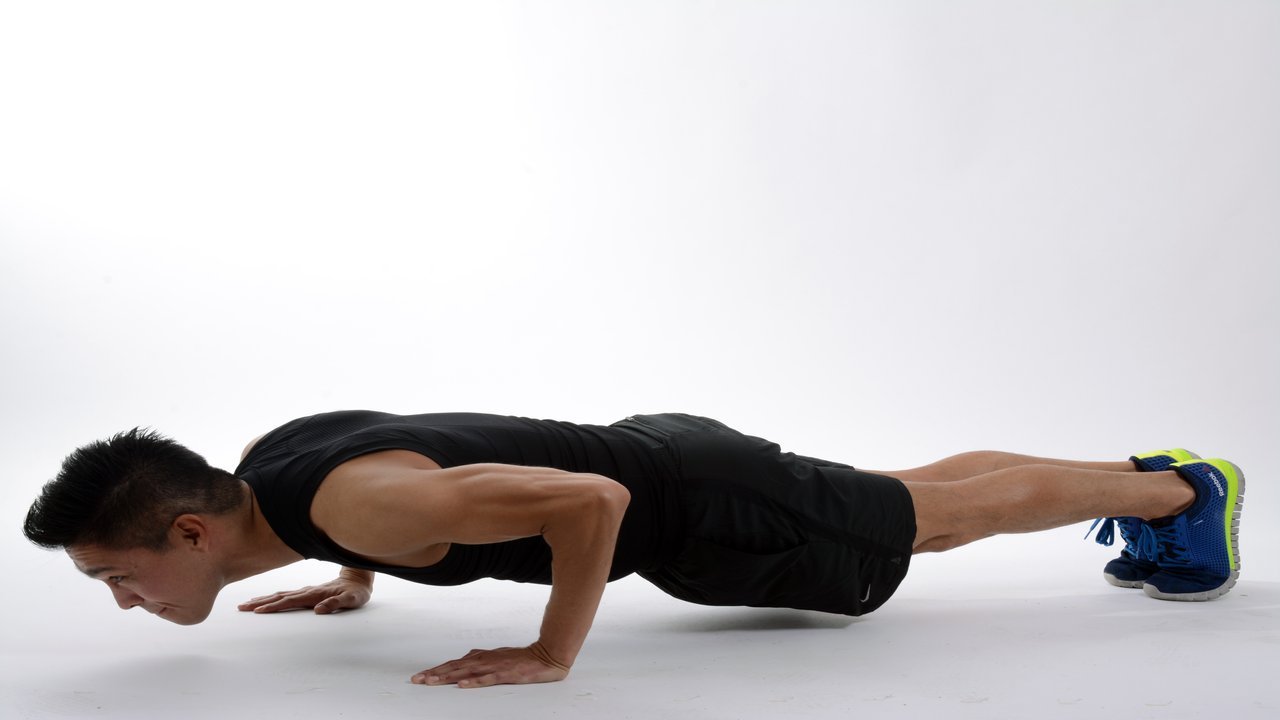
It's important to listen to your body's signals. Mild to moderate inflammation is normal after a strenuous workout, especially when trying new exercises or increasing intensity. However, persistent or severe symptoms may require medical attention.
To manage inflammation and promote muscle recovery, gentle stretching, adequate hydration, and proper nutrition are recommended. Consider consulting with a healthcare provider before using anti-inflammatory medications to ensure they're appropriate for your situation.
Recognizing Overexertion Signs
Recognizing when I push my body too hard during exercise is crucial for preventing injury and staying safe on my fitness journey. Overexertion happens when I push my body beyond its limit, putting me at risk for muscle strain and overall fatigue. Signs of overexertion include feeling extremely sore for several days, experiencing sudden or sharp pain in my muscles or joints, and noticing a higher resting heart rate in the morning, indicating that my body is still recovering from previous exertion.
If I feel dizzy, have trouble breathing, or notice irregular heartbeats during exercise, it's important to stop and take a break. Listening to my body and understanding the difference between regular workout fatigue and more serious signs of overexertion is crucial. I also need to make sure I stay hydrated, as dehydration can make fatigue worse and contribute to overexertion.
To avoid these risks, I should incorporate rest days into my workout routine and vary the intensity and type of exercise. Proper nutrition and enough sleep are also essential for supporting recovery.
Nutrition and Recovery Essentials
Nutrition is crucial for muscle recovery, and getting the right amount of protein is key for repairing and rebuilding muscle fibers after a workout. It's not just about eating protein; it's about when and what kind of protein you eat. To get the most benefits, aim to have some protein within 30 minutes after your workout, called the anabolic window.
Here are a few things I always keep in mind:
- Protein Quality: I go for high-quality, complete proteins that have all the essential amino acids. Good options include whey protein, casein, eggs, or plant-based blends for those who can't have dairy or are vegan.
- Carbohydrate Co-Ingestion: Carbs are important too, as they help replenish glycogen stores. I pair my protein with a carb source, like fruit or whole-grain bread, to help with muscle glycogen recovery.
- Hydration: Rehydration is crucial, so I make sure to replace the fluids I lost during my workout. I also include electrolytes in my post-workout drink to help with recovery and prevent cramps.
Following these steps has helped me reduce muscle soreness and improve my recovery time, which allows me to stay consistent with my workouts. Remember, recovery is just as important as the workout itself.
Hydration and Muscle Healing
Staying properly hydrated is crucial for muscle recovery after exercise. Water isn't just for quenching your thirst; it plays a vital role in the physiological processes that help your muscles heal and function effectively.
Water helps transport nutrients and oxygen to your muscle cells, which is essential for repairing the small tears that occur during intense workouts. It also helps remove waste products, such as lactic acid, that build up during exercise and can contribute to muscle soreness.

To ensure I stay hydrated, I make sure to drink water before, during, and after my workouts. I aim to drink about 17 to 20 ounces of water two to three hours before exercising, 8 ounces during warm-up, and then 7 to 10 ounces every 10 to 20 minutes depending on the intensity of the exercise.
After my workout, I replace all the fluids lost through sweat. I also pay attention to the color of my urine as a simple indicator of hydration levels – pale yellow means I'm well-hydrated, while a darker shade means I need to drink more fluids.
Stretching and Temperature Therapies
Integrating stretching and temperature therapies, like warm baths or ice packs, can help a lot with muscle soreness and speed up recovery after exercise. Stretching helps you become more flexible and improves blood flow, while temperature treatments can reduce swelling and discomfort.
Here are three important strategies I recommend:
- Dynamic Stretching Before Exercising: Before you start any intense activity, dynamic stretching is essential to get your muscles ready. It involves active movements that increase your range of motion and warm up your muscles, which can help lower the risk of injury.
- Static Stretching After Exercising: After you finish exercising, static stretching can help your body cool down by gradually lowering your heart rate and increasing your muscle length, which can prevent stiffness. Hold each stretch for 15-30 seconds without bouncing, focusing on major muscle groups.
- Contrast Temperature Therapy: Alternating between heat and cold can be very effective. A warm bath or heating pad can boost blood flow and relax your muscles, while an ice pack applied to sore areas for 15-20 minutes can reduce swelling. You can repeat this contrast therapy several times, always ending with a cold to maximize recovery.
These practices, supported by clinical evidence, should be done consistently and with the right technique to get the best results and minimize the risk of injury.
Conclusion
Recovery after a workout is like a symphony, with each part playing a crucial role in helping your body bounce back.
Staying hydrated and stretching is important, but it's also essential to address inflammation and listen to your body when it's telling you to slow down.
Good nutrition and plenty of water are key for helping your muscles heal.
Temperature therapy, like using ice packs or taking a warm bath, can also make a big difference in how you feel.
And don't forget about stretching - it's not just a nice extra, it's a vital part of taking care of yourself.
By paying attention to these proven methods, you can help your body become healthier and stronger.
Frequently Asked Questions
Is it okay to massage sore muscles?
Yes, massaging sore muscles can help increase blood flow, reduce tension, and alleviate muscle soreness. You can use your hands, or a foam roller, or seek professional massage therapy.
How can I differentiate between muscle soreness and muscle fatigue?
Muscle soreness is the discomfort felt after exercise, while muscle fatigue refers to a temporary decrease in muscle performance during or after exercise. They can occur together, but muscle soreness typically lasts longer.
What are some natural remedies for muscle soreness?
Some natural remedies for muscle soreness include consuming tart cherry juice, taking Epsom salt baths, and using essential oils like lavender or peppermint.
What can I do to soothe sore muscles?
You can try using ice packs, taking a warm bath, using a foam roller, or getting a massage to soothe your sore muscles.
Is it better to use heat or cold therapy for muscle soreness?
Both heat and cold therapy can be effective for relieving muscle soreness. Cold therapy is typically recommended for acute injuries, while heat therapy is more suitable for muscle stiffness and chronic pain.
Can I take over-the-counter pain relievers for muscle soreness?
Yes, over-the-counter pain relievers like ibuprofen or acetaminophen can provide temporary relief for muscle soreness. However, it's best to consult with a healthcare professional before taking any medication.
Statistics
- Applying a cold compress to sore muscles can help reduce inflammation and provide immediate relief.
- Incorporating rest days into your workout routine allows time for muscles to repair and reduces the likelihood of experiencing prolonged soreness.
- Engaging in gentle exercises, like yoga or swimming, on rest days can promote blood flow and alleviate muscle soreness.
- Incorporating dynamic warm-up exercises before a workout can help prepare your muscles and reduce the likelihood of experiencing soreness.
- Taking a warm bath with Epsom salt after a workout can help relax muscles and reduce post-workout soreness.
- Practicing good posture throughout the day can help alleviate muscle tension and prevent soreness after a workout.
- Listening to your body and adjusting your workout intensity based on how you feel can help prevent excessive muscle soreness.
- Avoiding excessive alcohol consumption after a workout can minimize the risk of dehydration, which can exacerbate muscle soreness.
- Deep tissue massage can significantly reduce muscle soreness and improve overall muscle function.
- Regular post-workout stretching can help reduce muscle soreness and improve flexibility.
External Links
- Shape - Shape provides a comprehensive guide on how to recover from sore muscles, from nutrition and supplements to active recovery exercises.
- Muscle & Fitness - Muscle & Fitness shares tips and techniques for relieving sore muscles, encompassing both nutrition and muscle-specific recovery strategies.
- WebMD - WebMD provides advice on exercising with sore muscles and offers strategies to manage post-workout muscle soreness.
- Prevention - Prevention offers a list of exercises and natural remedies to soothe sore muscles and promote a faster recovery.
- Openfit - Openfit offers relief strategies for sore muscles, including foam rolling, stretching, and active recovery workouts.
- Health - Health highlights effective ways to soothe muscles after a workout, including the use of topical creams and pain relief remedies.
- Women's Health - Women's Health shares expert advice on effective ways to relieve sore muscles, from nutrition tips to stress management techniques.
- MyFitnessPal - MyFitnessPal guides what to do when your muscles are super sore, including stretches and nutritional recovery strategies.
- Verywell Fit - Verywell Fit provides helpful information on preventing and treating muscle soreness, including pre-workout preparation and recovery techniques.
- Prevention - Prevention offers expert-curated remedies and treatments for sore muscles, encouraging a faster recovery and minimizing discomfort.
How To
How to Prioritize Recovery Days for Muscle Maintenance
Prioritizing recovery days is essential for muscle maintenance and reducing soreness. Designate specific days in your workout routine for rest and recovery. These days allow your muscles to repair and replenish glycogen stores. Engage in activities that promote relaxation, such as gentle stretching, yoga, or light walks. Avoid intense workouts on these days to ensure adequate recovery. By prioritizing recovery, you provide your body the opportunity to replenish energy and repair muscle tissue, ultimately reducing soreness.


.jpeg)
.png)


.png)