


After running a marathon, the day after always feels like my muscles have been through a lot. It's a common experience for those of us who are active, whether we're athletes, fitness enthusiasts, or occasional gym-goers.
I've spent years researching ways to soothe sore muscles, going beyond the usual advice to just take a rest day. From foods that can reduce inflammation to the latest recovery technology, I've found some strategies that feel like hidden gems in the fitness world.
I want to share these insights as life-enhancers for anyone who's dealt with post-workout pain. Some of these secrets also have benefits for overall health and well-being. If you've ever struggled to walk downstairs after a tough workout, you'll want to hear about these game-changing revelations.
Short Article Synopsis
Understanding Inflammation and Exercise
Inflammation is the body's natural response to muscle damage caused by exercise, which is necessary for the healing process and muscle recovery. When I push my muscles beyond their usual limits, small tears occur within the muscle fibers, leading to an inflammatory response that can cause soreness after a tough workout.
This soreness, known as delayed onset muscle soreness (DOMS), usually peaks around 24 to 48 hours after exercising. It indicates that my body is repairing and strengthening the muscles, making them more resistant to future stress. I've come to realize that inflammation is a vital part of the adaptation process that improves my athletic performance over time.

To effectively manage inflammation, I focus on getting enough rest, proper nutrition, and engaging in active recovery techniques. Consuming adequate protein and antioxidants through my diet supports muscle repair, while gentle movement and stretching can help increase blood flow and assist in removing waste products, thereby reducing soreness.
Understanding the role of inflammation in muscle recovery is crucial for any fitness routine. By respecting the body's natural healing mechanisms, I can work towards achieving my fitness goals without unnecessary discomfort.
The Role of Diet
Eating the right foods is crucial for helping my muscles recover and reducing inflammation after a tough workout. It's not just about what I eat, but also when I eat that makes a big difference. Within 45 minutes of finishing my workout, I make sure to have a mix of carbohydrates and proteins to help my muscles repair and replenish glycogen. I aim for a 3:1 ratio of carbohydrates to protein for the best results.
I also focus on eating anti-inflammatory foods like cherries, blueberries, turmeric, and fatty fish, which are high in omega-3 fatty acids. These nutrients can help decrease muscle soreness and speed up recovery. Staying hydrated is also really important, as dehydration can make muscle soreness worse. That's why I make sure to drink plenty of water before, during, and after my workout.
In addition, I steer clear of foods that can cause inflammation, such as sugar and processed foods, as they can slow down muscle recovery. By paying attention to how many calories I'm eating and making sure I get a good mix of vitamins and minerals, I can support my body's natural healing process and be ready for my next workout.

Prioritizing Hydration
Staying well-hydrated is just as important as managing my diet when it comes to muscle recovery. Dehydration can make muscle soreness worse by hindering the body's ability to heal and flush out toxins after a tough workout.
I make it a point to drink plenty of fluids before, during, and after my workouts. I follow some simple guidelines to keep myself hydrated: I aim to drink about 17-20 ounces of water two to three hours before I exercise, and then another 8 ounces about 20 to 30 minutes before I start. While I'm exercising, I try to sip on 7-10 ounces of water every 10-20 minutes. After my workout, I make sure to drink 16-24 ounces of water for every pound I've lost through sweat.
I've noticed that staying hydrated helps my muscles feel more flexible and less tight. Water helps transport nutrients to my muscles, providing them with the electrolytes they need to function properly and prevent cramping. I also keep an eye on the color of my urine – aiming for a light straw color as a sign of good hydration.
Emphasizing Rest and Sleep
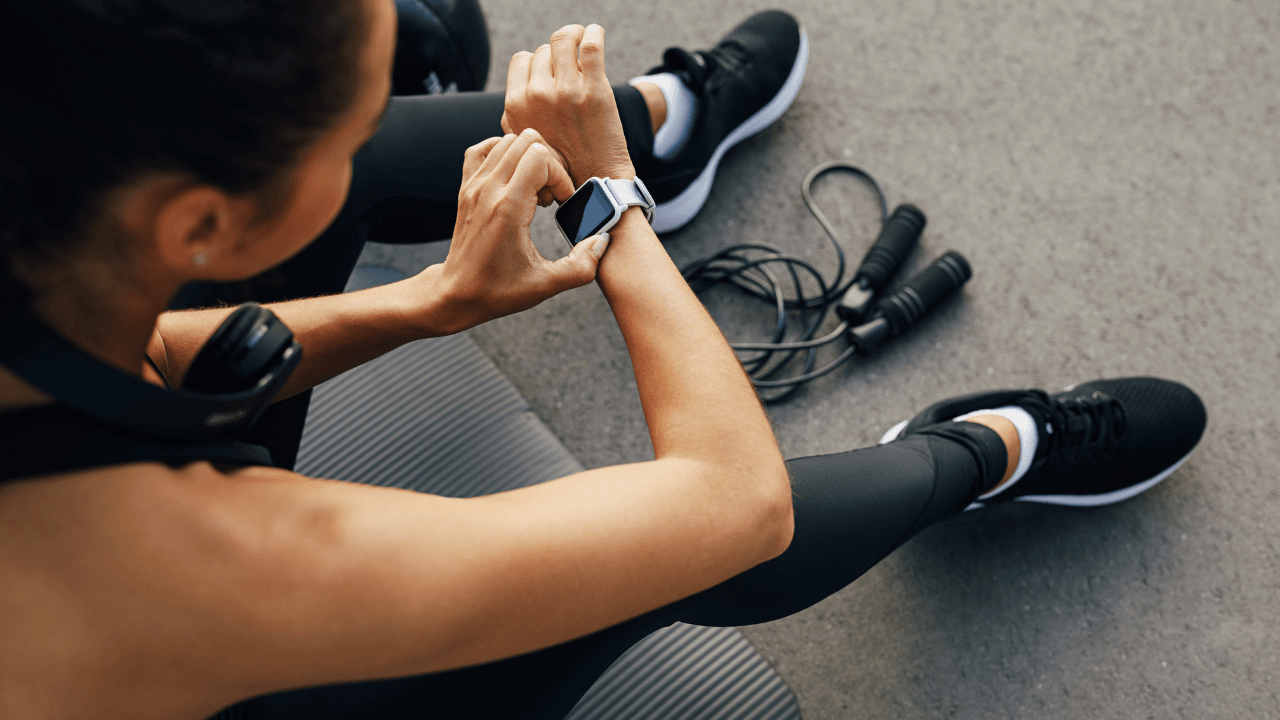
Getting enough rest and quality sleep is crucial for muscle recovery because it allows the body to repair and strengthen tissues that have been worked on during exercise. Prioritizing sleep has helped me feel less sore and more prepared for my next workout. Research also shows that during sleep, the body releases growth hormone, which is essential for muscle repair.
To make the most of rest and sleep, here's what I focus on:
- Consistency: I stick to a regular sleep schedule, even on weekends, to keep my body's clock in check.
- Environment: I've created a peaceful sleep environment in my bedroom by keeping it dark, cool, and quiet.
- Pre-sleep routine: I wind down with a relaxing activity like reading, which signals to my body that it's time to sleep.
- Technology: I steer clear of screens at least an hour before bed, as the blue light can disrupt my sleep hormone production.
Incorporating these habits into my routine has made a noticeable difference in my recovery. I wake up feeling refreshed and ready to tackle my fitness goals.
It's clear that if you're looking to soothe sore muscles, don't underestimate the power of a good night's sleep.
Exploring Cold Therapy
Moving beyond rest, I've discovered that cold therapy can effectively reduce muscle soreness and speed up recovery. This technique, also known as cryotherapy, involves exposing the body to very cold temperatures for short periods. It's not just about using an ice pack; there's actual science behind it.
Researchers have found that cold therapy can decrease inflammation and blood flow to a specific area, leading to reduced swelling and pain. When I apply ice to a sore muscle, I make sure to limit it to about 15-20 minutes at a time to prevent skin damage. It's also important to wrap ice packs in a towel instead of applying them directly to the skin.
For a more intense cold therapy experience, I've tried whole-body cryotherapy sessions at specialty clinics. Standing in a cryogenic chamber for a couple of minutes, where temperatures drop significantly, can be quite invigorating. It's been said to help not only with localized soreness but also with overall recovery and reducing fatigue.
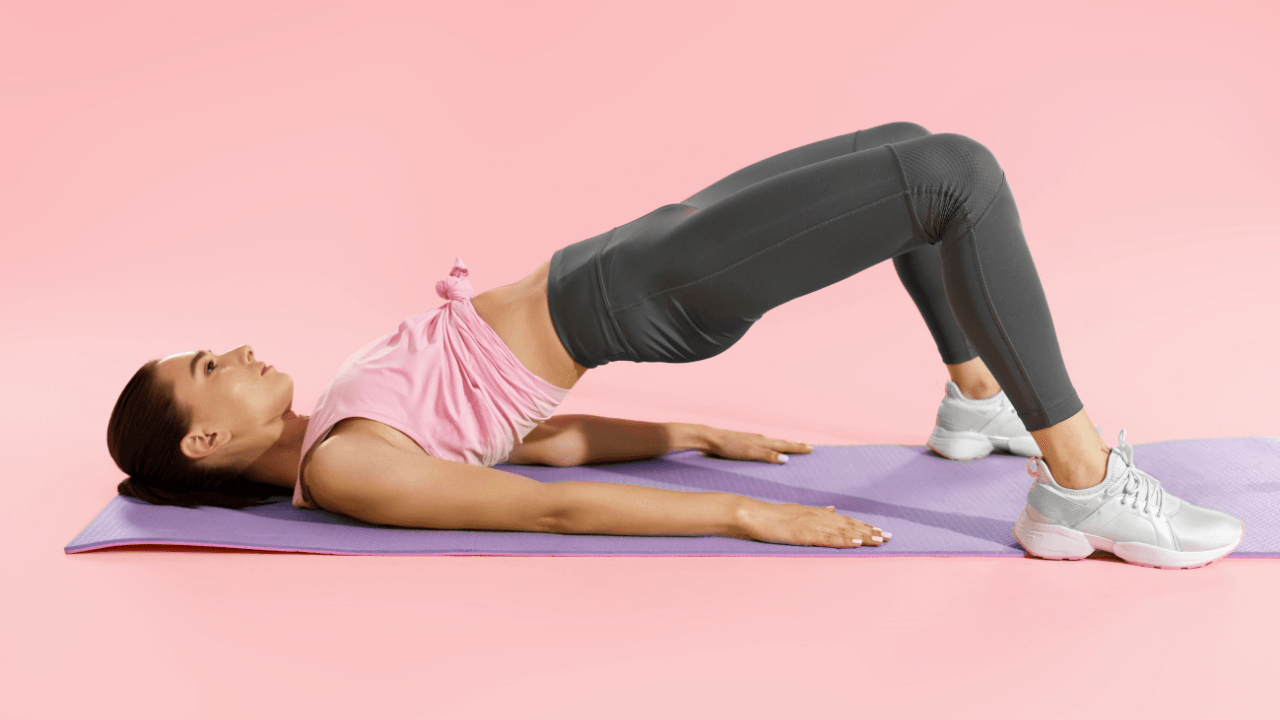
However, it's essential to note that cold therapy isn't suitable for everyone. People with certain conditions, like Raynaud's phenomenon, should avoid it or consult a doctor first. But for those who can use it, cold therapy is worth exploring for muscle recovery.
Utilizing Compression Garments
I've been using compression garments alongside cold therapy to help with muscle soreness, and they've been beneficial for my recovery. These garments provide support and improve circulation, which has several advantages:
- They help reduce muscle movement during exercise, which can lower the risk of microtrauma and soreness.
- Compression wear is designed to increase blood flow, helping to remove lactic acid and other waste products from the muscles.
- They may also enhance body awareness and technique, reducing the risk of injury.
- Wearing these garments after a workout can provide a sense of support and comfort, which can make the recovery process more positive.
I've found that using compression garments after my workouts has helped me get back to training more quickly. The snug fit reduces muscle aches, and the pressure feels soothing. While there may be differing opinions on the effectiveness of compression wear, I've personally found them to be helpful, and there's evidence from various studies supporting their benefits.
If you're looking to try compression garments, I recommend checking out brands like Nike, Under Armour, or 2XU for high-quality options.
Smart Supplementation
Integrating the right supplements into my recovery routine has made a huge difference in easing muscle soreness and enhancing overall muscle repair. Certain supplements have a significant impact on my body's ability to bounce back after intense workouts.
One key supplement I include is Omega-3 fatty acids, known for their anti-inflammatory properties. Research shows that Omega-3s can help reduce muscle stiffness and tenderness after exercise. I usually get my dose through fish oil capsules or by including fatty fish in my diet a few times a week.
I've also found the benefits of branched-chain amino acids (BCAAs) to be valuable. These essential nutrients, found in foods like meat, dairy products, and legumes, have been shown to decrease muscle damage during exercise and improve recovery. I often take a BCAA supplement before or after my workouts.
In addition, I recognize the importance of Vitamin D and magnesium for muscle function and recovery. Low Vitamin D levels have been linked to increased muscle weakness, so I pay attention to my intake, especially in the winter. Magnesium helps with muscle relaxation and can reduce cramping, so I make sure to get enough through my diet or supplementation.
Mindfulness for Stress Reduction
Mindfulness is a powerful tool for reducing stress and promoting relaxation, which can help alleviate muscle tension and soreness. When I feel the stress of the day affecting my muscles, I turn to mindfulness techniques to ease the strain. Research has shown that mindfulness can lower cortisol levels, the hormone associated with stress, potentially reducing muscle tightness.
One way I incorporate mindfulness into my routine is through focused breathing. Taking a few minutes for deep breathing exercises helps calm my nervous system. I also practice body scanning, consciously releasing tension from head to toe. Guided imagery is another technique I use, where I visualize a peaceful environment to distract my mind from discomfort. Additionally, gentle yoga or tai chi can be meditative and help stretch out sore muscles.
Mindfulness is about being fully present in the moment, whether I'm eating, walking, or engaging in conversation. By staying present, I'm better able to notice and address stress before it leads to muscle soreness.
Relaxation Techniques Benefits
Relaxation techniques, such as progressive muscle relaxation and deep breathing exercises, have been shown by numerous studies to significantly reduce physical and psychological stress, leading to a decrease in muscle soreness. I've found that incorporating these practices into my recovery routine not only eases my discomfort but also enhances my overall well-being.
When I do deep breathing exercises, I focus on inhaling slowly through my nose, letting my abdomen expand fully, and exhaling gently through my mouth. This simple act activates my body's natural relaxation response, lowering my heart rate and blood pressure. It's a tool I can use anywhere, whether I'm at my desk or on my yoga mat, to help release tension from my muscles.
Another technique I swear by is progressive muscle relaxation, which involves systematically tensing and then relaxing different muscle groups. It teaches me to recognize what tension—as well as complete relaxation—feels like in my body. I usually start with my feet and work my way up to my neck and head. As I do this, I notice areas where soreness is pronounced and consciously release tightness.
Adopting these relaxation habits has been a game-changer for my muscle recovery. They're not just quick fixes but sustainable strategies I rely on to maintain muscle health and manage stress.
Conclusion
After trying out these techniques, I've noticed a significant improvement in how my body feels after a workout; the usual muscle soreness has become much milder.
I've come to understand that every little thing, like drinking enough water and getting plenty of rest, plays a crucial role in helping my body recover. Research even shows that getting a good night's sleep can boost muscle repair by up to 40%.
By taking better care of my body, I'm not just reducing pain—I'm also making a long-term investment in my health and overall performance.
Frequently Asked Questions
Can exercise help with muscle soreness?
Yes! Exercise can help alleviate muscle soreness. Engaging in light movements and gentle stretches can increase blood flow and promote healing.
What are some foods that can help soothe sore muscles?
Foods rich in antioxidants, anti-inflammatory properties, and protein can help soothe sore muscles. Examples include berries, leafy greens, salmon, and nuts.
How long does it usually take for muscle soreness to go away?
The duration of muscle soreness can vary depending on the intensity of the workout or activity. Typically, muscle soreness will subside within 2 to 3 days. If it lasts longer, it's recommended to rest and seek medical advice if necessary.
What are some natural remedies for muscle soreness?
Some natural remedies for muscle soreness include taking a hot bath with Epsom salts, using essential oils for massage, and drinking herbal teas with anti-inflammatory properties.
What is the best way to relieve muscle soreness?
One of the best ways to relieve muscle soreness is through regular stretching and foam rolling. These techniques can help alleviate tension and promote flexibility.
Statistics
- Properly warming up before exercise can increase blood flow to muscles and reduce the risk of soreness.
- Regular exercise can help prevent muscle soreness by improving muscle strength and endurance.
- Drinking plenty of water can help prevent muscle cramps and aid in muscle recovery.
- Getting enough sleep is important for muscle recovery and can help prevent muscle soreness.
- Regularly practicing good posture can reduce muscle imbalances and discomfort, minimizing the risk of muscle soreness.
- Massages can increase blood circulation and help reduce muscle soreness and tension.
- Over-the-counter pain relief creams or gels can provide temporary relief from muscle soreness.
- Cooling down after a workout, through activities like gentle stretching, can help prevent muscle soreness.
- Using a foam roller can help release muscle tension and reduce soreness.
- Getting enough protein in your diet can help with muscle repair and recovery, reducing the chances of muscle soreness.
External Links
- This article explains the benefits of using a foam roller to soothe sore muscles and improve flexibility.
- MindBodyGreen shares at-home remedies for muscle soreness, such as using heat and cold therapy.
- Fitness Magazine recommends specific yoga poses that can help relieve sore muscles and promote relaxation.
- Medical News Today provides information on various natural remedies for muscle soreness, including Epsom salt baths and essential oils.
How To
How to Incorporate Anti-Inflammatory Foods into Your Diet for Muscle Soreness
To reduce muscle soreness, incorporate anti-inflammatory foods into your diet. Include fruits, vegetables, whole grains, fatty fish, and nuts, which are rich in antioxidants and omega-3 fatty acids. These foods have natural anti-inflammatory properties that can help reduce inflammation and promote the healing of sore muscles. Aim for a balanced diet that includes a variety of nutrient-dense foods.


.jpeg)
.png)


.png)