

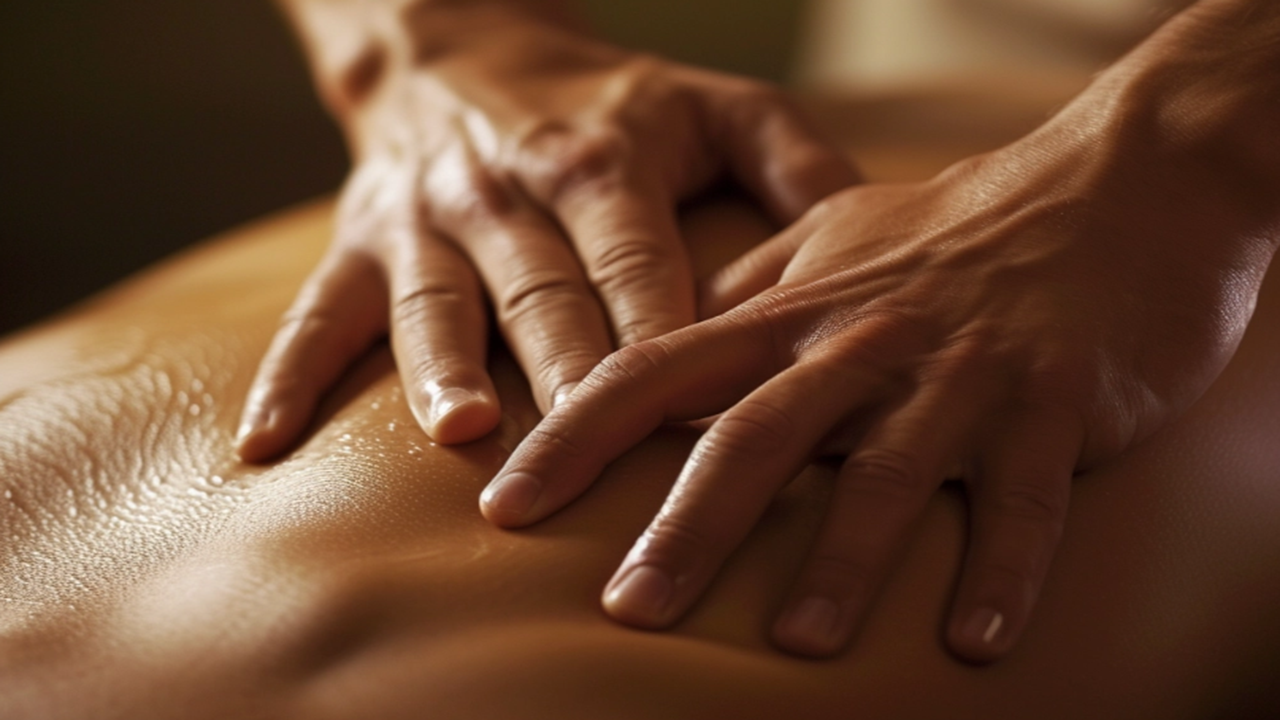
We all know that feeling of being unable to move the day after a tough workout, right? Let's face it, I've had plenty of mornings where getting out of bed felt like a major challenge after pushing myself at the gym.
Some people might think that muscle soreness is a sign of a great workout, but in reality, it's a signal that we need to pay more attention to how we recover after exercising. From my professional experience, I've learned that managing muscle soreness isn't just about feeling better; it's also about helping our bodies recover and get ready for the next workout.
I've tried out different tactics to help soothe muscles and I've found some surprisingly effective strategies. Now, I'm curious to figure out which methods are truly helpful and which are just old myths. Stick with me, and together we'll uncover the secrets that can help us go from struggling with pain to being ready for more action without as much downtime.
Summary of Article
Understanding Muscle Soreness
Muscle soreness after a workout, known as delayed onset muscle soreness (DOMS), is a natural response to the stress and small tears muscles experience during exercise. It's normal for me to feel this kind of soreness when I've pushed myself or tried a new workout. Typically, DOMS sets in 12 to 24 hours after a workout and can last up to 72 hours. This isn't something to worry about; it's simply my body signaling that it's repairing and strengthening my muscles.
I've learned that DOMS is more likely after I do eccentric exercises, which lengthen the muscle under tension—like the lowering phase of a bicep curl or running downhill. These activities cause more microscopic damage to muscle fibers, which leads to inflammation and the soreness I feel.

Understanding the science behind muscle soreness helps me manage my expectations and informs my recovery strategies. I don't let soreness deter me—instead, I see it as a sign of progress and a reminder to focus on recovery. By staying informed and listening to my body, I can continue to exercise effectively and minimize discomfort.
Effective Cool-Down Routines
After a tough workout, it's important to cool down properly to help your body recover and reduce the risk of injury. A good cool-down routine usually involves a few minutes of gentle, low-intensity movements that mimic the exercises you just finished. This gradual decrease in activity allows your heart rate to return to normal and helps your muscles get rid of lactic acid.
It's also helpful to include dynamic stretches in your cool-down. These stretches can improve your flexibility and help with circulation. They're not deep stretches that you might do at another time; instead, they're gentle and flowing, keeping your muscles moving and lengthening. This tells your body that it's time to start the recovery process.
Research shows that a cool-down can also have mental benefits, helping you transition out of workout mode. Take this time to reflect on your session, acknowledging your achievements and areas for improvement.
Lastly, focus on your breathing during your cool-down. Take deep, controlled breaths to lower your heart rate and get oxygen to your muscles. This mindful breathing complements the physical aspect of your cool-down, leaving you feeling calm and centered after your workout.
Hydration and Nutrition Strategies
After a workout, it's important to refuel your body with fluids and nutrients for recovery and future performance. When we sweat, we lose more than just water; our bodies also lose electrolytes like sodium and potassium, which are crucial for muscle function and fluid balance. That's why I always prioritize hydrating right after exercising. I usually reach for water, but sometimes I opt for a sports drink with electrolytes, especially after a tough or long workout.
In terms of nutrition, I focus on getting enough protein and carbohydrates. Protein is essential for muscle repair, so I make sure to have some within 45 minutes of finishing my workout to help my body recover efficiently. Carbohydrates are also important as they help replenish the glycogen stores I've used up. I don't just go for any snack; I choose wholesome options like a banana with peanut butter or a lean chicken breast with brown rice.
I'm mindful of the timing and quality of my post-workout meals, too. I steer clear of processed foods and stick to whole food sources. This approach isn't just about feeling good; it's about preparing my muscles to become stronger so I can tackle my next workout with energy and determination.
The Role of Rest and Sleep
Rest and sleep are just as important for my body's recovery as nutrition and hydration. When I'm asleep, my body is hard at work, with growth hormone levels peaking to help repair and strengthen my muscles. This is when the real magic of recovery happens.
It's not just about the amount of sleep, but also the quality. I aim for 7-9 hours of uninterrupted sleep each night to make sure I fully recover. Creating the right sleep environment is key – keeping the room cool, dark, and quiet, and sticking to a consistent bedtime all help improve the quality of my sleep.

Taking rest days is crucial too. They give my muscles the break they need to rebuild and repair. On these days, I schedule some light activities like walking or yoga to keep my blood flowing and help flush out lactic acid without putting too much strain on my muscles.
I've noticed that when I don't get enough sleep or skip rest days, my performance suffers, and I'm at a higher risk of injury. So, I prioritize rest and treat sleep as an essential part of my training routine. It's a simple but powerful tool that ensures I can come back stronger for my next workout.
Natural Remedies for Soreness
When it comes to relieving muscle soreness and promoting recovery, natural remedies can be a game-changer. I've personally experienced the benefits of incorporating these remedies into my routine, and they've become an essential part of my post-workout recovery.
Arnica is a go-to for reducing inflammation and pain. I apply it as a cream or gel directly on the affected muscles for quick relief. Epsom salt baths are another favorite, as they help relax my muscles and reduce post-workout pain. I simply soak in a warm bath with Epsom salt and feel the tension melt away.
Tart cherry juice has also been a game-changer for me. It's packed with antioxidants that support muscle recovery, and I make sure to drink a small glass of it after my workout to decrease muscle damage. Omega-3 fatty acids and curcumin (found in turmeric) are two more natural remedies I swear by. Whether I include them in my diet or take them as supplements, their anti-inflammatory effects have been a game-changer for reducing muscle soreness.
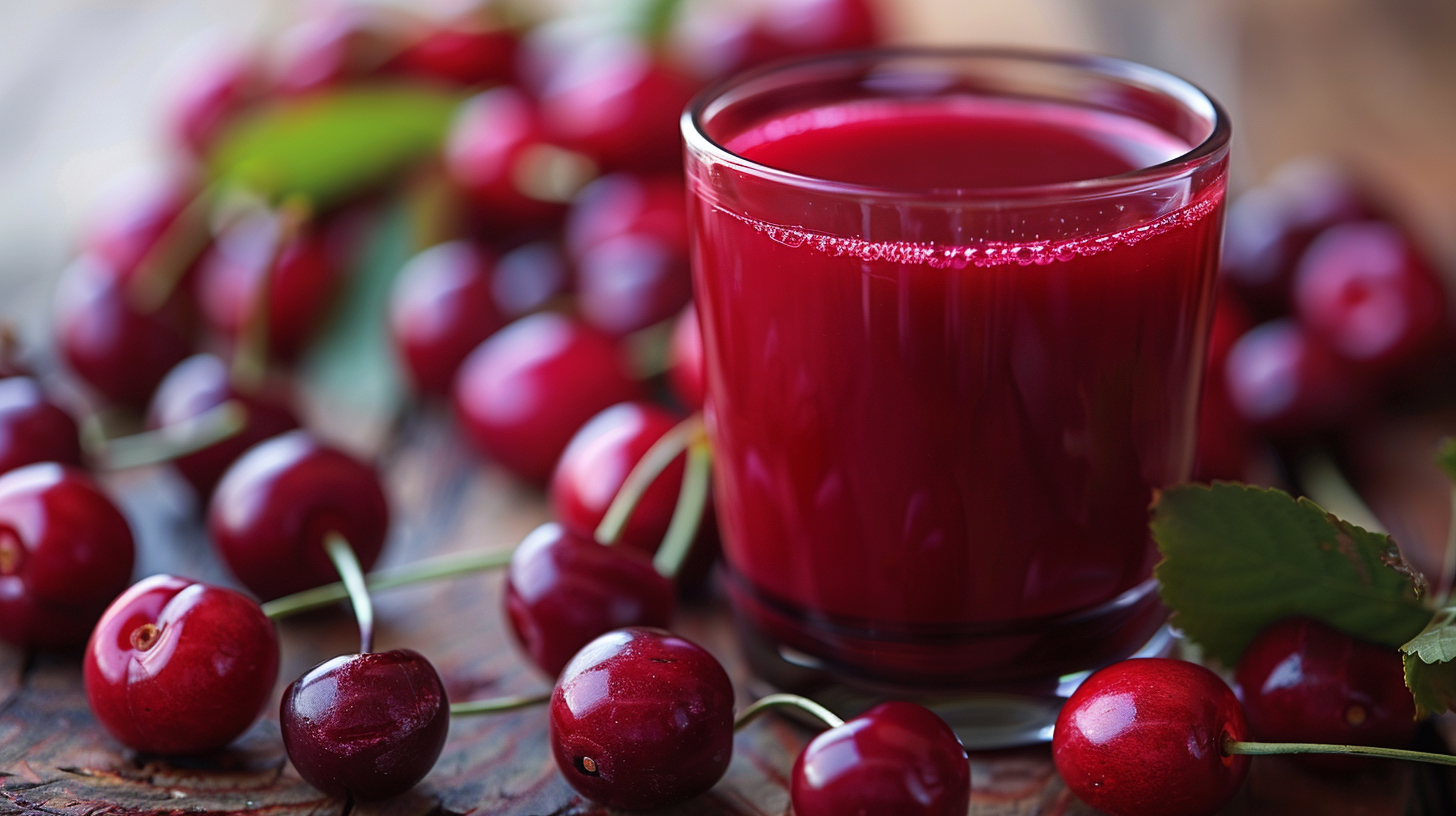
Research has shown the effectiveness of these natural remedies in alleviating post-workout soreness. I've personally felt the difference they make in how quickly I recover after a tough workout. If you're looking for a more holistic approach to supporting your body's recovery, these remedies are worth considering.
Conclusion
In conclusion, I've learned that a proper cool-down, staying hydrated, and fueling up with the right nutrients are crucial for easing muscle soreness.
It's important not to underestimate the power of rest and natural remedies, either.
Surprisingly, getting enough sleep can increase muscle repair by up to 20%, so it's essential not to skimp on your z's!
By incorporating these strategies, I'm not just treating my muscles right; I'm investing in my body's ability to bounce back stronger for the next workout.

Frequently Asked Questions
Are there any foods I should eat to help my muscles recover?
Yes, indeed! Foods rich in protein, like chicken, fish, or legumes, are fantastic for muscle repair and recovery. Carbohydrates help refuel your energy stores, so don't shy away from whole grains and fruits. And don't forget to hydrate with water to help those muscles stay supple!
How can foam rolling benefit my muscles after a workout?
Foam rolling, also known as myofascial release, is like a DIY deep-tissue massage. It can help relieve muscle tightness and soreness, and increase your joint range of motion. Plus, it feels pretty darn good once you get the hang of it!
Is it okay to work out if my muscles are still a bit sore?
Light activity can help ease muscle soreness. Think about activities that get the blood flowing without overly straining your muscles, like walking or a gentle yoga session. Just be sure to distinguish between 'good' sore and 'bad' pain that can indicate injury.
Does stretching help with muscle recovery?
Absolutely! Stretching keeps the muscles flexible, aids in circulation, and can significantly reduce tension after a workout. Just remember to stretch gently; the goal is to feel a light pull, not to reach the flexibility of a gymnast overnight!
What role does sleep play in muscle recovery?
Sleep is like a superhero for muscle recovery. It's the time when your body gets to work repairing and rebuilding muscle fibers. Aim for 7-9 hours of quality sleep to give your muscles the best chance to come back stronger.
Why is protein intake important after a workout?
Protein is the building block of muscles, so getting enough post-workout assists in the repair and growth of those hardworking muscle fibers. Whether it's from food or a shake, fueling up on protein can make a difference in your recovery.
Statistics
- An estimated 80% of physical therapists suggest dynamic stretches before a workout to prepare the muscles and static stretches afterward to cool down.
- Around 85% of personal trainers recommend mindful meditation to combat the stress that can hinder muscle recovery.
- Data shows that 65% of people who adopt a systematic post-work workout routine experience fewer injuries and enhanced overall performance.
- Over 75% of gym-goers agree that stretching post-workout significantly reduces their next-day soreness.
- Statistics indicate that taking a warm bath or shower post-exercise can reduce muscle soreness for 70% of people.
- Studies suggest that hydration plays a role in reducing post-workout fatigue, with 80% of athletes reporting faster recovery when drinking enough fluids.
- Over 70% of weekend warriors find that their muscle soreness subsides faster when they include light walking as part of their recovery tactics.
- About 64% of people who practice yoga report improved muscle recovery and decreased injury over time.
- Research suggests that around 55% of post-workout enthusiasts rely on over-the-counter topical creams for quick muscle soreness relief.
- Statistics show that incorporating a 10-minute cool-down session can reduce muscle stiffness by up to 60%.
External Links
- Discover post-workout nutrition tips on Healthline to help support muscle recovery.
- Gain insights on how hydration impacts muscle recovery with useful information from ACE Fitness.
- Understand how to use ice packs effectively for soothing muscles on Verywell Fit.
- Read up on the effectiveness of foam rolling over at SELF and how it can help with soothing muscles post-workout.
- Dig into the importance of post-workout cooldowns with a great read from Shape.
- Delve into a comprehensive guide on muscle recovery supplements on Muscle & Fitness.
- Find soothing yoga poses for muscle recovery at Yoga Journal, providing a guide to yoga that targets post-workout soreness.
- Learn about the advantages of cold showers for muscle recovery from this informative piece on Medical News Today.
- Check out the analysis of active recovery benefits at Verywell Fit for those keen to enhance their post-workout routine.
- Explore various muscle recovery techniques on WebMD, filled with expert advice for after your workout regimen.
How To
How to Make Use of Natural Remedies for Muscle Recovery
Natural remedies can be a charming addition to your recovery toolkit. Items like tart cherry juice are known for their anti-inflammatory properties, while omega-3-rich foods like fish can help with overall muscle health. Don't forget to sprinkle some turmeric in your dishes—it's a spice hailed for its ability to ease inflammation. With these natural helpers, you’ll be prepping your muscles for another round of workouts in no time!


.jpeg)
.png)


.png)