


Enduring muscle pain after a workout doesn't have to be a given. Understanding and using the right strategies can make a big difference in alleviating or even preventing post-exercise discomfort. Factors like immediate post-workout steps, balanced nutrition, and proper hydration all play key roles in muscle recovery.
The debate over cold versus heat therapy continues, but I've gathered evidence and expert advice that may sway the argument in favor of one method. Before delving into these remedies, it's important to understand the underlying causes of muscle pain and why certain strategies may be more effective than others, depending on the situation.
Let's explore these nuances together and discover practical ways to keep your muscles in top condition, ensuring a smoother path to fitness.
Brief Article Summary
Recognizing Inflammation Symptoms
Understanding inflammation symptoms is essential for effectively managing muscle pain, as they indicate the body's response to injury or strain. Common indicators include redness, swelling, heat, pain, and a decrease in function. These signs are part of the body's natural healing process, aiming to eliminate the initial cause of cell injury, clear out damaged cells, and establish repair.
Recognizing these symptoms can guide both treatment and monitoring progress. Redness and heat result from increased blood flow to the area, while swelling is typically due to an accumulation of fluid. When these signs are present, recommending rest and ice to reduce blood flow and minimize swelling can be beneficial. Compression and elevation can also aid in the healing process.

Pain serves as a protective mechanism, alerting us to take action. Over-the-counter nonsteroidal anti-inflammatory drugs (NSAIDs) are often effective in managing pain and reducing inflammation. However, it's important to note that they're not suitable for everyone, and long-term use can lead to side effects.
Recognizing these symptoms early allows for timely measures to support the body's healing process, prevent further damage, and alleviate discomfort. It's about finding the right balance between nurturing recovery and facilitating a return to normal activities. By understanding these symptoms, we can effectively support the body's natural healing process.
Immediate Post-Workout Practices
After finishing a workout, it's important to do a cool-down routine to help your muscles recover and reduce the risk of feeling sore afterward. This usually involves doing light aerobic exercises like walking or gentle cycling and doing stretches that focus on the main muscle groups you worked on during your workout. Spending at least 5 to 10 minutes cooling down is crucial because it helps your body get rid of waste products, such as lactic acid, that build up during intense exercise.
Hydrating yourself right after your workout is a priority. Replenishing fluids is key for recovery, so make sure to drink water or a drink with electrolytes to restore balance. Also, it's helpful to have a snack that includes both carbohydrates and protein within 45 minutes of finishing your workout. Research suggests that a 3:1 ratio of carbs to protein is best for recovery because it helps your muscles repair and replenish your energy stores.
Nutrition and Hydration Essentials
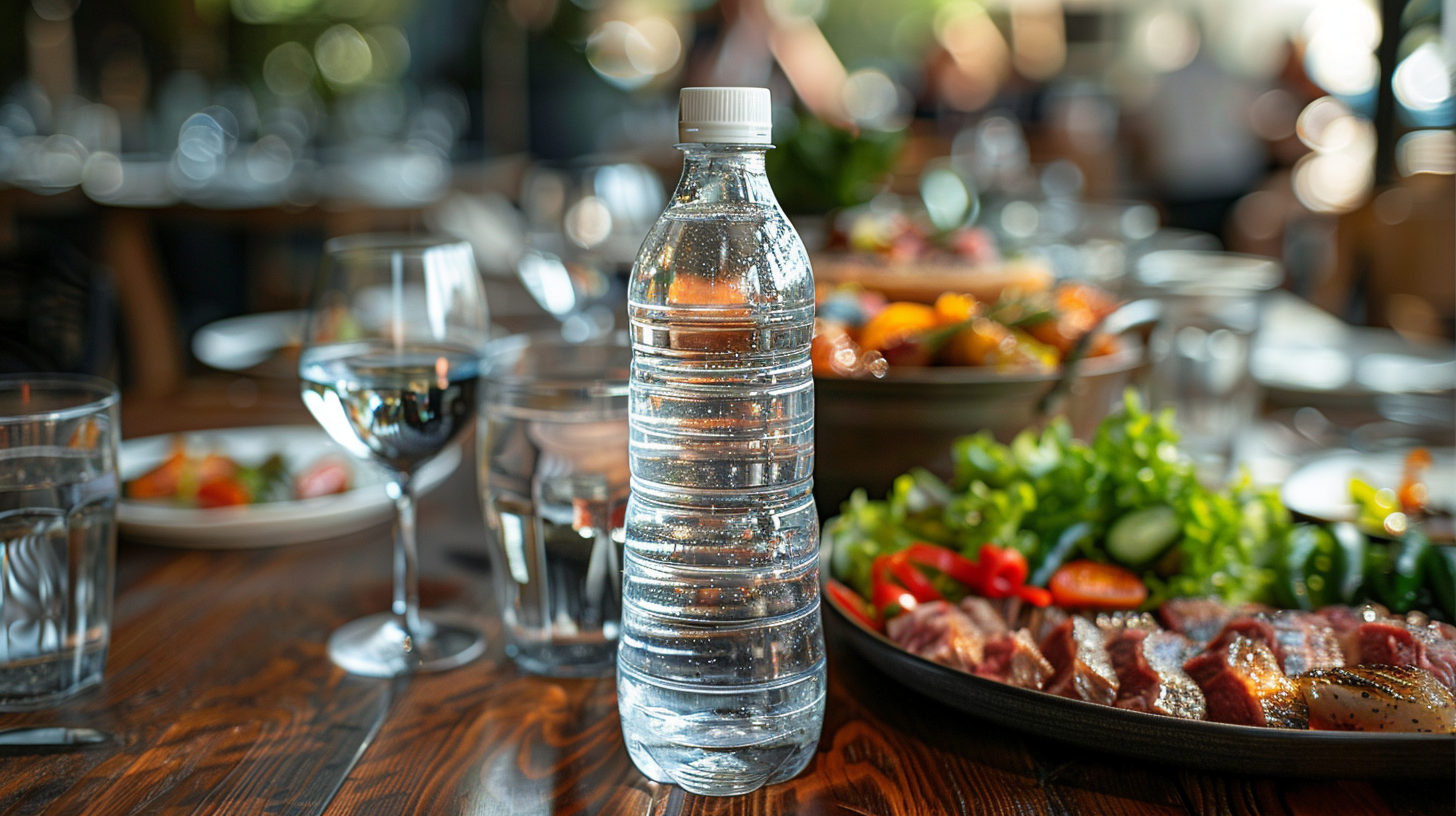
Nutrition and hydration are crucial for muscle recovery and performance. A balanced diet rich in nutrients and proper hydration is essential for a well-nourished body, faster healing, and reduced risk of injury. These factors also ensure that all physiological processes related to muscle repair and strengthening are functioning optimally.
Protein intake is essential for muscle repair. Aim for a mix of complete proteins found in animal products or combine plant-based sources to fulfill protein needs. Micronutrients like magnesium, zinc, and vitamin D play significant roles in muscle function and recovery. Carbohydrates replenish glycogen stores used for energy during exercise and can be found in whole grains, fruits, and vegetables. Incorporating anti-inflammatory foods rich in omega-3 fatty acids and antioxidants, such as fatty fish, nuts, and berries, can help reduce muscle inflammation.
Proper hydration is also crucial, as water is needed for all bodily functions, including muscle contraction and nutrient transport. It's important to drink enough water throughout the day, especially before, during, and after exercise.
Rest and Muscle Recovery
Rest is crucial for muscle recovery because it gives the body the time it needs to repair and strengthen tissues that have been stressed during exercise. Without adequate rest, the risk of overuse injuries increases, and muscle soreness can worsen. It's important to incorporate rest days into your training schedule, and the amount of rest needed can vary depending on the intensity and duration of your workouts. For example, after a particularly tough workout, a full day of rest may be necessary, while a shorter rest period may suffice after a moderate workout.
Sleep also plays a critical role in muscle recovery. Aim for 7 to 9 hours of quality sleep per night, as this is when growth hormone levels increase, aiding in muscle repair. Additionally, sleep deprivation can lead to decreased performance and slower healing.
It's essential to listen to your body's signals. If you're feeling unusually fatigued or notice a decline in performance, take it as a sign that you need to rest. Prioritizing rest isn't laziness; it's giving your body the necessary time to become stronger and more resilient.
Cold Vs. Heat Applications
Rest is crucial for muscle recovery, but knowing when to use cold or heat to ease muscle pain is just as important.

Cold therapy, or cryotherapy, is great for reducing inflammation and numbing pain right after an injury. You can apply ice packs or cold compresses for 15-20 minutes at a time within the first 24-48 hours after the injury to help with swelling.
On the other hand, heat therapy is more suitable for long-term muscle pain or stiffness. Using a warm compress or heating pad can help relax and loosen tissues and promote blood flow to the affected area.
In summary:
- Use cold therapy for acute injuries like sprains or strains to reduce swelling.
- Apply heat to chronic conditions such as muscle stiffness or ongoing joint pain to improve flexibility.
- Avoid using heat on a new injury, as it can increase inflammation.
- Always use a barrier like a towel when applying ice to prevent damage to the skin.
- After the initial acute phase, consider alternating between heat and cold for recurring issues as recommended by a healthcare professional.
Conclusion
I've shared all these proven ways to help ease muscle pain, but I'll admit that I've sometimes neglected to cool down properly, chosen coffee over water, and eyed my ice pack suspiciously.
However, I understand the importance of resting, staying hydrated, and using heat or cold therapy at the right times.
These simple practices can truly make a difference in turning the painful process of recovery into a comforting routine.
Let's not just talk about wellness; let's put it into action, starting with taking care of one less achy muscle at a time.
Statistics
- Ensuring adequate time for recovery between workouts can prevent overtraining and promote optimal post-workout recovery.
- Supplementing with branched-chain amino acids (BCAAs) can aid in muscle repair and reduce post-workout soreness.
- Massage therapy can be a beneficial tool for relieving muscle soreness and promoting post-workout recovery.
- Rest days are just as important as workout days for maximizing post-workout recovery.
- Taking restorative baths with Epsom salts can help relax muscles and alleviate post-workout soreness.
- Wearing compression clothing during or after a workout can help improve circulation and reduce muscle fatigue.
- Hydrating properly before, during, and after a workout can greatly enhance recovery.
- Consuming a balanced diet rich in protein, carbohydrates, and healthy fats is essential for post-workout recovery.
- Incorporating dynamic stretching before a workout can help activate muscles and improve post-workout recovery.
- Including foods high in antioxidants, such as berries and leafy greens, can support the body's recovery process.
External Links
- Women's Health - 5 Muscle Recovery Tips to Help You Bounce Back Faster After a Workout: Discover effective strategies for speeding up muscle recovery and reducing soreness.
- Prevention - How to Maximize Your Workout Recovery: This article provides strategies for recovering faster and more effectively after a workout.
- Triathlete - How to Eat for Optimal Recovery: Learn about the best foods to eat for recovery and how to incorporate them into your diet.
- Realbuzz - The Do's and Don'ts of Post-Run Recovery: Discover the best practices for recovering after a run to prevent injuries and improve performance.
- Healthline - How to Recover From a Workout: This article provides tips and strategies for maximizing post-workout recovery.
- Harvard Health Publishing - Eat to Delay Muscle Fatigue and Enhance Recovery: Learn about the role of nutrition in muscle recovery and how to optimize your diet.
- Coach - Workout Recovery: How to Recover from Exercise Faster and Better: This article offers advice on post-exercise recovery and reaching optimal performance.
- WebMD - Sore Muscles? Don't Stop Exercising: Learn how to manage muscle soreness while still maintaining your workout routine.
- SELF - How to Fuel Your Body for Optimal Muscle Recovery: This article provides nutrition tips to support post-workout recovery and muscle repair.
- Verywell Fit - Delayed Onset Muscle Soreness (DOMS): Understand the causes of DOMS and how to alleviate it for better recovery.
How To
How to Maximize Post-Workout Recovery
Maximizing post-workout recovery is important for muscle repair, reducing soreness, and achieving optimal performance. Here are some steps you can take to maximize your post-workout recovery:
1. Prioritize Rest and Sleep
Allowing your body enough time to rest and recover is crucial. Aim for 7-9 hours of quality sleep each night and schedule rest days throughout the week.
2. Hydrate Properly
Drink plenty of water before, during, and after your workouts to stay hydrated. Adequate hydration supports muscle function and recovery.
3. Fuel Your Body
Eat a balanced diet that includes lean proteins, healthy fats, and complex carbohydrates. Fueling your body with nutritious food post-workout can aid in muscle recovery and replenish energy stores.
4. Incorporate Active Recovery
Engage in light exercise or active recovery techniques such as stretching, yoga, or low-intensity cardio. These activities increase blood flow and promote faster recovery.
5. Use Cold or Heat Therapy
Utilize ice packs or take cold showers to reduce inflammation and ease muscle soreness. Alternatively, apply heat using heating pads or take warm baths to improve blood flow and promote relaxation.
6. Practice Self-Myofascial Release
Use foam rollers or massage tools to target tender areas and release tension in your muscles. Self-myofascial release can alleviate muscle soreness and enhance recovery.
7. Take Supplements
Consider incorporating supplements like protein powders, BCAAs (branch chain amino acids), or tart cherry juice into your post-workout routine. These supplements can support muscle repair and reduce inflammation.
8. Manage Stress Levels
Stress can hinder your body's ability to recover. Practice stress-management techniques such as deep breathing, meditation, or engaging in activities that bring you joy.
9. Get Professional Help
Consult with a fitness professional, such as a personal coach or physical therapist, to create a personalized recovery plan. They can guide techniques and exercises specific to your needs.
10. Listen to Your Body
Above all, listen to your body's cues. If you're feeling excessively fatigued or experiencing pain, take the necessary rest days or modify your workouts accordingly. Your body knows best.


.jpeg)
.png)


.png)