

Feeling sore after that intense workout? Natural remedies for muscle soreness can help ease the discomfort.
For example, applying Epsom salt to a warm bath can help relax your muscles and relieve the soreness. Other remedies like turmeric, ginger, arnica, peppermint oil, and lavender oil also have anti-inflammatory properties that can provide relief.
These natural options can be a great alternative to over-the-counter medications for managing muscle soreness.
Listen to the Article
Key Takeaways
- Epsom salt baths can relieve muscle aches and pains by reducing inflammation and alleviating muscle cramps.
- Incorporating turmeric into your diet can help reduce muscle inflammation and soreness.
- Ginger tea or adding ginger to your meals can reduce muscle pain and promote healing.
- Arnica gel or cream can be applied directly to the affected area for relief and faster recovery.
Epsom Salt
If you're looking for a natural remedy to soothe muscle soreness, consider using Epsom salt in a warm bath. Epsom salt, also known as magnesium sulfate, offers numerous benefits for relieving muscle aches and pains. When dissolved in warm water, it releases magnesium and sulfate ions, which can be absorbed through the skin. These ions work to reduce inflammation, alleviate muscle cramps, and promote relaxation.
To maximize the benefits of an Epsom salt bath, start by filling the tub with warm water, ensuring it's not too hot to avoid further irritation of sore muscles. Add two cups of Epsom salt to the bath and stir the water to help the salt dissolve. Soak in the bath for at least 12 minutes to allow the magnesium and sulfate ions to penetrate your skin and provide relief. For enhanced relaxation, consider adding a few drops of essential oils like lavender or eucalyptus.

Incorporating Epsom salt bath techniques into your routine can be a simple and effective way to ease muscle soreness and promote overall well-being. Whether it's after an intense workout or a long day, this natural remedy can provide the relief you need.
Turmeric
Consider incorporating turmeric into your routine to alleviate muscle soreness and promote faster recovery after workouts.
Turmeric contains curcumin, which has powerful anti-inflammatory properties. These properties can help reduce muscle inflammation and soreness, making it an excellent natural remedy for post-exercise discomfort.
You can easily incorporate turmeric into your diet by using it in various cooking methods. Add a pinch of turmeric to your morning smoothie, sprinkle it over roasted vegetables, or use it as a seasoning for meats and fish.
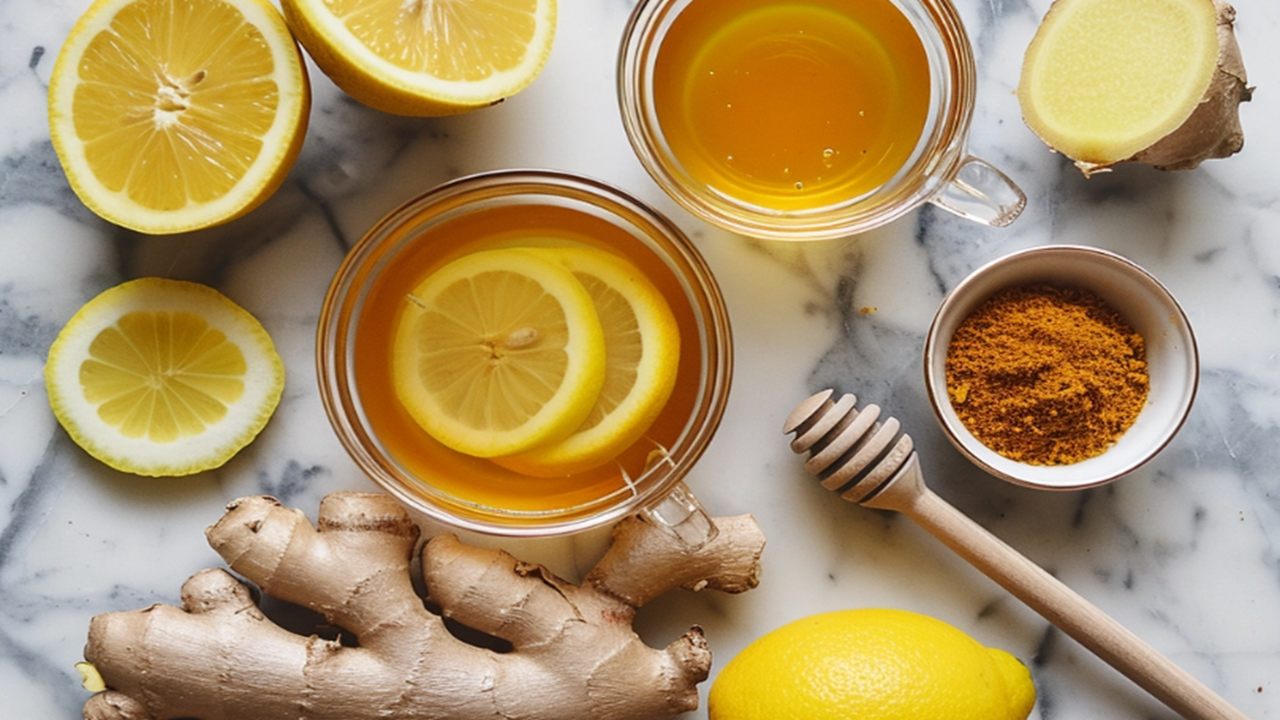
Additionally, you can brew a soothing turmeric tea by combining hot water with turmeric powder, ginger, and a touch of honey.
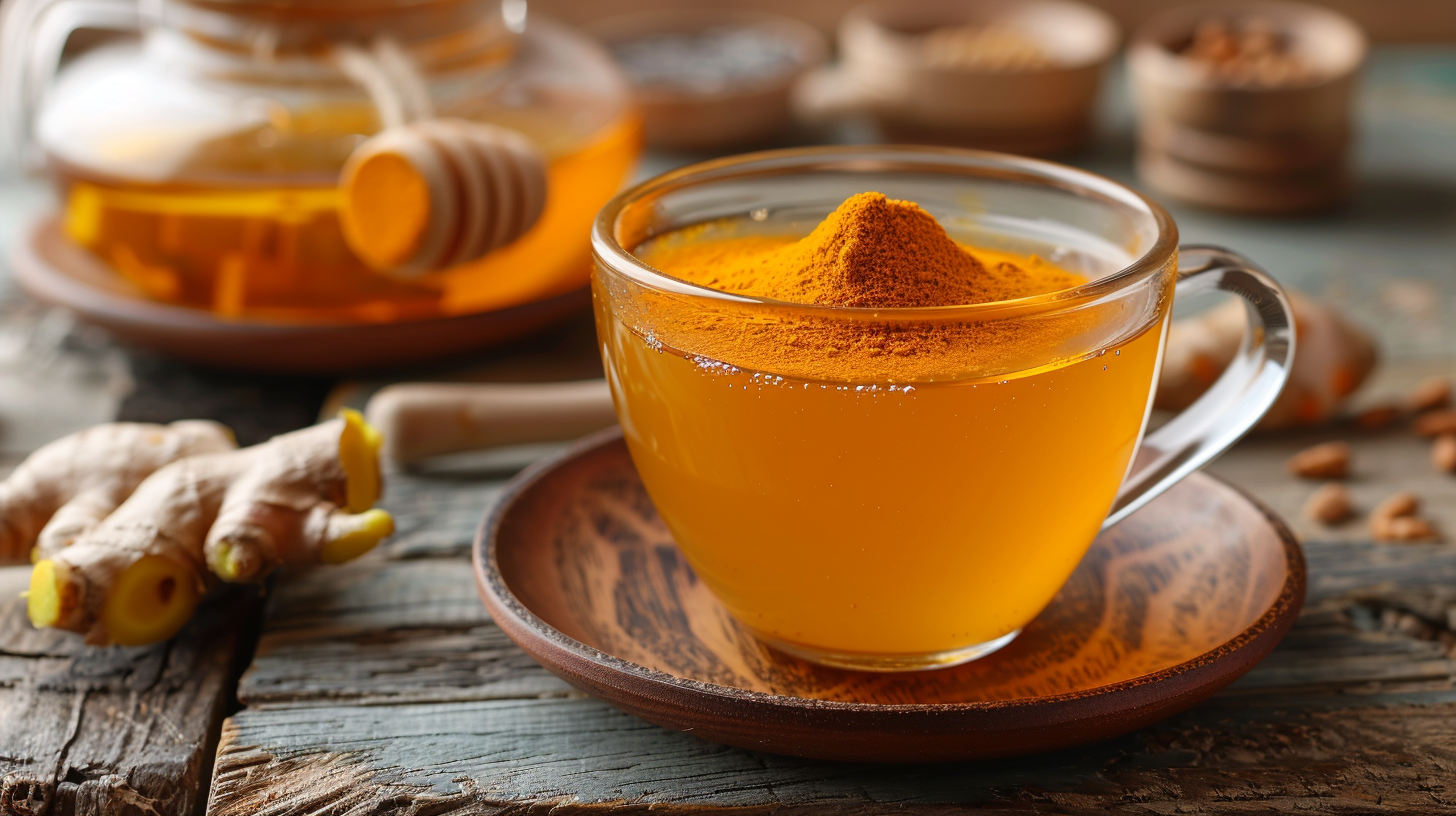
The versatility of turmeric allows you to enjoy its benefits in a variety of delicious ways. By regularly including turmeric in your meals, you can harness its anti-inflammatory properties to aid in muscle recovery and reduce the discomfort associated with muscle soreness.
Ginger
Incorporate ginger into your diet to help alleviate muscle soreness and promote faster recovery after workouts. Ginger has been used for centuries as a natural remedy for various ailments, including muscle soreness. One of the easiest ways to incorporate ginger into your routine is by drinking ginger tea. Ginger tea not only provides hydration but also delivers the benefits of ginger to your body. The anti-inflammatory properties of ginger can help reduce muscle pain and soreness, making it an excellent choice for post-workout recovery.
Ginger benefits extend beyond just muscle soreness. It contains gingerol, a bioactive compound with powerful medicinal properties. Gingerol has been shown to have anti-inflammatory and antioxidant effects, which can help reduce muscle damage and promote healing. By including ginger in your diet, whether through tea or by adding it to your meals, you can harness its natural healing properties to support your overall well-being.
Incorporating ginger into your daily routine can be a simple and effective way to combat muscle soreness and aid in your body's recovery process after exercise. So, why not brew a warm cup of ginger tea and enjoy its soothing benefits today?
Arnica
To address muscle soreness, try applying arnica gel or cream directly to the affected area for relief and to promote faster recovery. Arnica's benefits include reducing inflammation, relieving muscle pain, and improving overall healing. This natural remedy has been used for centuries to alleviate muscle soreness and bruising. Arnica contains compounds that have been found to have anti-inflammatory and analgesic properties, making it an effective option for treating muscle discomfort.

When using arnica gel or cream, it's important to follow the instructions on the product packaging. Typically, a small amount of the gel or cream should be applied to the affected area and gently massaged into the skin until fully absorbed. Arnica application can be repeated several times a day, as needed, to help manage muscle soreness and promote recovery. However, it's essential to perform a patch test before applying arnica to ensure there are no adverse reactions or skin sensitivities.
Incorporating arnica into your muscle soreness relief routine can provide natural and effective support for your body's recovery process.
Peppermint Oil
When addressing muscle soreness, applying peppermint oil can provide soothing relief and promote faster recovery, similar to arnica gel or cream. Peppermint oil benefits muscle soreness by delivering a cooling sensation that helps to alleviate discomfort and reduce inflammation. The menthol in peppermint oil acts as a natural pain reliever and muscle relaxant, making it a valuable remedy for sore muscles.
Additionally, the oil contains anti-inflammatory properties that can aid in reducing swelling and improving circulation to the affected area, which is beneficial for muscle recovery.
To maximize the benefits of peppermint oil for muscle soreness, it's important to use proper application techniques. You can dilute a few drops of peppermint oil with a carrier oil, such as coconut or almond oil, and gently massage it into the affected muscles. The massage helps improve blood flow and enhances the absorption of the oil into the skin, allowing for quicker relief.
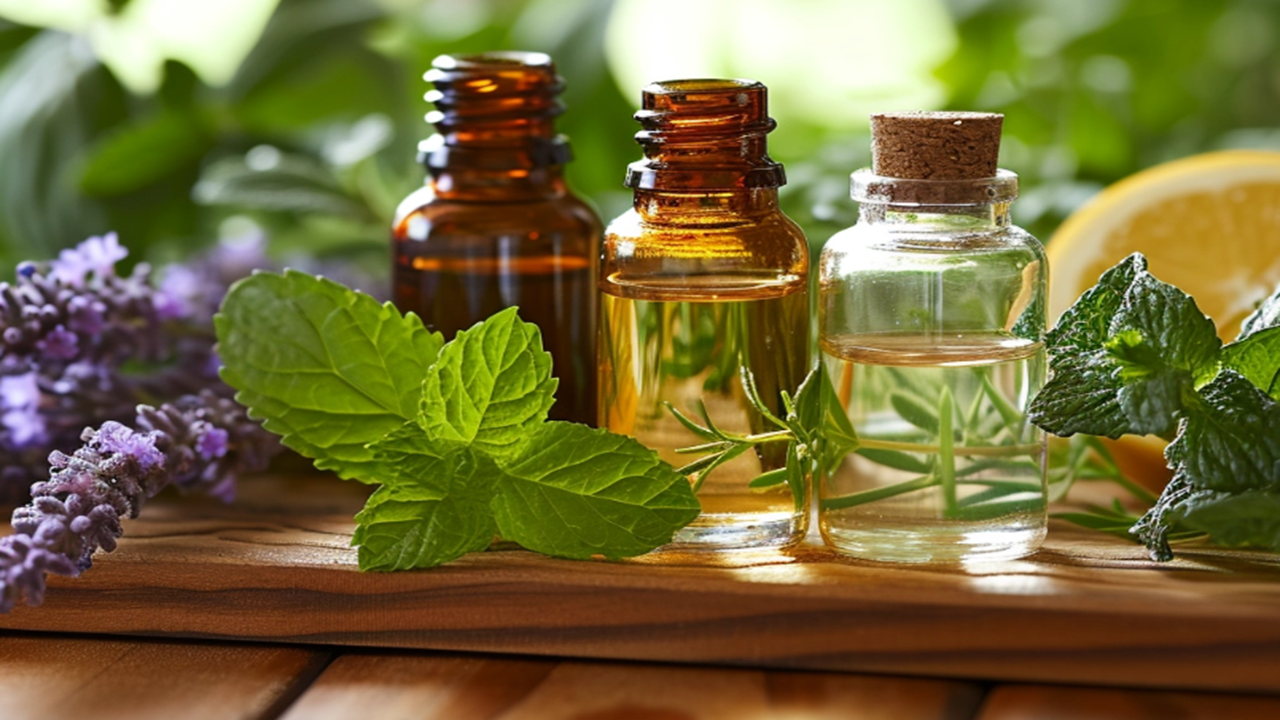
Alternatively, you can add a few drops of peppermint oil to a warm bath and soak in it to relieve overall muscle soreness and tension. Remember to perform a patch test before applying peppermint oil to ensure that you don't have any adverse reactions.
Lavender Oil
Apply lavender oil directly to the sore muscles for its soothing and anti-inflammatory effects. Lavender oil is renowned for its aromatherapy benefits, which can help relax your muscles and alleviate tension.
To maximize its effectiveness, consider using lavender massage techniques. Combine a few drops of lavender oil with a carrier oil such as coconut or almond oil, and gently massage it into the affected muscles. The calming scent of lavender can also promote relaxation and reduce stress, contributing to overall muscle relief.
This essential oil contains compounds that have been shown to have anti-inflammatory properties, making it a valuable natural remedy for muscle soreness. When applying the oil, focus on gently kneading the muscles to help improve circulation and reduce discomfort. Remember to perform a patch test before applying the oil to ensure you don't have any adverse reactions.
Incorporating lavender oil into your muscle care routine can be a soothing and holistic approach to managing muscle soreness.
Frequently Asked Questions
Can I Use These Natural Remedies for Muscle Soreness if I Have a Pre-Existing Medical Condition?
If you have a pre-existing medical condition, it's essential to consult with your healthcare provider before trying alternative treatments for chronic pain.
Natural remedies may interact with certain medications or exacerbate your medical condition.
It's important to prioritize your safety and well-being by discussing any potential treatments with your doctor beforehand.
They can provide personalized guidance and ensure that the remedies won't negatively impact your medical condition.
Are There Any Potential Side Effects or Interactions With Other Medications When Using These Natural Remedies?
When considering potential risks and interactions with medications, it's crucial to prioritize safety precautions. Always consult with a healthcare professional, especially if you have pre-existing medical conditions or are taking other medications.

Natural remedies for muscle soreness may have interactions or side effects that could impact your health. It's important to communicate openly with your healthcare provider to ensure that any natural remedies you're considering are safe for you.
Can These Remedies Be Used for Specific Types of Muscle Soreness, Such as From Exercise or Injury?
You can use these remedies for specific types of muscle soreness, like exercise soreness and injury recovery. They can help reduce inflammation and promote healing, providing relief from discomfort.
Always consider consulting with a healthcare professional, especially if you have existing medical conditions or are taking other medications. It's important to ensure that these natural remedies are safe and suitable for your circumstances.
How Often Should These Natural Remedies Be Applied or Ingested for the Best Results?
For optimal results, how often you apply or ingest the natural remedies is crucial. The frequency of application can greatly impact their effectiveness. It's important to find the right balance to ensure the best results.
Pay attention to your body's response and adjust the frequency as needed. Consistency is key, so finding a regular schedule that works for you is essential to experiencing the full benefits of these natural remedies.
Are There Any Specific Contraindications for Using These Natural Remedies, Such as During Pregnancy or While Breastfeeding?

When using natural remedies, it's important to consider potential contraindications, especially during pregnancy and breastfeeding. Always prioritize safety and effectiveness.
Before using any natural remedies, consult with a healthcare professional to ensure they're safe for you and your baby. Certain herbs and supplements may not be suitable during pregnancy or while breastfeeding, so it's crucial to seek guidance to avoid any potential risks.
Conclusion
So next time you're feeling sore as a bear, give these natural remedies a try.
Epsom salt, turmeric, ginger, arnica, peppermint, and lavender oils are like a soothing symphony for your muscles.
Say goodbye to the pain and hello to relief with these natural alternatives.

Your body will thank you for the tender loving care!
Statistics
- Using essential oils, such as lavender or peppermint, can provide a soothing and relaxing effect on sore muscles.
- Adequate protein intake can promote muscle repair and reduce muscle soreness caused by exercise.
- Massage therapy can help relax tight muscles, increase blood circulation, and reduce muscle soreness.
- Research has shown that certain herbs can help reduce inflammation and alleviate muscle pain.
- Magnesium supplements have been found to relieve muscle cramps and soreness.
- Getting enough rest and sleep is crucial for muscle recovery and reducing muscle soreness.
- Yoga and stretching exercises can help improve flexibility and alleviate muscle soreness.
- Acupuncture has been shown to provide pain relief and promote healing for muscle soreness.
- Regular exercise can help strengthen muscles and decrease the likelihood of muscle soreness.
- Studies have suggested that consuming tart cherry juice can help reduce muscle pain and inflammation.
External Links
- Prevention offers natural remedies and home therapies to soothe and heal muscle soreness.
- Harvard Health Publishing offers natural remedies and self-care strategies to manage different types of pain, including muscle soreness.
- Healthline offers tips and natural remedies for relieving muscle soreness.
- Medical News Today discusses natural remedies and lifestyle changes to help reduce and prevent muscle soreness.
- Best Health offers a list of natural remedies and tips to help ease muscle soreness and speed up recovery.
- Pritikin Longevity Center provides natural remedies to prevent and treat muscle soreness after workouts.
- Verywell Fit discusses natural remedies, treatments, and preventive measures to manage muscle soreness.
- WebMD provides information on the causes of muscle soreness and natural remedies to alleviate the pain.
- Mayo Clinic offers advice on natural ways to relieve muscle soreness and prevent future discomfort.
- Health.com provides a list of natural remedies and self-care tips for relieving muscle soreness.
How To
How to Relieve Muscle Soreness Naturally
To relieve muscle soreness naturally, try the following remedies:
- Apply a warm compress or take a warm bath with Epsom salts to help relax tight muscles.
- Use arnica gel or cream topically to reduce inflammation and bruising.
- Incorporate ginger into your diet or take ginger supplements to alleviate muscle pain.
- Stay hydrated by drinking plenty of water throughout the day.
- Engage in light stretching exercises or yoga to improve flexibility and relieve muscle soreness.
- Consider using a foam roller to massage and release tension in the muscles.
- Take magnesium supplements to help prevent and reduce muscle cramps and soreness.
- Get enough rest and sleep to allow your muscles to recover properly.
.jpeg)
.png)


.png)