

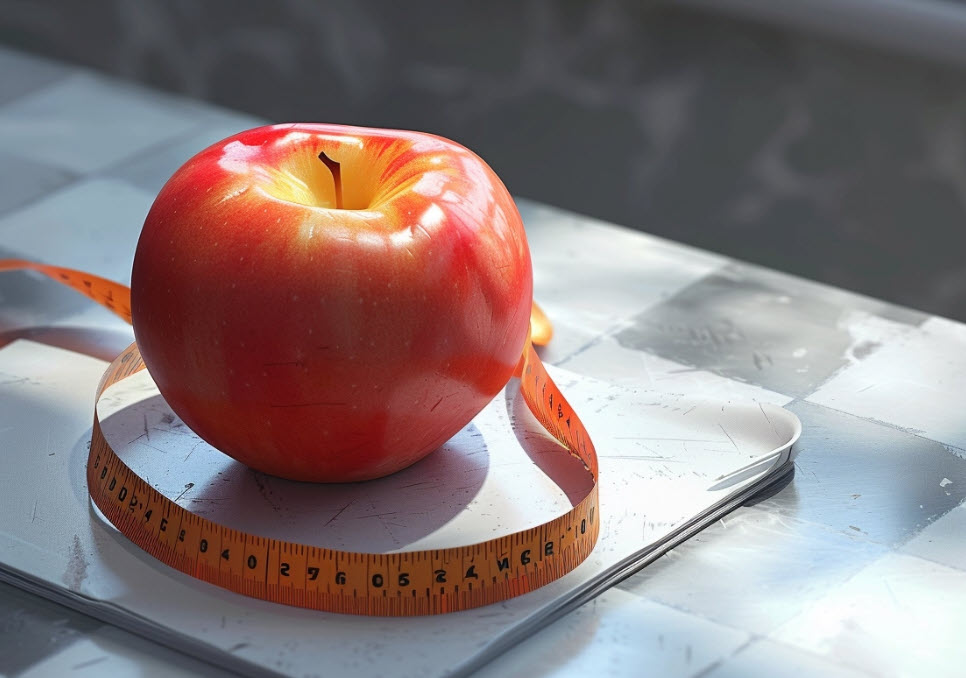
How to Formulate a Sustainable Weight Loss Meal Plan for Your Fitness Goals
Looking to achieve your fitness goals through sustainable weight loss? Formulating a meal plan tailored to your needs is key. By focusing on nutrient-dense foods, regular exercise, and mindful eating, you can create a plan that supports your long-term success.
Incorporating healthy cooking methods and staying hydrated are also essential components. This approach will help you not only reach your weight loss targets but also maintain a healthy lifestyle in the long run.
Listen to the Article
Key Takeaways
- Think beyond short-term fixes and adopt a holistic approach to weight loss
- Incorporate nutrient-dense foods like plant-based proteins, balanced macros, and healthy fats
- Regularly engage in strength training and cardio workouts for optimal results
- Practice mindful eating, and portion control, and choose nutritious snacks while enjoying treats in moderation
Long-Term Approach
When formulating a sustainable weight loss meal plan for your fitness goals, you need to think beyond short-term fixes and adopt a long-term approach for lasting results. Taking a holistic approach to weight loss involves making lifestyle changes that support your overall well-being. Instead of focusing solely on the number on the scale, it's important to consider your mental and emotional health, as well as your physical fitness.
A sustainable meal plan should be designed to nourish your body, provide long-lasting energy, and promote a positive relationship with food. By making gradual, sustainable changes to your eating habits, you can achieve your fitness goals without feeling deprived or overwhelmed.
Embracing a long-term approach to weight loss empowers you to prioritize health and wellness, leading to lasting results and a healthier lifestyle.

Nutrient-Dense Foods
To achieve sustainable weight loss for your fitness goals, start by incorporating nutrient-dense foods into your meal plan. Opt for plant-based proteins like lentils, quinoa, and tofu, as they're packed with essential nutrients and are lower in calories compared to animal proteins. These foods not only provide your body with the necessary building blocks for muscle growth and repair but also contribute to a feeling of fullness, which can aid in weight management.
Additionally, focus on balanced macros by including a variety of healthy fats, complex carbohydrates, and lean proteins in each meal. This approach will help stabilize your blood sugar levels and keep you feeling satisfied for longer periods, reducing the likelihood of overeating.
Regular Exercise
Incorporate regular exercise by engaging in activities such as strength training, cardio, and flexibility exercises to complement your nutrient-dense meal plan for sustainable weight loss and improved fitness.
Strength training, such as weightlifting or bodyweight exercises, helps build lean muscle mass, which can increase your metabolism and contribute to fat loss. Aim for at least two days of strength training per week, targeting all major muscle groups.
Additionally, cardio workouts, like running, cycling, or swimming, are great for burning calories and improving cardiovascular health. Aim for at least 150 minutes of moderate-intensity cardio or 75 minutes of vigorous-intensity cardio per week.

Finally, don't forget to include flexibility exercises, such as yoga or stretching, to improve your range of motion and prevent injury.
Regular exercise, combined with a balanced meal plan, is key to achieving your fitness goals.
Mindful Eating
You can enhance your weight loss meal plan and fitness goals by practicing mindful eating.
Portion control is key to mindful eating, as it helps you manage your calorie intake and prevents overeating. Be conscious of the serving sizes and aim to eat slowly, allowing your body to register fullness.
Mindful snacking is another important aspect of mindful eating. Instead of mindlessly munching on snacks, pay attention to your body's hunger cues and choose nutritious options.

When it comes to mindful indulgence, it's okay to enjoy your favorite treats occasionally, but do so in moderation.
Intuitive eating, which involves listening to your body's hunger and fullness signals, can also help you make better food choices.
Healthy Cooking Methods
Enhance your weight loss meal plan and fitness goals by adopting healthy cooking methods that align with your mindful eating practices. When preparing your meals, focus on steaming vegetables to retain their nutrients and natural flavors. Steaming is a gentle cooking method that helps preserve the integrity of the vegetables, making them a great addition to your weight loss meal plan.
Additionally, opt for grilling proteins such as chicken, fish, or tofu to minimize the need for added fats. Grilling allows excess fat to drip away from the food, resulting in lower calorie content while still providing delicious flavor.
Hydration
To maintain optimal hydration levels, consider incorporating water-rich foods into your weight loss meal plan. These foods, such as cucumbers, watermelon, and lettuce, can contribute to your daily fluid intake. Alongside water consumption, it's essential to focus on electrolyte balance.

Include foods like bananas, spinach, and nuts to maintain a healthy electrolyte balance. Additionally, implementing hydration strategies is crucial. Start your day with a glass of water, carry a reusable water bottle with you, and set reminders to drink water throughout the day.
Monitoring your fluid intake and adjusting it based on your activity level and climate is also important for staying properly hydrated. By integrating these practices into your weight loss meal plan, you can ensure that your body remains adequately hydrated while working towards your fitness goals.
Frequently Asked Questions
How Can I Incorporate Intermittent Fasting Into My Sustainable Weight Loss Meal Plan?
To incorporate intermittent fasting into your sustainable weight loss meal plan, consider adjusting your meal timing to align with your fasting period. Fasting benefits include improved insulin sensitivity and fat loss.
Start with a gradual approach to intermittent fasting, and focus on the quality of your meals during non-fasting periods. Experiment with different meal frequencies to find what works best for your body and fitness goals.
Are There Any Specific Superfoods or Supplements That Can Aid in Weight Loss and Should Be Included in My Meal Plan?
You should consider including specific superfoods in your meal plan, as they offer various benefits such as high nutrient content and potential weight loss aid.

Supplements can also be effective in supporting your weight loss goals.
It's important to research and consult with a healthcare professional to determine which superfoods and supplements are suitable for your individual needs and can complement your sustainable weight loss meal plan.
Can I Still Enjoy Occasional Treats or Cheat Meals While Following a Sustainable Weight Loss Meal Plan?
Yes, you can still enjoy occasional treats or cheat meals while following a sustainable weight-loss meal plan.
It's important to practice healthy indulgences and mindful snacking.
Incorporating portion control and balancing your indulgences with nutritious meals is key.

How Can I Navigate Social Situations and Dining Out While Sticking to My Meal Plan?
When navigating social situations and dining out while sticking to your meal plan, you can employ social strategies like checking menus in advance, making healthier choices, and practicing portion control.
Adjust your meal plan accordingly by balancing your intake and being mindful of your choices during social events.
What Are Some Strategies for Overcoming Plateaus or Stalls in Weight Loss Progress While Following a Sustainable Meal Plan?
To overcome plateaus in weight loss progress, focus on mental strategies, like staying positive and adjusting expectations.
Experiment with meal timing and portion control to kickstart your metabolism.
Stay consistent with your exercise routine and consider adding variety to keep things interesting.

Remember to celebrate small victories and stay patient.
It's all about finding what works best for you and staying committed to your goals.
Conclusion
Now that you have the tools to create a sustainable weight loss meal plan, it's time to put them into action.
Stay consistent with nutrient-dense foods, regular exercise, and mindful eating. Remember, it's not just about the number on the scale, but about feeling strong and healthy.
Keep pushing toward your fitness goals, and you'll see the results you've been working for. Your journey to a healthier you is just beginning.

Frequently Asked Questions (continued)
How often should I eat in a weight loss meal plan?
There is no one-size-fits-all answer to this question. Some people prefer three main meals a day, while others find smaller, more frequent meals work better for them. Listen to your body's hunger and fullness cues and find an eating pattern that works best for you.
What foods should I include in a sustainable weight loss meal plan?
A sustainable weight loss meal plan should include a variety of fruits, vegetables, whole grains, lean proteins, and healthy fats. Aim for a colorful plate with a good balance of nutrients to fuel your body and support weight loss.
Can a weight loss meal plan help me maintain my weight once I reach my goal?
Yes! A weight loss meal plan can also serve as a foundation for maintaining your weight once you reach your goal. By continuing to practice portion control, balanced nutrition, and mindful eating habits, you can sustain your results in the long term.
Can I still eat out while following a weight-loss meal plan?
Absolutely! Eating out can be part of a sustainable weight loss meal plan. Look for healthier options on the menu, ask for dressings and sauces on the side and practice portion control. You can also research the menu in advance and make choices that align with your goals.
Should I drink more water in a weight loss meal plan?
Drinking adequate water is important for overall health and can aid in weight loss. Water helps with digestion, keeps you hydrated, and can help curb hunger. Aim to drink at least 8 cups (64 ounces) of water per day, or more if you are active.
Can I still enjoy my favorite foods in a weight-loss meal plan?
Absolutely! Incorporating your favorite foods in moderation is key to a sustainable weight loss meal plan. Allowing yourself treats in controlled portions can help prevent feelings of deprivation and make the plan more enjoyable and realistic in the long term.
Can I include snacks in my weight loss meal plan?
Absolutely! Snacks can be a part of a sustainable weight-loss meal plan. Opt for healthy options such as fruits, vegetables with hummus, Greek yogurt, or a handful of nuts. Just make sure to monitor portion sizes and choose nutritious snacks.
Statistics
- Hydrating properly by drinking enough water throughout the day can support weight loss efforts and promote overall health.
- Studies have found that individuals who plan their meals are more likely to make healthier choices and stick to their weight loss goals.
- Research shows that people who follow a sustainable weight loss meal plan are more likely to successfully lose weight and keep it off.
- Achieving weight loss slowly and steadily, around 1-2 pounds per week, is generally considered to be sustainable and more likely to lead to long-term success.
- Whole grains such as quinoa, brown rice, and oats are rich in fiber and can help regulate blood sugar levels and promote weight loss.
- Incorporating nutrient-dense foods into your meal plan can provide your body with essential vitamins and minerals for optimal health and weight loss.
- Mindful eating, which involves paying attention to your food, eating slowly, and savoring each bite, can help you make healthier choices and prevent overeating.
- Including a variety of fruits and vegetables in your meal plan can help boost your fiber intake, promote satiety, and support weight loss.
- Regular physical activity paired with a sustainable weight loss meal plan can maximize your results and improve overall fitness.
- Healthy fats like avocados, nuts, and olive oil are important in a weight loss meal plan as they provide essential nutrients and help keep you feeling full.
External Links
- Cooking Light - Cooking Light offers tips and advice for creating healthy eating habits and formulating a weight loss meal plan that works for you.
- mindbodygreen - With mindbodygreen, you can discover seven tips for creating a healthy and successful weight loss meal plan that aligns with your fitness goals.
- Shape - Shape magazine provides weight loss meal plans, recipes, and expert advice to help you sustainably achieve your fitness goals.
- Health.com - Health.com offers a collection of healthy meal plans and recipes to guide you in formulating a sustainable weight loss meal plan.
- Eat This, Not That! - This website provides a meal plan that focuses on healthy and delicious meals to help you lose weight while still enjoying your food.
- WebMD - WebMD offers tips on portion control and meal planning to help you achieve your weight loss goals sustainably and healthily.
- Eat For Health - Eat For Health provides guidelines and resources for incorporating vegetables, legumes, and fruits into your weight loss meal plan for a balanced and nutritious diet.
- Prevention - Prevention offers a meal plan for weight loss that focuses on whole foods, portion control, and balanced nutrition to help you reach your fitness goals.
- MyFitnessPal - MyFitnessPal provides articles and resources on meal planning, nutrition, and weight loss to support your fitness goals.
- Bodybuilding.com - Bodybuilding.com offers a meal prep plan that can help you achieve your weight loss goals while fueling your body for workouts and fitness goals.
How To
How to Make Healthy Eating a Social and Enjoyable Experience
Making healthy eating a social and enjoyable experience can help you stick to your weight loss meal plan without feeling deprived. Involve friends, family, or coworkers in meal planning or cooking together. Explore different cuisines and try out new healthy recipes together. When dining out, choose restaurants that offer healthier options or share dishes with others to practice portion control. Transform your social gatherings into active events by organizing hikes, walks, or other physical activities. By incorporating socializing into your healthy lifestyle, you'll find that healthy eating is not a burden but a pleasurable part of your routine.

.jpeg)
.png)


.png)