


Do you often feel like your stomach is a balloon that's been inflated a little too much?
In 'Common Digestive Issues: Overcoming Bloating, Constipation, Diarrhea, and More,' you'll discover practical strategies to tackle these discomforts head-on.
From understanding the causes of bloating to managing digestive irregularities, this guide equips you with the knowledge and tools to take charge of your gut health.
With simple dietary adjustments and lifestyle changes, you can bid farewell to the inconvenience of constipation, diarrhea, and other common digestive issues.
This resource is your roadmap to regaining digestive comfort and reclaiming your vitality.
Listen to the Article
Key Takeaways
- Bloating can be caused by swallowing air, eating gas-producing foods, or imbalances in gut health. Simple changes to diet and lifestyle can reduce gas and bloating.
- Incorporating more fiber-rich foods and staying hydrated can help overcome constipation and promote regular bowel movements.
- When managing diarrhea, it is important to incorporate bland, low-fiber foods, stay hydrated, and avoid caffeine and alcohol.
- To deal with acid reflux and heartburn, avoid trigger foods, eat smaller meals, maintain a healthy weight, avoid lying down after eating, and practice stress-reducing techniques.
Understanding Bloating and Its Causes
If you often experience bloating, it can be helpful to understand the common causes behind this uncomfortable sensation. Bloating discomfort can be caused by various factors, including swallowing air, eating gas-producing foods, or experiencing imbalances in gut health.
Reducing gas and bloating discomfort can often be achieved by making simple changes to your diet and lifestyle. For example, try to avoid carbonated drinks and chewing gum, as these can increase the amount of air you swallow. Additionally, certain foods like beans, lentils, and cruciferous vegetables can contribute to bloating, so be mindful of your intake.
Improving gut health through the consumption of probiotics, such as yogurt or kefir, and fiber-rich foods can also help alleviate bloating. Understanding the specific bloating causes for your body can empower you to make targeted changes to reduce this discomfort. Keep a food diary to track your symptoms and identify potential triggers.
Overcoming Constipation With Dietary Changes
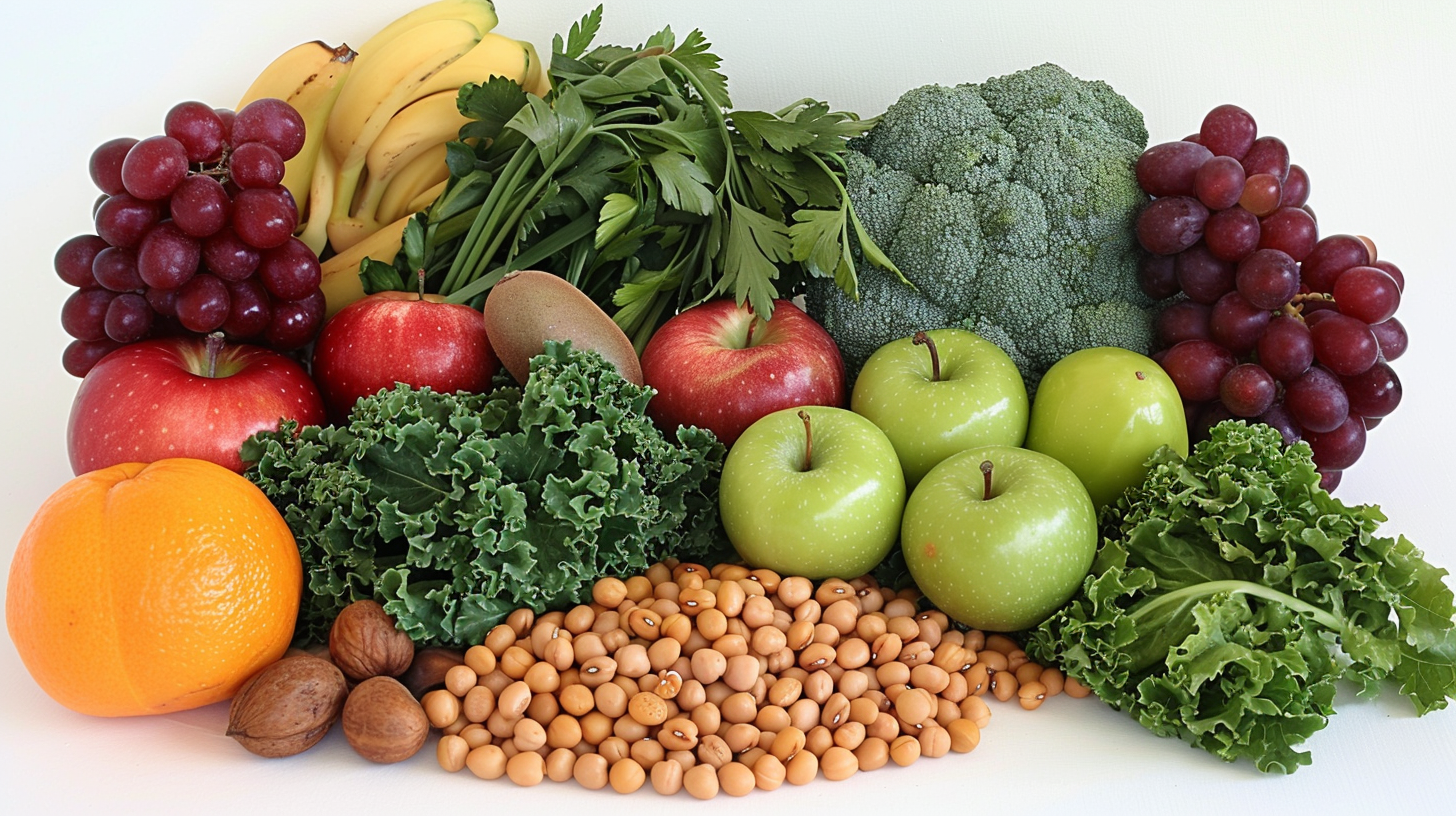
To overcome constipation with dietary changes, you can incorporate more fiber-rich foods into your meals to promote regular bowel movements and improve digestive health. High-fiber foods such as fruits, vegetables, whole grains, and legumes can help soften the stool and make it easier to pass. Aim to include a variety of these foods in your daily diet to increase your fiber intake gradually.
It's crucial to drink an adequate amount of water throughout the day along with fiber, as this combination helps the stool retain its bulk and move smoothly through the digestive system. Hydration is key to preventing the fiber from causing further constipation.
Additionally, prioritize fresh fruits like berries, apples, pears, and vegetables such as broccoli, carrots, and spinach. These not only provide fiber but also offer essential vitamins and minerals that support overall digestive function.
Managing Diarrhea and Its Triggers
To manage diarrhea and identify its triggers, incorporate bland, low-fiber foods into your diet to ease digestion and reduce irritation in the bowel. Opt for foods like bananas, rice, applesauce, and toast (BRAT diet) to help firm up your stool.
It's also crucial to stay hydrated. Drink plenty of water and clear fluids to replenish lost fluids and electrolytes. Avoid caffeine and alcohol as they can worsen diarrhea.
Additionally, consider stress management techniques, as stress can exacerbate digestive issues. Practice relaxation techniques such as deep breathing, meditation, or yoga to help calm your mind and body. Stress can trigger or worsen diarrhea, so finding healthy ways to manage stress is essential.
Lastly, keep a food diary to track what you eat and your symptoms. This can help you identify specific triggers and patterns, allowing you to make necessary dietary adjustments.
Dealing With Acid Reflux and Heartburn

When managing acid reflux and heartburn, consider avoiding trigger foods and eating smaller, more frequent meals to alleviate symptoms.
Reflux prevention involves identifying and steering clear of foods that tend to trigger your symptoms. Common culprits include spicy foods, citrus fruits, tomatoes, garlic, onions, chocolate, caffeine, and fatty or fried foods.
It's also essential to maintain a healthy weight, as excess pounds can put pressure on your abdomen, leading to increased reflux.
Heartburn relief can be achieved by avoiding lying down or bending over right after eating and elevating the head of your bed. Over-the-counter antacids or acid blockers can provide temporary relief, but if symptoms persist, consult a healthcare professional.
Additionally, certain lifestyle changes such as quitting smoking, wearing loose clothing, and practicing stress-reducing techniques like yoga or meditation can also help manage heartburn.
Remember to eat slowly, chew your food thoroughly, and wait a few hours before lying down or going to bed to minimize symptoms.
Identifying and Managing Food Intolerances
If you're experiencing digestive discomfort, it's crucial to consider the possibility of food intolerances and take steps to identify and manage them effectively. Identifying symptoms of food intolerances can be challenging since they often overlap with other digestive issues. However, common symptoms include bloating, gas, diarrhea, stomach pain, and nausea after consuming certain foods.
Keeping a food diary can help you track your symptoms and identify potential triggers. Once you've identified possible culprits, eliminating triggers from your diet is key to managing food intolerances. Start by removing one suspected food at a time for a few weeks to see if your symptoms improve. Common triggers include dairy, gluten, certain fruits or vegetables, and artificial additives.
Consider consulting a healthcare professional or a registered dietitian to help you navigate the process and ensure you're still getting all the necessary nutrients. Managing food intolerances may require some adjustments, but it can lead to significant improvements in your digestive health and overall well-being.
Frequently Asked Questions
Can Stress and Anxiety Contribute to Digestive Issues Like Bloating and Constipation?
Yes, stress and anxiety can contribute to digestive issues like bloating and constipation. The gut-brain connection means your digestive system is sensitive to your emotions.
Managing stress is key. Try mindful eating and relaxation techniques to ease symptoms. Take time for self-care and stress management, such as deep breathing, meditation, and gentle exercise.
These techniques can help regulate your digestive system and alleviate discomfort caused by stress and anxiety.
Are There Any Natural Remedies or Supplements That Can Help With Managing Diarrhea?
If you're dealing with diarrhea, you might find relief with natural remedies. Probiotic supplements can help restore balance to your gut flora, easing digestive issues.
Herbal remedies like chamomile tea or ginger can also have soothing effects.
It's important to consult a healthcare professional to ensure these options are safe for you. Keep in mind that individual responses to remedies can vary, so it's important to monitor how your body reacts.
What Role Does Hydration Play in Preventing Digestive Issues?

Staying hydrated is key for top-notch digestive health. Proper hydration benefits your body by aiding in digestion and preventing bloating. When you're well-hydrated, it helps keep your digestive system running smoothly and can prevent constipation.
Hydration also plays a vital role in preventing bloating. So, make sure to drink enough water throughout the day to keep your digestive system happy and healthy!
Can Certain Medications Worsen Acid Reflux and Heartburn Symptoms?
Certain medications can worsen acid reflux and heartburn symptoms due to their side effects. When managing medication, it's important to be aware of how it might affect your digestive symptoms.
Some drugs, like pain relievers and certain antibiotics, can irritate the stomach lining and lead to acid reflux or heartburn.
It's advisable to talk to your healthcare provider if you experience worsening digestive issues while taking medications.
How Can I Differentiate Between a Food Intolerance and a Food Allergy?
To differentiate between a food intolerance and a food allergy, you can compare symptoms and consider diagnostic tests.
For food intolerance, symptoms like bloating or diarrhea may occur, while food allergies can cause hives or anaphylaxis.
Diagnostic tests like blood tests or skin prick tests can help identify allergies.
Making dietary adjustments or trying an elimination diet can also provide insight into food intolerances.
Always consult a healthcare professional for accurate diagnosis and management.
Conclusion
So, now you know how to tackle those pesky digestive issues! With a few simple changes to your diet and lifestyle, you can say goodbye to bloating, constipation, diarrhea, and more.
Don't let these problems hold you back from enjoying life to the fullest. Take control of your digestive health and feel like a brand new person! Trust me, it's a game-changer.
Statistics
- Gastritis, which is inflammation of the stomach lining, affects about 10% of adults globally.
- Irritable bowel syndrome (IBS) is estimated to affect around 20% of people worldwide.
- Gallstones, hardened deposits in the gallbladder, affect approximately 10-15% of adults in the United States.
- Did you know that bloating affects up to 30% of the general population?
- About 15-20% of the general population may experience irritable bowel syndrome with diarrhea (IBS-D).
- Up to 15% of the global population may have non-alcoholic fatty liver disease (NAFLD), a condition characterized by the buildup of fat in the liver.
- About 5% of people worldwide have chronic pancreatitis, an inflammation of the pancreas.
- Gastroenteritis, commonly known as the stomach flu, affects about 20% of people worldwide.
- About 22% of people suffer from lactose intolerance, causing digestive discomfort after consuming dairy products.
- Diverticulosis, a condition where small pockets develop in the colon walls, affects approximately 50% of people over 60.
External Links
- WebMD - Peptic Ulcer Disease - WebMD offers a comprehensive guide to peptic ulcer disease, including its causes, symptoms, and treatment options.
- WebMD - Gastroenteritis - WebMD explains gastroenteritis, including its causes, symptoms, and ways to prevent and treat it.
- Mayo Clinic - Hemorrhoids - Mayo Clinic offers a detailed article about hemorrhoids, including their causes, symptoms, and treatment options.
- National Institute of Diabetes and Digestive and Kidney Diseases (NIDDK) - Diarrhea, Constipation, and IBD - NIDDK provides a fact sheet that offers information on the causes, symptoms, and treatment of diarrhea, constipation, and inflammatory bowel disease (IBD).
- Mayo Clinic - Heartburn - Mayo Clinic provides an overview of heartburn, including its causes, symptoms, and treatment options.
- WebMD - Diverticulosis - WebMD explains diverticulosis, including its causes, symptoms, and management strategies.
- National Institute of Diabetes and Digestive and Kidney Diseases (NIDDK) - Nonalcoholic Fatty Liver Disease - NIDDK offers in-depth information on non-alcoholic fatty liver disease (NAFLD), including its causes, symptoms, and management.
- Mayo Clinic - Inflammatory Bowel Disease (IBD) - Mayo Clinic provides an overview of IBD, including Crohn's disease and ulcerative colitis, explaining their causes, symptoms, and treatment options.
- Mayo Clinic - Acid Reflux - Mayo Clinic explains the causes, symptoms, and treatments for acid reflux and GERD (gastroesophageal reflux disease).
- WebMD - Gallstones - WebMD explains gallstones, including their causes, symptoms, and treatment options.
How To
How to Prevent Acid Reflux
To prevent acid reflux, start by maintaining a healthy weight and avoiding obesity, as excess weight can put pressure on the stomach and contribute to reflux. Avoid trigger foods that can worsen acid reflux, such as citrus fruits, tomatoes, chocolate, caffeine, and fatty or fried foods. Eat smaller, more frequent meals to prevent overeating, and avoid lying down or going to bed immediately after a meal. Elevating the head of your bed can also help keep stomach acid from flowing back into the esophagus. If these lifestyle changes don't provide relief, consult with a healthcare professional.


.jpeg)
.png)


.png)