


Are you tired of feeling out of balance? Discover the potential of functional foods to restore hormone balance and support your overall health.
This book explores the power of natural remedies, nutrient-dense diets, and functional foods in addressing hormonal disorders and optimizing the endocrine system. Gain insight into the impact of functional foods, essential components of a nutrient-dense diet, and the effectiveness of natural remedies for hormone support.
Learn how functional foods can play a crucial role in restoring hormone balance and supporting your endocrine system. It's time to take control of your health and explore the benefits of incorporating functional foods into your lifestyle.
Listen to the Article
Key Takeaways
- Hormonal imbalance can lead to various health issues and can be caused by factors such as chronic stress, poor nutrition, and lack of physical activity.
- Functional foods, such as flaxseeds, chia seeds, and cruciferous vegetables, can help regulate hormone balance and reduce inflammation.
- A nutrient-dense diet that includes whole, unprocessed foods is essential for supporting hormone balance and endocrine function.
- Natural remedies like herbal supplements, stress-reducing activities, and fermented foods can enhance hormone support and overall endocrine function.
Understanding Hormonal Imbalance
To understand hormonal imbalance, you need to recognize the crucial role hormones play in regulating various bodily functions and how their disruption can lead to health issues.
Hormonal imbalance can be caused by factors such as chronic stress, poor nutrition, and lack of physical activity. Symptoms of hormonal imbalance may include fatigue, weight gain or loss, mood swings, and irregular menstrual cycles. It can also lead to more severe conditions like polycystic ovary syndrome (PCOS) and thyroid disorders.
When addressing hormonal disorders, it's essential to consider various treatment options. These may include lifestyle changes such as regular exercise, a balanced diet, and stress management techniques. In some cases, hormone replacement therapy or medication may be necessary to restore balance. However, it's crucial to consult with a healthcare professional to determine the most suitable course of action for your specific condition.
Impact of Functional Foods
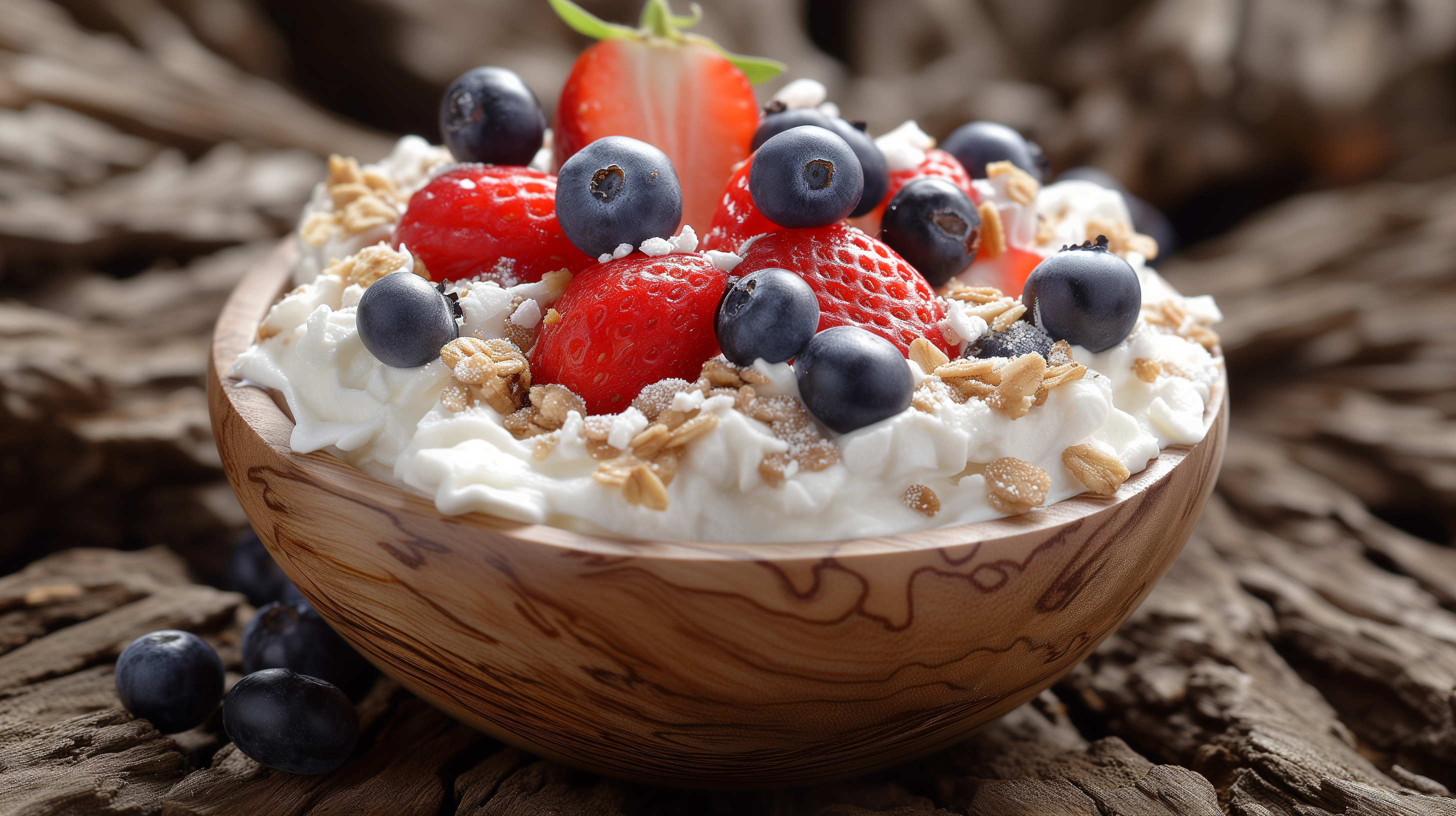
If you're looking for natural ways to support hormone balance, incorporating functional foods into your diet can have a significant impact. Functional foods are those that provide health benefits beyond basic nutrition.
When it comes to hormonal health, the dietary impact of functional foods can be remarkable. Certain functional foods contain compounds that can help regulate hormone balance, reduce inflammation, and support overall endocrine function.
For example, flaxseeds and chia seeds are rich in omega-3 fatty acids, which have been linked to improved hormone production and regulation. Additionally, cruciferous vegetables like broccoli and kale contain indole-3-carbinol, a compound that supports estrogen metabolism, potentially aiding in hormone balance.
Including these functional foods in your daily meals can contribute to a more balanced hormonal profile. Moreover, incorporating functional foods such as fermented dairy products, like yogurt and kefir, can promote gut health, which is intricately linked to hormone regulation.
Nutrient-Dense Diet Essentials
Incorporating a variety of nutrient-dense foods into your daily meals supports hormone balance and overall endocrine function. Following dietary guidelines that emphasize whole, unprocessed foods such as fruits, vegetables, lean proteins, healthy fats, and whole grains can provide essential nutrients for optimal hormone production and regulation.
These foods are rich in vitamins, minerals, antioxidants, and phytonutrients that play crucial roles in supporting the endocrine system. Ensuring adequate nutrient absorption is also vital for hormone balance. Including foods high in vitamin D, magnesium, zinc, and omega-3 fatty acids can aid in the absorption and utilization of key hormones within the body.
Additionally, fiber-rich foods like legumes, nuts, seeds, and vegetables can help regulate blood sugar levels, which is essential for preventing hormonal imbalances. By prioritizing nutrient-dense foods and adhering to dietary recommendations, you can positively impact your hormone health and overall well-being.
Natural Remedies for Hormone Support
Prioritizing natural remedies can further enhance hormone support and contribute to overall endocrine function by incorporating specific foods and lifestyle practices.
Herbal remedies play a vital role in hormone regulation. Adaptogenic herbs such as ashwagandha, rhodiola, and holy basil are known for their ability to help the body adapt to stress and support balanced hormone levels. These herbs can be consumed as supplements or brewed into teas for easy incorporation into your daily routine.

Additionally, flaxseeds and chia seeds are rich in omega-3 fatty acids, which aid in hormone production and may help alleviate symptoms of hormonal imbalances.
Incorporating fermented foods like sauerkraut, kefir, and miso into your diet can also promote hormone balance by supporting gut health. The probiotics found in these foods aid in digestion and nutrient absorption, which are essential for overall hormone function.
Moreover, practicing stress-reducing activities such as yoga, meditation, or deep breathing exercises can have a positive impact on hormone regulation.
Functional Foods for Hormonal Disorders
To address hormonal disorders effectively, include nutrient-dense functional foods in your diet. Hormone regulation is crucial for overall well-being, and functional nutrition can play a significant role in supporting this delicate balance.
Functional foods are natural, whole foods that offer specific health benefits beyond basic nutrition. When it comes to hormonal disorders, incorporating functional foods into your diet can provide essential nutrients and compounds that support the endocrine system and help regulate hormone production.
Certain functional foods are known for their hormone-balancing properties. For example, flaxseeds contain lignans, which have been linked to improved hormone metabolism. Incorporating flaxseeds into your meals can be a simple yet effective way to support hormone regulation.
Additionally, cruciferous vegetables like broccoli, cauliflower, and Brussels sprouts contain compounds that aid in estrogen metabolism, potentially benefiting conditions related to hormonal imbalances.
By focusing on a diet rich in nutrient-dense functional foods, you can proactively support hormone regulation and overall endocrine health.
Making these dietary changes may contribute to improved symptoms and a better sense of well-being. Remember, small adjustments in your diet can lead to significant improvements in hormone balance and overall health.
Supporting the Endocrine System
When it comes to supporting the endocrine system, you can enhance hormonal balance and overall well-being by incorporating nutrient-dense functional foods into your diet.
Endocrine health is crucial for maintaining hormonal regulation, and your dietary choices play a significant role in supporting this system.
Foods such as cruciferous vegetables, flaxseeds, and fatty fish can provide essential nutrients that support the endocrine system.
Cruciferous vegetables like broccoli and Brussels sprouts contain compounds that aid in estrogen metabolism, promoting hormonal balance.
Flaxseeds are rich in omega-3 fatty acids and lignans, which can help modulate estrogen levels.
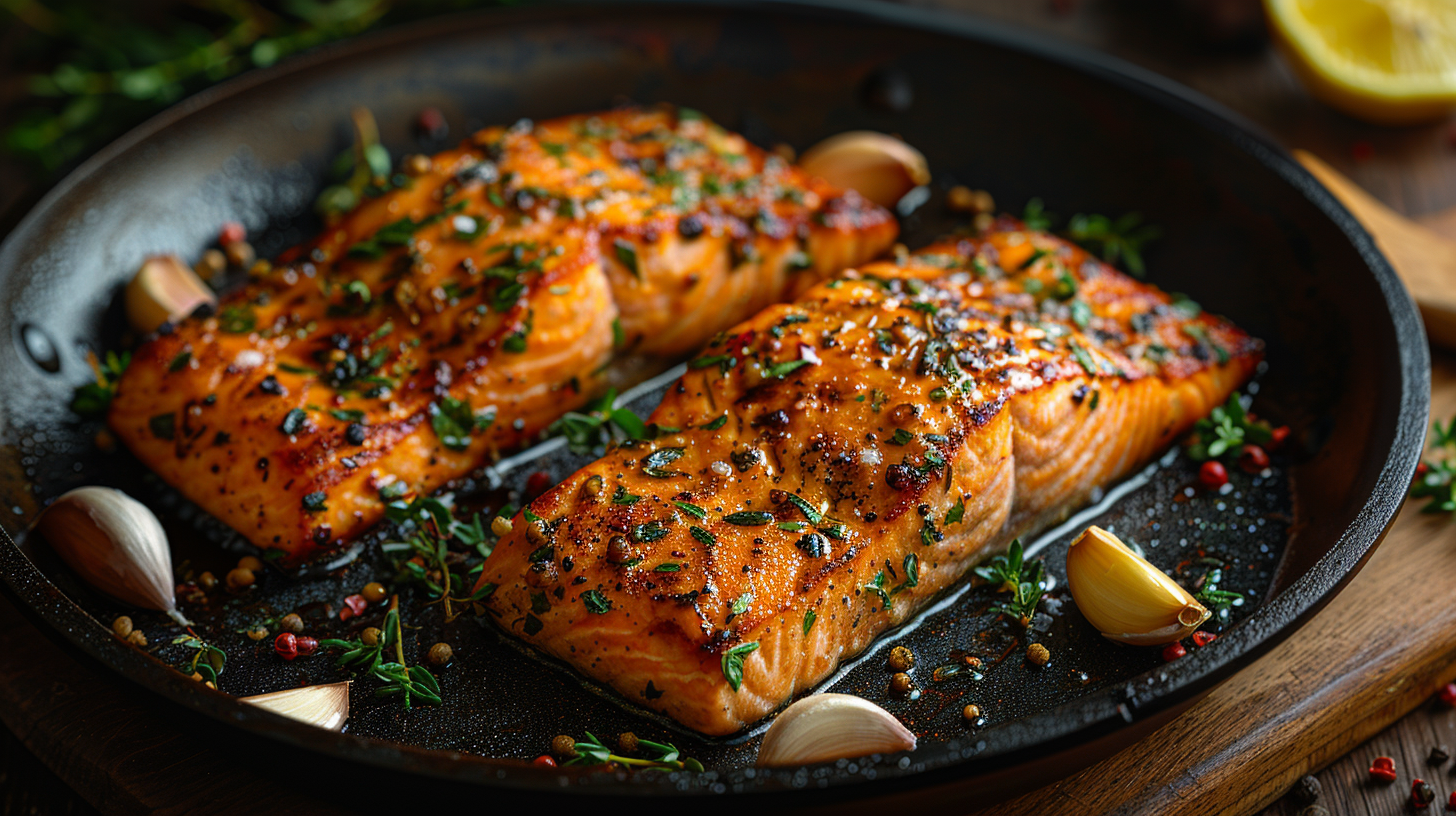
Fatty fish, such as salmon and mackerel, provide omega-3 fatty acids that support the production of hormones and reduce inflammation in the endocrine glands.
Moreover, incorporating nutrient-dense foods like fruits, vegetables, whole grains, and lean proteins can help regulate blood sugar levels, which is vital for endocrine health.
Optimizing Health With Functional Foods
By integrating nutrient-dense functional foods into your diet, you can actively optimize your health and support your endocrine system for optimal hormonal balance and overall well-being. Dietary interventions play a crucial role in hormone regulation, and functional foods can be powerful allies in this pursuit.
Including foods rich in omega-3 fatty acids, such as flaxseeds, chia seeds, and walnuts, can aid in reducing inflammation and supporting hormone production. Additionally, incorporating cruciferous vegetables like broccoli, kale, and Brussels sprouts provides compounds that assist in estrogen metabolism, contributing to hormonal equilibrium.
Furthermore, the consumption of probiotic-rich foods like yogurt, kefir, and sauerkraut can positively influence gut health, which in turn impacts hormone regulation. These foods support the gut microbiome, promoting the elimination of excess hormones and aiding in the synthesis of essential compounds.
Moreover, the inclusion of adaptogenic herbs such as ashwagandha and Rhodiola in your diet can help mitigate the effects of stress on hormone balance.
Frequently Asked Questions
Can Functional Foods Help With Specific Hormonal Disorders Like Polycystic Ovary Syndrome (PCOS) or Thyroid Imbalances?

When it comes to PCOS management and thyroid support, nutrient-rich diets play a crucial role in hormone regulation.
Functional foods, such as leafy greens, lean proteins, and whole grains, have been shown to positively impact specific hormonal disorders.
Incorporating these foods into your diet can help support hormone balance and overall well-being.
It's important to consult with a healthcare professional to develop a personalized plan that suits your individual needs.
Are There Any Potential Side Effects or Interactions With Medications When Incorporating Functional Foods Into a Hormone-Balancing Diet?
When incorporating natural remedies for hormone balance, it's vital to consider potential risks and drug interactions. Surprisingly, a study found that 34% of people experienced adverse effects when combining functional foods with certain medications.
Always consult your healthcare provider to avoid any unwanted drug interactions. Prioritize your health and safety by staying informed about the potential risks and benefits of incorporating functional foods into your hormone-balancing diet.
How Long Does It Typically Take to See Noticeable Improvements in Hormone Balance When Following a Nutrient-Dense Diet and Incorporating Functional Foods?
When you follow a nutrient-dense diet and include functional foods, you may start to notice improvements in hormone balance in a few weeks. Nutrient absorption from these foods can support hormone regulation, leading to positive changes over time.
It's important to be consistent and patient as individual responses may vary. Additionally, consulting with a healthcare professional can provide personalized guidance for your specific needs and help monitor your progress.
Are There Any Specific Functional Foods or Natural Remedies That Are Particularly Beneficial for Menopausal Women Experiencing Hormonal Changes?

Looking to ease menopausal symptoms naturally? Have you tried herbal supplements? Some women find relief with black cohosh, red clover, or evening primrose oil.
Superfoods like flaxseeds, soy, and cruciferous vegetables can help regulate hormones too. Remember, individual responses vary, so it's best to consult a healthcare professional for personalized guidance.
Integrating these functional foods and natural remedies into your diet may support your hormonal balance during this transition.
Can Functional Foods and Natural Remedies Be Used as a Standalone Treatment for Hormonal Imbalances, or Should They Be Combined With Traditional Medical Approaches?
You can use natural remedies as a standalone treatment for hormonal imbalances.
Combining them with traditional medicine can enhance results.
Functional foods can be a primary treatment, but they also work well as a complementary therapy.
It's important to find a balanced approach that suits your needs and preferences.
Consulting with a healthcare professional can help determine the best course of action for restoring hormone balance.
Conclusion
So, can functional foods restore hormone balance?
By incorporating nutrient-dense diets, natural remedies, and functional foods into your lifestyle, you can support your hormonal health and optimize your overall well-being.
Isn't it time you took control of your health and embraced the power of functional foods for a healthier, balanced life?
Statistics
- Functional foods rich in fiber, antioxidants, and omega-3 fatty acids have been linked to improved hormone balance.
- These foods can help nourish the body and support the healthy functioning of various hormonal systems.
- Functional foods can provide the body with essential nutrients that support hormone regulation.
- Incorporating functional foods into your daily routine can be a simple and effective way to restore hormone balance.
- Functional foods have the potential to restore hormone balance.
- Functional foods can support the adrenal glands, which play a crucial role in hormone production.
- Functional foods can complement other lifestyle changes, such as exercise and stress management, in restoring hormone balance.
- Functional foods offer a natural and sustainable solution to hormone imbalance.
- Research suggests that certain functional foods can regulate hormone levels.
- Eating a diet rich in functional foods can promote a healthy endocrine system, which is essential for hormone regulation.
External Links
- Health.com explains how certain foods can affect hormone levels and provides a list of functional foods to consider.
- Healthline provides a list of functional foods that can help restore hormone balance with clear explanations of their mechanisms.
- American Family Physician shares insights on the use of functional foods in primary care settings to improve hormonal health and overall well-being.
- Mindbodygreen highlights essential nutrients found in functional foods that support hormone balancing.
- Nature Reviews Endocrinology features a review article on functional foods and their role in hormone regulation and the potential therapeutic applications.
- Mindbodygreen presents nine hormone-balancing functional foods along with accompanying recipes to help restore hormone balance in a flavorful way.
- Pacific College of Health and Science provides an overview of functional foods to balance hormones and suggests specific dietary strategies for hormonal health.
- Harvard Health Publishing explores the connection between functional foods, mood, and hormone balance, offering insights on their interplay.
- WebMD presents a slideshow featuring functional foods that support hormone balance and offer dietary tips for optimal hormonal health.
- Medical News Today discusses hormone-balancing foods and their effects on the body's endocrine system.
How To
How To Choose Functional Foods for Hormone Balance at the Grocery Store
Choosing functional foods for hormone balance at the grocery store can be simple with a few tips. Start by prioritizing fresh produce, focusing on organic options when possible to reduce exposure to hormone-disrupting pesticides. Look for hormone-balancing fruits and vegetables like berries, broccoli, and leafy greens. Choose high-quality proteins such as grass-fed beef, wild-caught fish, and organic tofu to support hormone synthesis. Opt for whole grains like quinoa or brown rice, which provide fiber and essential nutrients. Include hormone-balancing spices and herbs like turmeric, ginger, and garlic in your cart. Don't forget about healthy fats like avocados, olive oil, and nuts, which are essential for hormone production. Lastly, consider incorporating functional foods like fermented foods, yogurt, and kefir for their probiotic benefits. By choosing these functional foods, you can support hormone balance and enhance your overall well-being.


.jpeg)
.png)


.png)